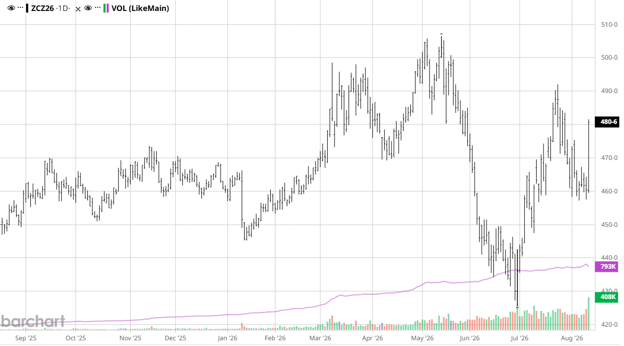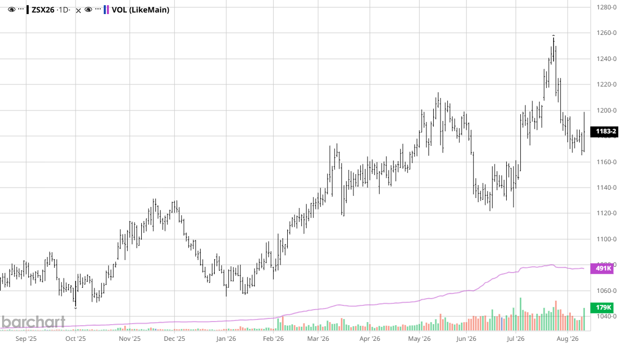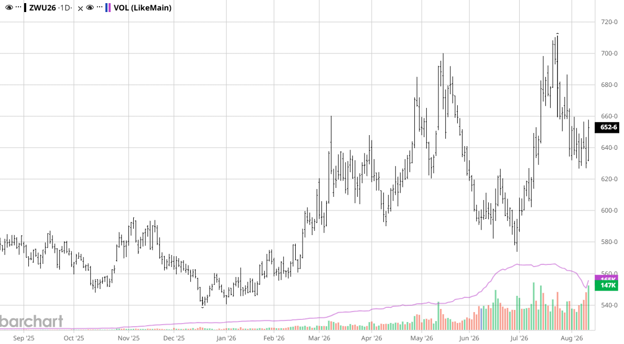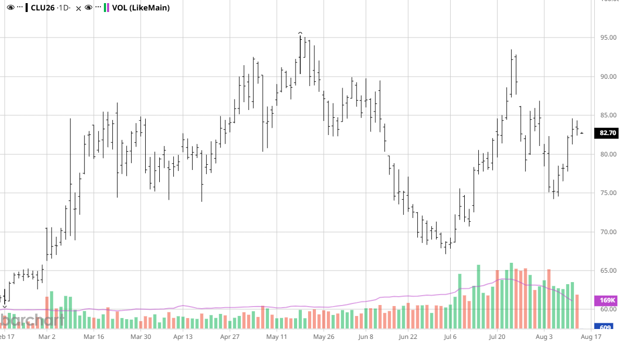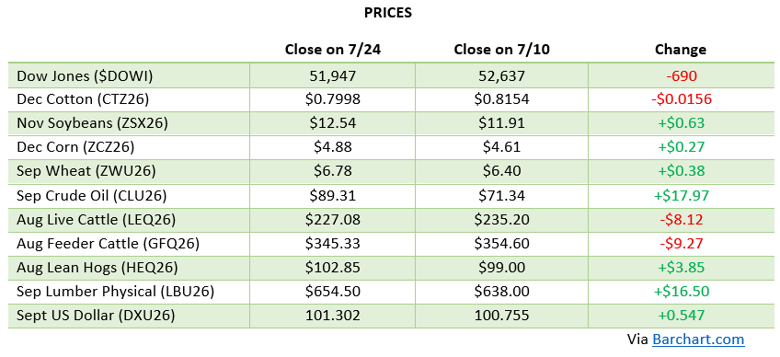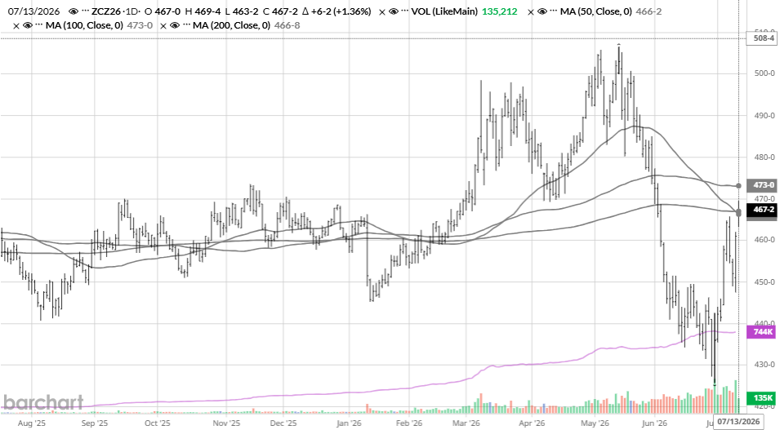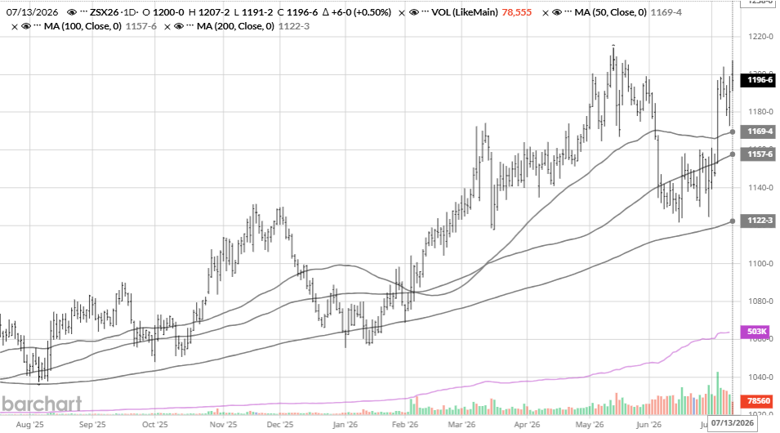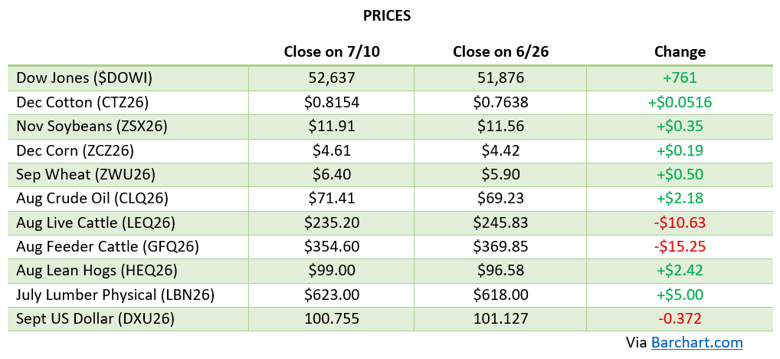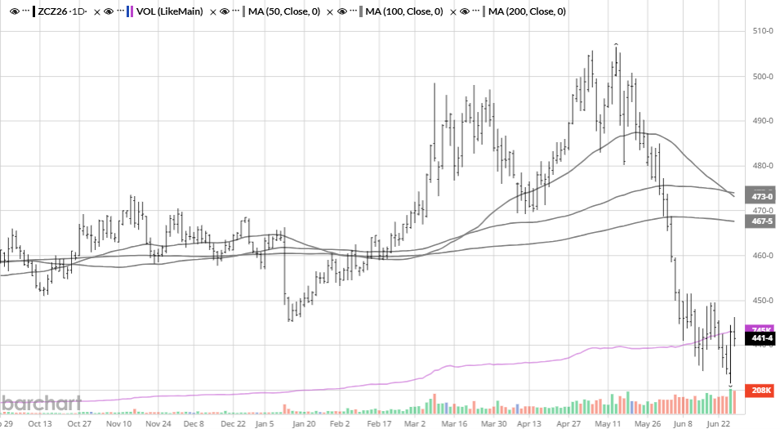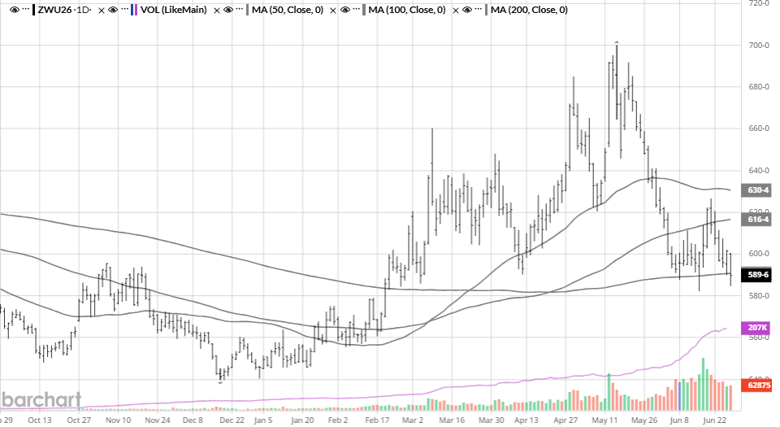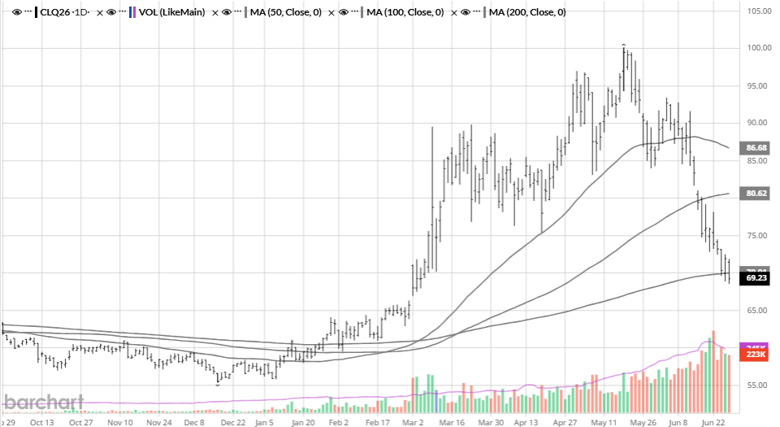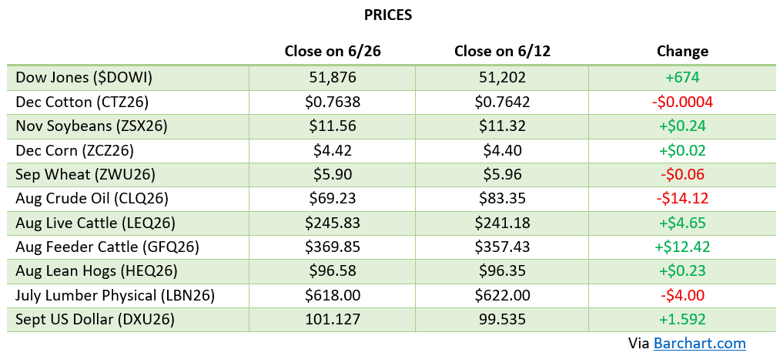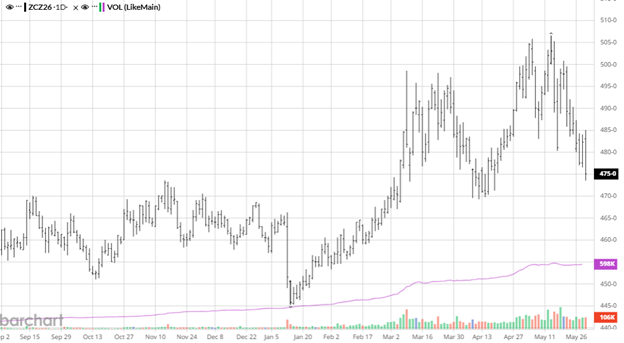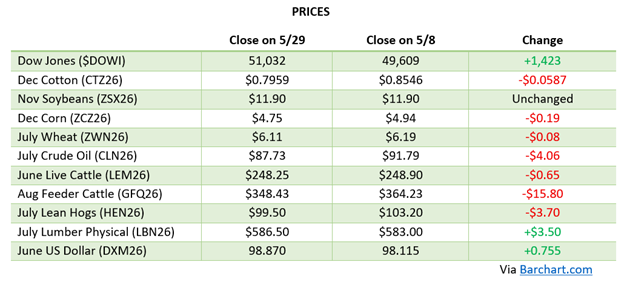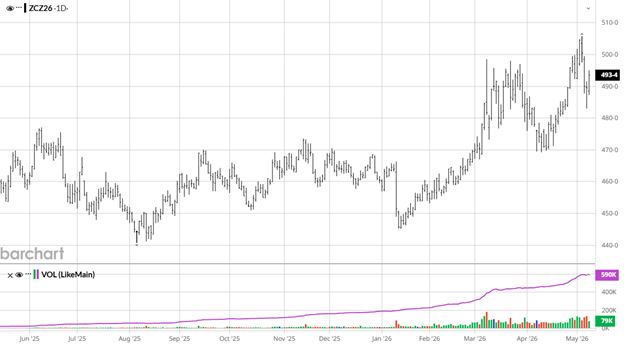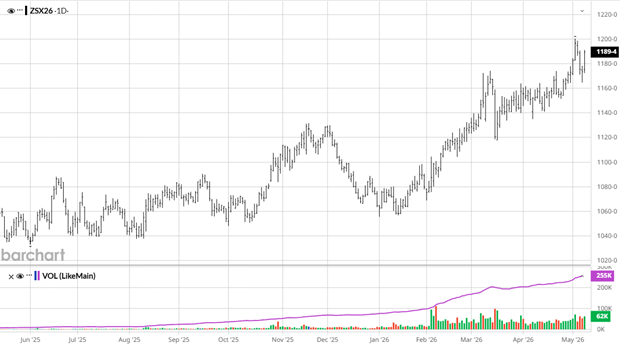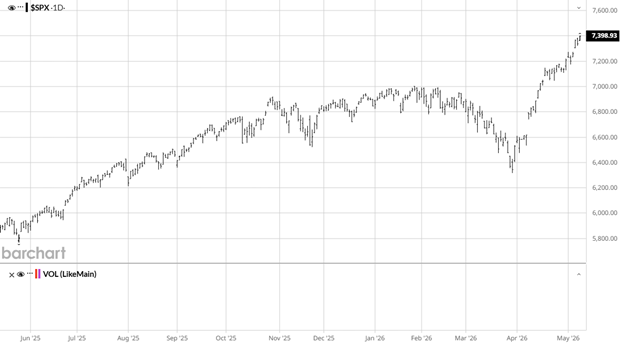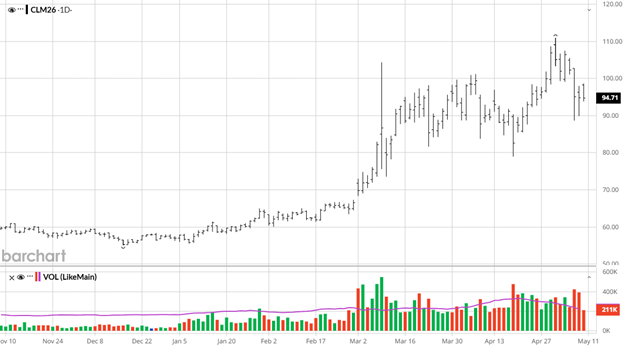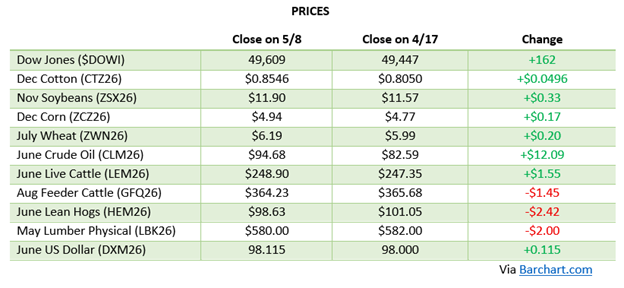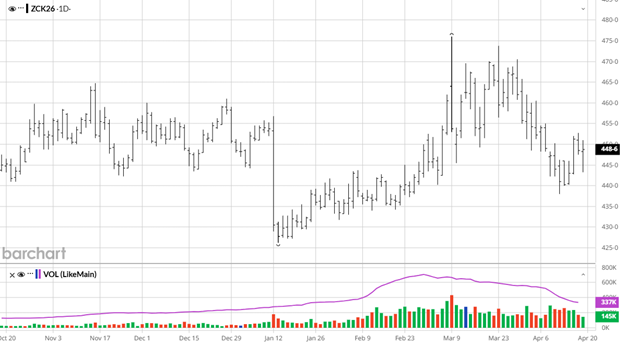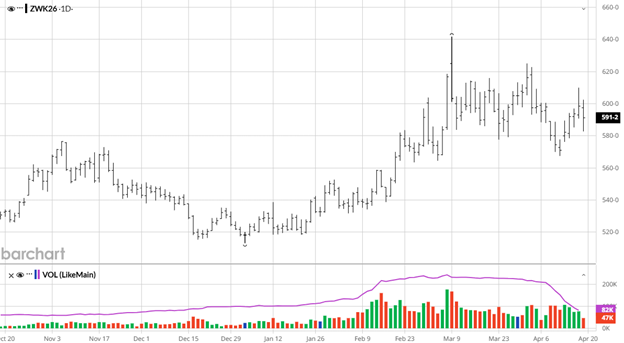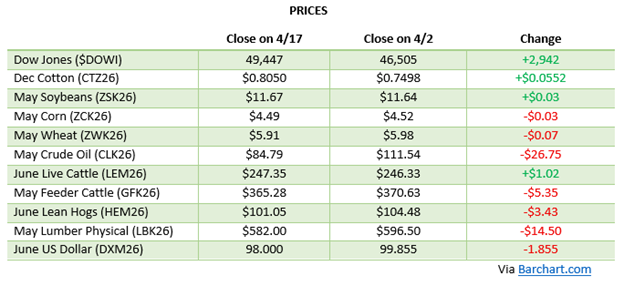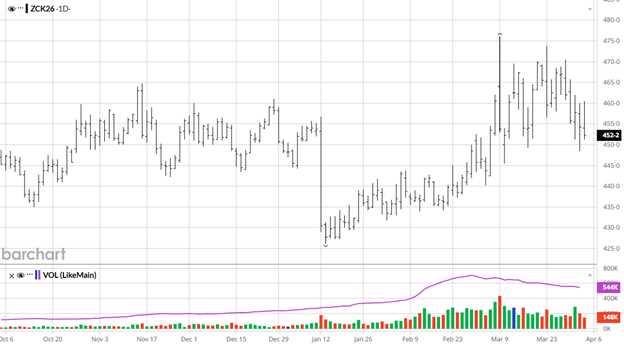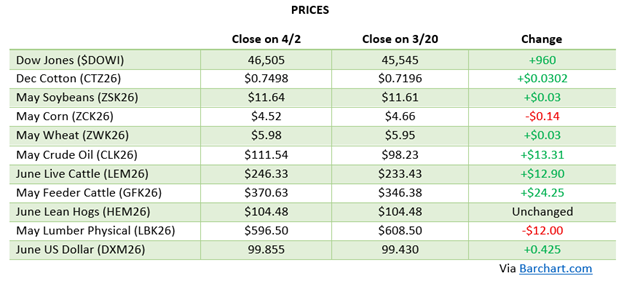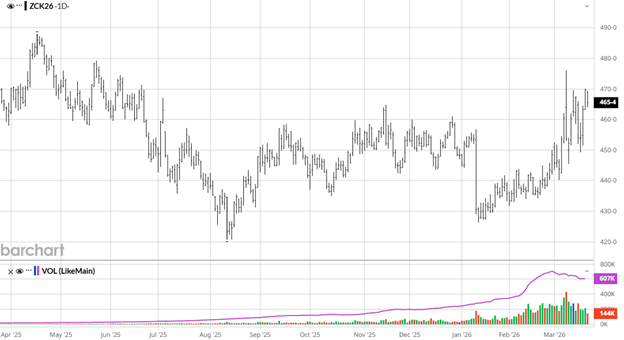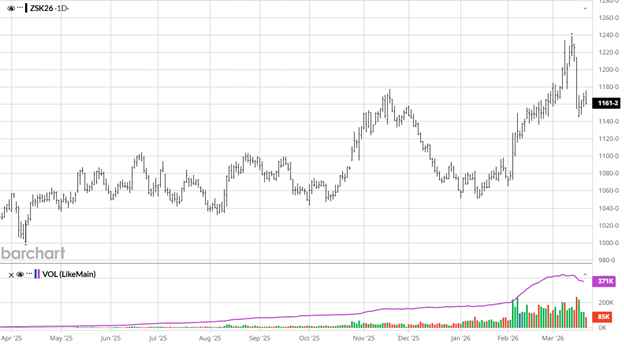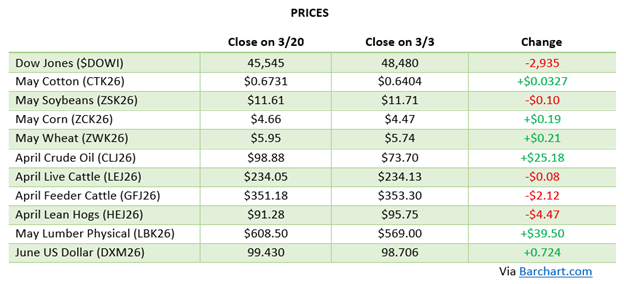


Corn has continued to trade range-bound between $4.10 and $4.30 with a nice recent run to the top of the range. Follow through buying to push towards $4.50 will be needed as harvest heads toward a finish and the large supply coming out of the fields. All crops got a boost after positive news from Secretary Bessent over the weekend saying China will be buying US soybeans (and assume other commodities as well). The market still has downside risk with a large US crop and global economic issues that for now are not flashing major warning signals but the market has been recession warry since the tariffs went into place in April.
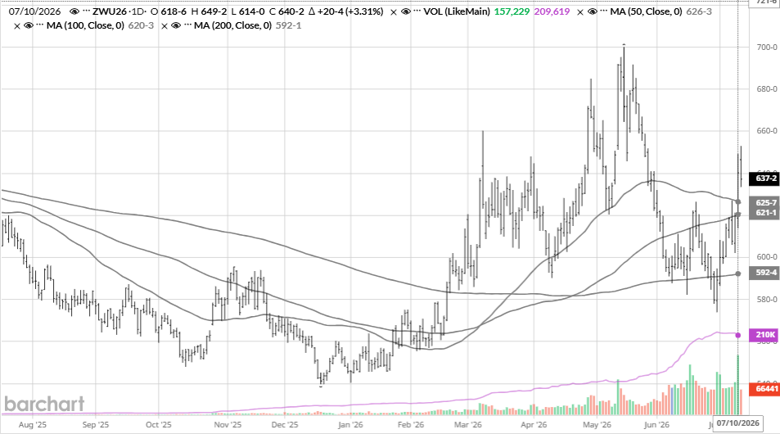
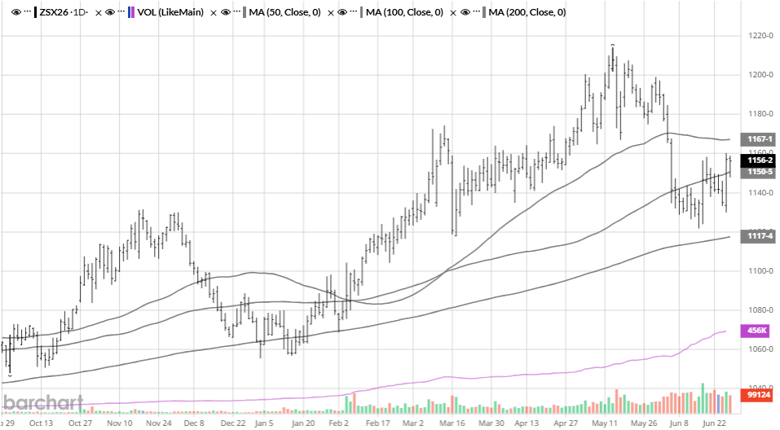
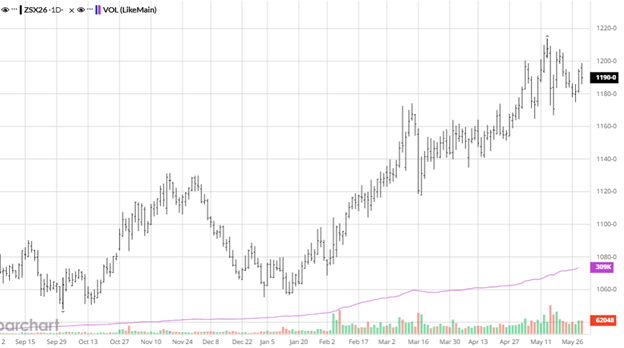
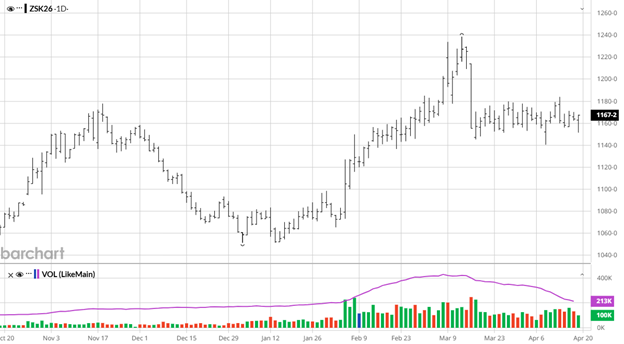
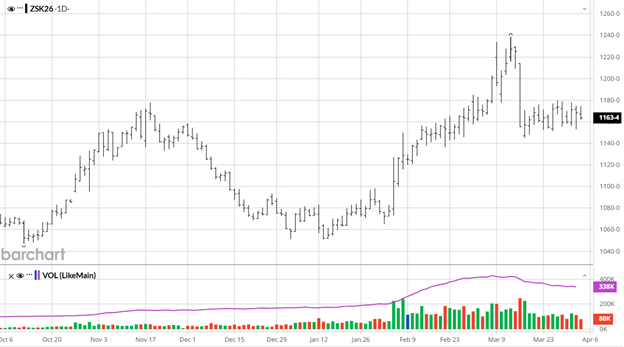
Beans continued their recent rally with positive news on US and China trade relations from Secretary Bessent. We will need to see these soybean purchases from China come to fruition without any more escalations that could put this progress at risk. With the continued Government shutdown the lack of information to trade from the USDA will make private reports the main news.
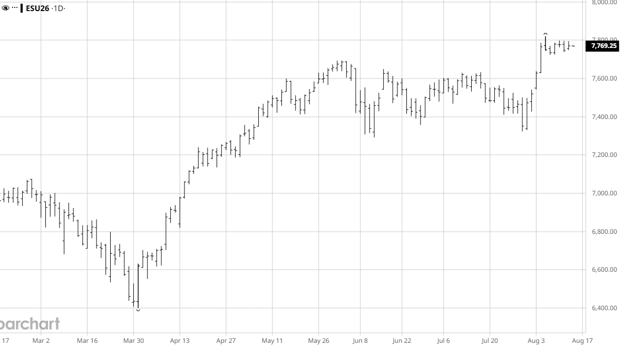
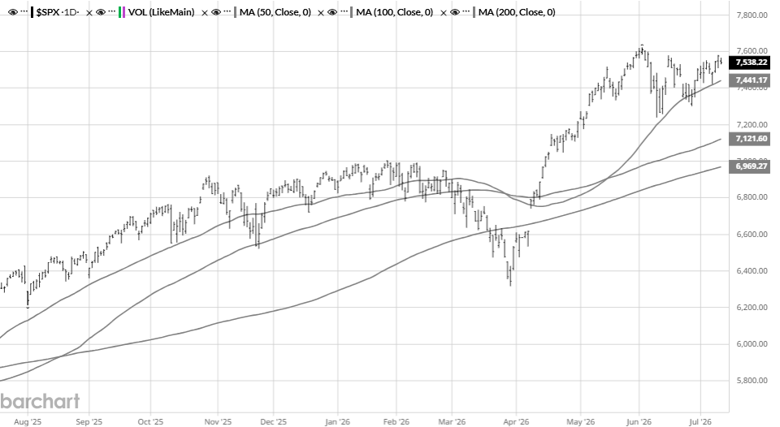
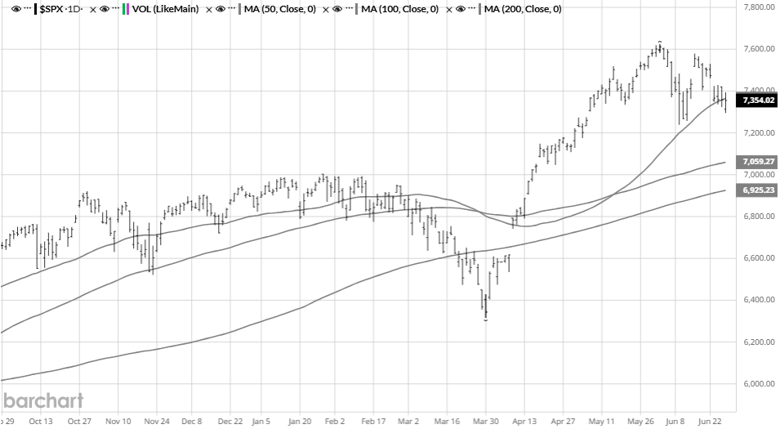
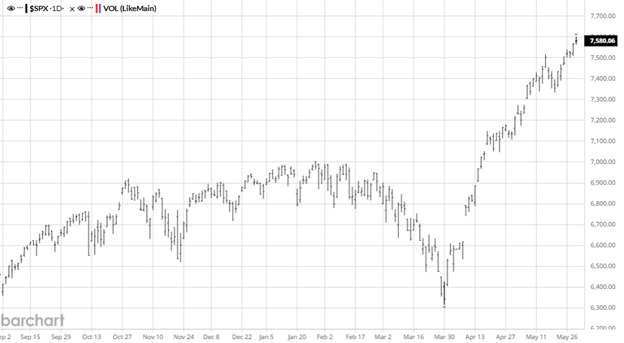
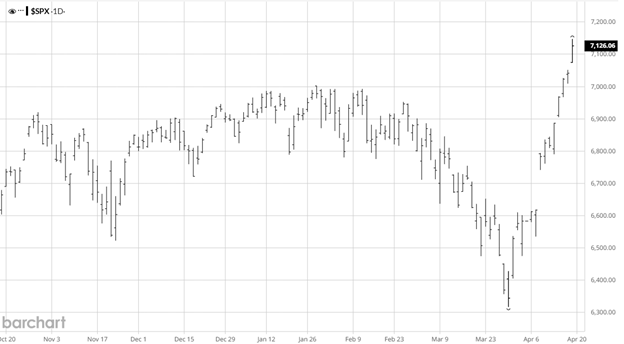
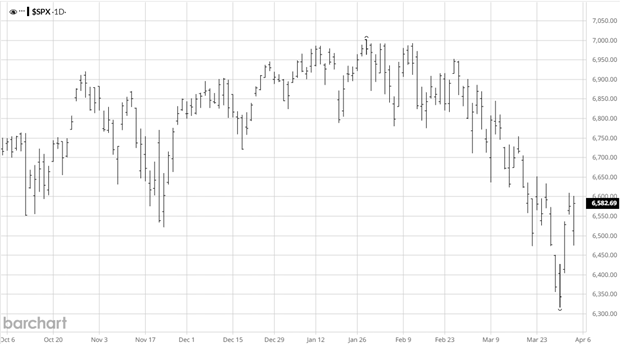
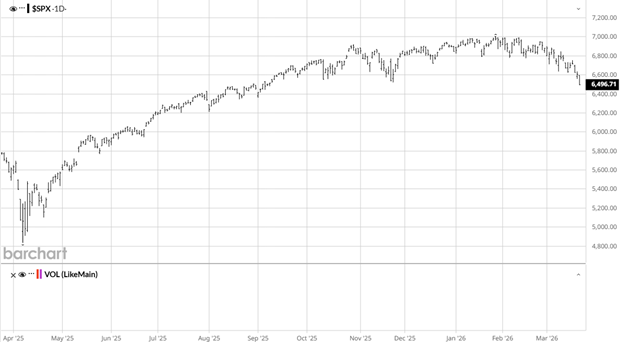
Equity markets continue to move higher after a recent dip as Gold has fallen off its recent highs but equities, lead by AI and tech, continue to climb higher with 2 months left in the year.
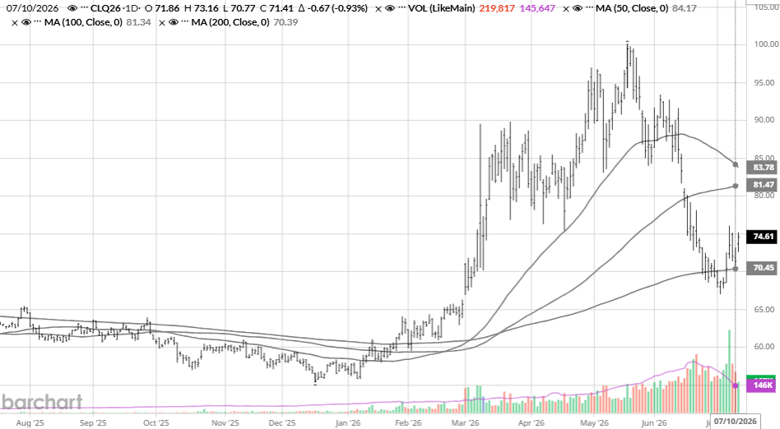
Cattle futures have fallen quickly off record highs as question marks around the USDA and white house about how they want to address high beef prices continue.
Cotton remains quiet with no major news to get it out of the mid 60 cent range.
The government shutdown continues.
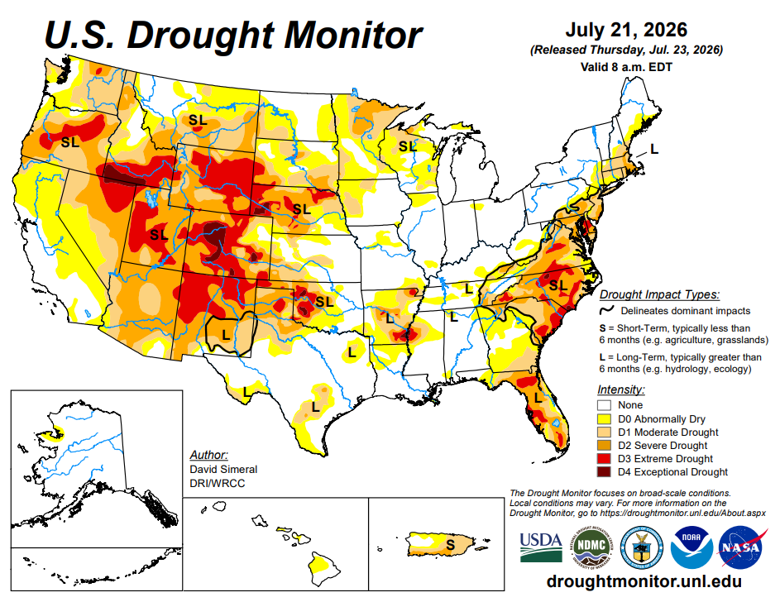
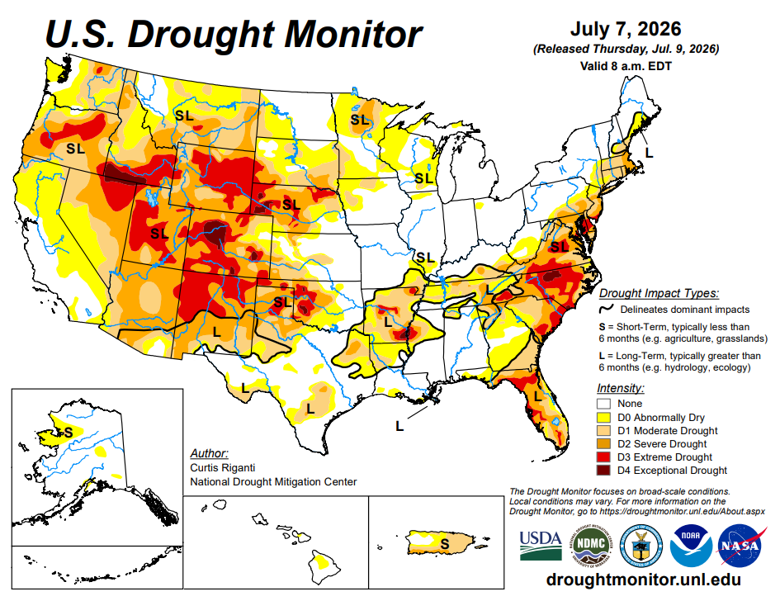
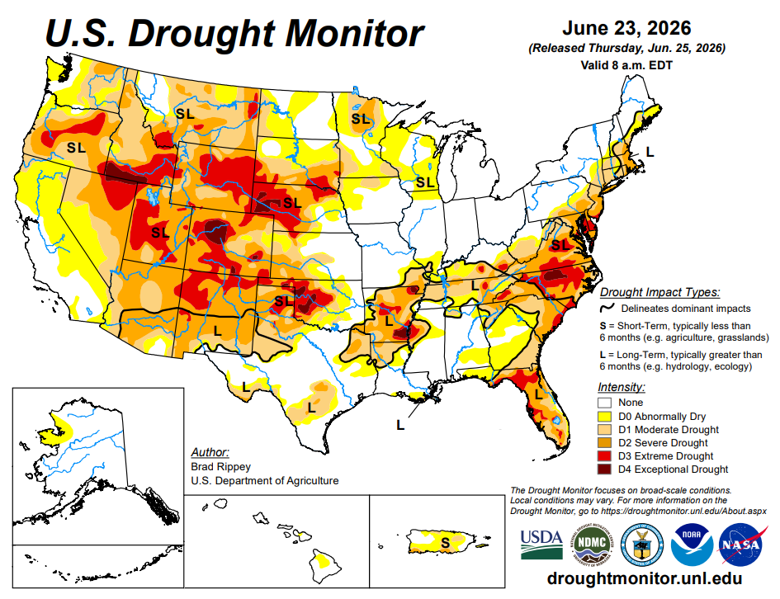
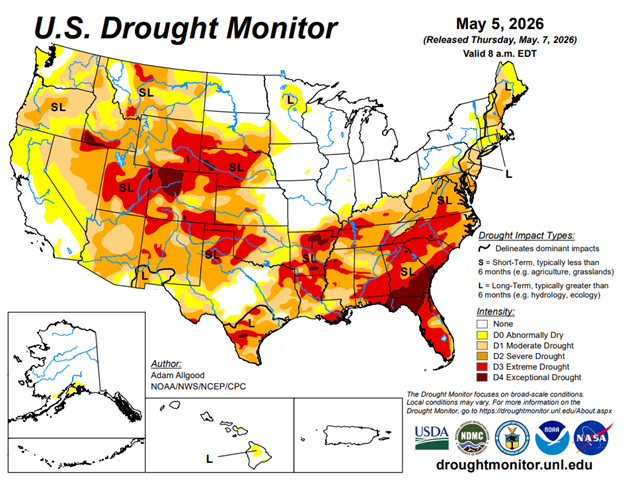
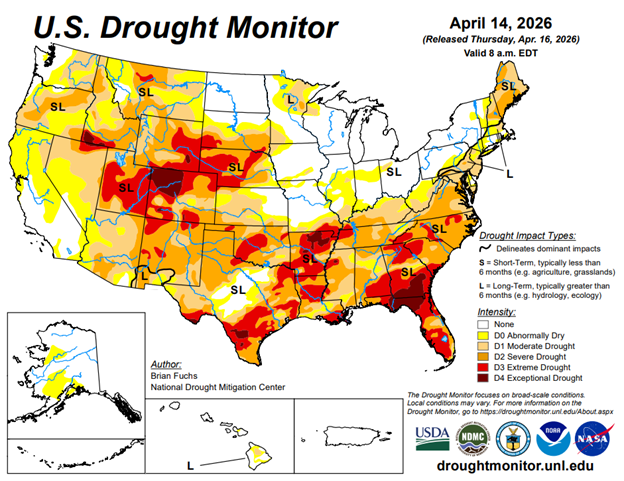
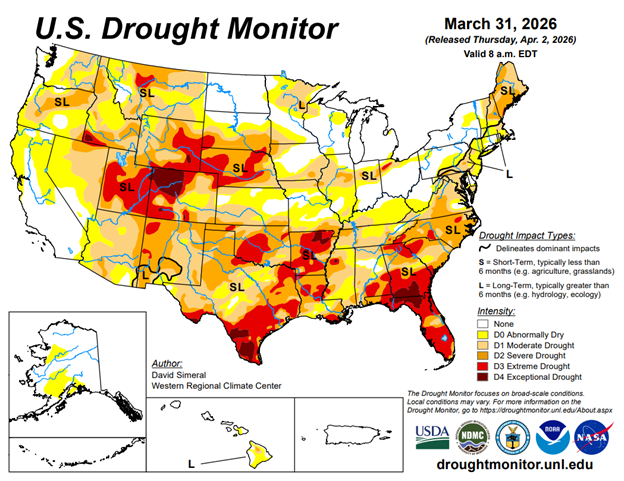
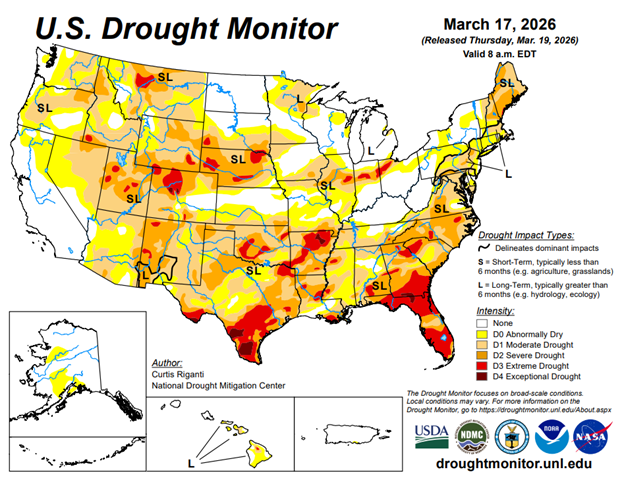
Drought Monitor
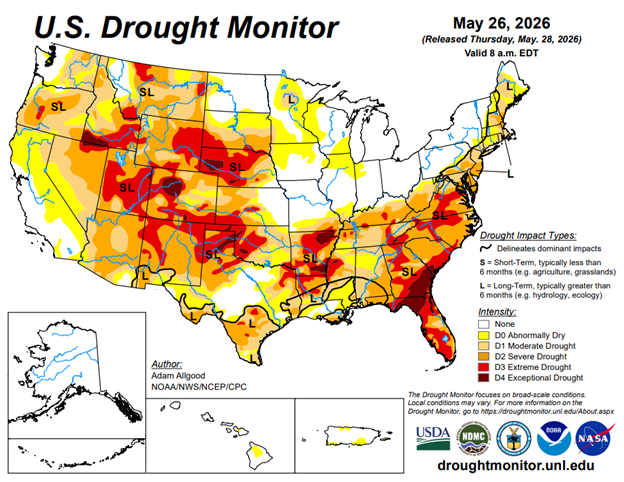
Here is the most recent drought monitor as harvest rolls on.
Contact an Ag Specialist Today
Whether you’re a producer, end-user, commercial operator, RCM AG Services helps protect revenues and control costs through its suite of hedging tools and network of buyers/sellers — Contact Ag Specialist Brady Lawrence today at 312-858-4049 or blawrence@rcmam.com.
Dive into the complex world of agricultural markets with Jeff Eizenberg and Ben Hetzel as they explore current corn and soybean pricing trends, harvest dynamics, and the global fertilizer landscape. Special guest Jon Berglund from Prairie Land AG provides expert insights into international supply chains, trade challenges, and the factors driving fertilizer prices. Learn about the intricate relationships between global politics, agricultural production, and market strategies that impact farmers today.
Check out the complete Transcript from our latest podcast below:
Global Fertilizer Markets: Supply Challenges, Trade Dynamics, and Agricultural Pricing Strategies
Jeff Eizenberg 00:59
Welcome back to The Hedged Edge. I’m your host, Jeff Eisenberg, and I’m here with my co host, Ben Hetzel. Ben, we’re back for Episode Five. The radio’s been good to us. Can’t thank KBJM enough and KNDC for having us. I’ve been new to the radio, but you’re an old golden throat. You had to
Ben Hetzel 01:18
throw that in there. No to be on again. Yeah, I spent a little time on the radio and doing broadcast some sports events and stuff that happened around the area. So it’s, it’s always fun to talk to the airwaves. And, and this is kind of special, because it’s sorted and, and we can, we can actually put the image out there so people can see almost like watching the news anchors on TV. So it’s That’s
Jeff Eizenberg 01:45
right. And boy, did we look good. So the quick update here for today’s episode, for listeners, we’re going to be jumping into an interesting situation that we’ve observed in corn and soybeans. Really the reality that prices this year are exactly the same as last, believe it or not, and even though we’ve got higher supply, the in record in record crops, it’s it’s still an interesting phenomenon. We’re going to dive in a little bit more, into what’s been going on in storage, how basis is looking. And then later on, we’re going to be joined by John Berglund from prairie land AG, where we’re going to deal with a discussion around high input prices, tariffs and the opportunities coming in fertilizer for 2026 so Ben with that. Let’s hop right in. We’ve talked on how harvest is progressing. It seems to be quite strong. What are you seeing out there in terms of grain coming to town and our storage capacity? Are we? Are we filling up
Ben Hetzel 02:53
a lot in our area? It’s it’s still a little early, some of the frozen corn, and then more dry areas are starting to harvest a little bit, so we haven’t really seen harvest kick up too rapidly. The soybeans are definitely off out here, for the most part. Interesting thing to note about soybeans, I heard a little tidbit the other day that the beans aren’t coming to town as fast as they anticipated, so you’re seeing a little basis shift, maybe trying to entice some some beans to still come into the facilities to get shipped out. I think the industry did a nice job of reacting to China not coming in and buying and so we we found some homes, and the idea was that the farmer had nowhere to go with this stuff, so they were just gonna blast it into the pipe and then probably put some serious strain on the system. But in maybe there’s areas that that did happen, but there’s other areas that it seems like they’re they’re needing some some beans to still blow into the facilities to ship out for export, or maybe a processing plant that didn’t fill up as fast as they anticipated. So that’s still remains to be seen finishes, but notably, the basis is doing what it needs to do there, and it should reward the farmers that stored this, this crop of soybeans, to some degree you can see the carries built in, not probably as much on the Crushers as maybe you see in the facilities that have sales on export wise. So a lot to kind of hold and wait and see what goes on there. But I still encourage producers take advantage of carries. Look into the future when the slots make sense for you logistically to move these products, whether it’s meat, soybeans, corn, whatever it is, you know the space. If you have it on the farm and you put it in there, that doesn’t mean it has to stay there. If there’s an opportunity. That a facility near you wants grain, and they’re showing it in their basis. It’s always good to reward basis.
Jeff Eizenberg 05:06
Glad you brought up that basis. And the narrowing a bit, particularly in beans, was talking with the team out in Minnesota earlier this week, and then also got feedback from more of the Midwest that seem quite a bit of narrowing on the river. Maybe there’s a river trade going on where there’s a more flow heading down south to New Orleans. Bases seem to be firm in the cities compared to even the processing plants. It’ll be interesting to see how that all shakes out.
Ben Hetzel 05:40
The other thing that I don’t know what you guys are hearing out further east, but you’re quite a ways on the other side of this. We’re almost both on the fringes, if you think about it, you’re kind of still in the heart of major horn and bean country. But you don’t have to go far east, you, I don’t think, and you get out of it, right?
Jeff Eizenberg 06:00
Oh, yeah, you get over to Pittsburgh, the Ohio, Pennsylvania border, and it’s, it’s out there. The grain is out there, all the way to actually Delaware, if you, if you never made that drive, I was in Delaware State earlier this summer, and couldn’t believe the amount of agriculture that is right there. So it’s all the way out, but it definitely gets more congested and less the heart of it all.
Ben Hetzel 06:26
Yeah, so anyway, depending on where you’re at in the geographies, it grows soybeans, one thing worth noting that I heard as well is the production isn’t quite what they thought it was in a lot of areas.
Jeff Eizenberg 06:43
Oh, yeah, yeah, that’s right. And every day now we’re wondering what the government’s going to put out, because we don’t have any reports with it being shut down, but we’re getting private estimates that are, it’s called ratcheting down the expectations, and seems to be nationwide, but also we’re having to rely on localization of these reports and information flow. And it actually kind of begs the question, if you think about it, do we even need the government reports if we get efficient at reporting from private estimators? But we’ll see that one for AI. Maybe AI will be able to tackle that one for
Ben Hetzel 07:24
I’m sure. I’m sure it will be. I mean, it’s crazy. What you can get out of that. It wouldn’t be long and grok or somebody like that, like, that’s the one that kind of goes off a Twitter, formally, Twitter now x for some of its Intel. So it’s it could be really interesting.
Speaker 1 07:45
If you want to listen back to this episode or find past episodes of The hedged edge, visit kbjm.com or kndc radio.com under Listen Live and podcast options, or either stations free mobile app under podcasts,
Jeff Eizenberg 08:02
so speaking of prices, let’s talk about this historical piece I pulled up. It’s a bit of deja vu where, if I want to just talk on corn for a second, corn prices today are in the range for 25 I’m going to call this a range, being a harvest range, September 1 through today, being more or less a 414, load or 431, high. That’s this year’s harvest range for corn. Let’s we put that as a pin in that. And then we go back one year, 2024, same period, we had a low 386, to high up there in the range of 430 and then one more year back to 2023, to get harvest tipped off at 505, but quickly got back down to 449 so where we sit today versus the past three years? We’re really only talking maybe a 10 or 15 cent difference in the last three years at this time of year. And what I want to talk about is that we have to be aware of the fact that that’s maybe the new norm and the reality that we face. We’re going to have John to tell us about fertilizer prices and how all all that impacts our price. But people continue to hang on to the idea that they need, or have to have $5 corn in order to make money. Well, we’ve talked about it on these this podcast a number of times. Let’s assume that we can’t get $5 what do we do with these ranges? What do we do in relation to how do we take advantage of basis and other opportunities to price this and again, wanted to put this data out there for people to think about.
Ben Hetzel 09:50
Yeah, that’s a very good not only discussion, but fact that, you know, we’re presented with a whole different set of circumstances. This year in this crop, then we work in those to some degree, obviously, with the parapher and big production, whether that ratchets down on corn, you know, that remains to be seen. I think, I think we’ll see that tighten up some. But the the big thing to keep in mind is, because there wasn’t a bean program. We have had a bigger push for exports, particularly off the P and W, but I would say in general, exports out of the US, on wheat and corn. So you you’re probably seeing a wider basis at times here at harvest than what we’ve seen before. But we may not narrow that up as much as we did last year on those two particular drops. Beans are way wide, right? I mean, bean basis is wider than normal, and looks to stay there. It is narrowing some. And you know certain pockets for sure, but you know wheat, at this same time period, last year, we probably started narrowing quite a little bit. We’ve got 40 cents to go to get to where the median basis was through the winter months on wheat and corn, probably 20. So it’ll be interesting to see if that happens. But again, to the your point, we have to realize that we may not see the same thing we seen last year, but there’s ways of taking advantage of carries if they’re out there. So if you do have an opportunity to sell wheat for Jan, Feb, March, getting into those seasonally tighter basis windows with better futures than we have on the front end. There’s ways of taking advantage of that, and we need to leverage those tools. You know, there’s a multitude of them, and we’ve covered a lot of them numerous times on this podcast. And so they’re the key is leverage your your team. We’ve talked about that you’ve got people in your operation that are helping you market grain or procure procuring your grain, whether it’s a processor or an elevator broker, reach out, call us, leverage those tools, and it’ll set you up for success, and probably better than break even, at least. You know, there’s a lot of people wondering how much they’re going to lose on some of these crops, but there’s, there’s been some windows where we could have taken advantage of some profits.
Jeff Eizenberg 12:32
I think, yeah, it’s going to be interesting here as we move forward, how people handle these adverse these adversities. And I think that, like you said, leveraging the team around is going to be important. And speaking of team, we’re going to go ahead and bring John burgland on, John with prairie land. AG, John, are you
Jon Berglund 12:53
with us? Yes. Thanks. Jeff Ben, absolutely.
Jeff Eizenberg 12:57
Thanks for jumping on this afternoon. It’s exciting to have you. We’re getting into the prepay period of time for fertilizer. We’ve run through a gamut of scenarios where people pointing fingers at fertilizer companies for jacking up the prices. And the reality is that it’s nothing new. Inflation is real. It’s here. It’s impacting the agricultural sector, possibly more than others, but there’s ways to take advantage of these market conditions. There’s information that people need in order to be successful. And you know that’s that’s why we have you on here. So we’re excited to hear, hear from you, if you wouldn’t mind, John, give us a quick background. Tell us a bit more about your company, your experience.
Jon Berglund 13:47
Well, I grew up farming and ranching, and from there, did a little stint as a farm manager, and then had a retail career for a while, where I was an agronomist, then a location manager, bounced around there a little bit, and then did wholesale for probably, oh 1515, years or so, wholesale fertilizer trade, and then landed here with prairie land. AG, at prairie land, AG, we, you know, it’s a company that was started little over 30 years ago, based around supporting independent co ops and privately owned retailers and helping them be successful and sustainable in a space where there’s a lot of large national companies helping them compete on a daily basis,
Jeff Eizenberg 14:53
I understand that you’re kind of a co op of co ops. Is that a good way to describe it? Yeah,
Jon Berglund 14:59
Say that, you know, we’re mostly based around crop procurement, but we also help out with crop protection, specialty products, other Nutritionals. Since we’re here for our members, we sometimes help out with things kind of outside our main scope of human resources, solutions, insurance, grower, finance and alternative risk management strategies.
Ben Hetzel 15:31
Well, I’m really excited to have John on here. We’ve got a history that goes way back, even in some some areas that we won’t cover on the podcast, but he and I have some common ground and and I’ve spent some time overseas on some common ground. And so it’s really, really fun to have you on here, John, and I’m, I’m excited to get into this topic today, on on fertilizer, as it relates to trade tariffs and and some of the other things going on in the economy. So really appreciate you taking time to do this today.
Jon Berglund 16:05
Thank you, Ben,
Jeff Eizenberg 16:07
let’s jump in, John, thanks again for joining us. The big question out there people want to know, yeah,
Jon Berglund 16:13
definitely at the end of the day, when you look at the grain economics versus the fertilizer economics, it doesn’t make sense from a demand standpoint. And sometimes we get kind of focused on the demand side, because that’s where most of us are at. But this is a very, very supply driven market right now, and supplies are very tight. There’s a lot of things going on in the world today, or, you know, whether it be domestic politics, World Politics, war tariffs, there’s a lot going on out there.
Jeff Eizenberg 16:51
Yeah, it’s a crazy world, no doubt. And what’s your sense from the farmer’s side is there a ceiling in terms of how much they plan to purchase, in terms of fertilizer and nitrogen in order to support these crops. Boy, I,
Jon Berglund 17:08
I don’t know, Ben, would you want to speak to that one? I’m a little bit more removed from the grower, where I deal mostly with dealers. Yes.
Ben Hetzel 17:18
So 10, in general, they’re the price of fertilizer does kind of cap out at some point, and the farmer just kind of locks up. They’re gonna, everybody’s gonna approach that a little bit different based on how the economies of their farm are, what what crops they’re raising. But you know, traditionally, when when phosphorus gets real high, that’s one that they tend to cut back at times. But it’s also a hard one to cut back, because it can really cripple you for a while. So it’s another interesting discussion that is hard to pin down. We We think every year that the prices are high enough to where farmers are going to back off their nitrogen and and that’s usually the first one that they’ll back away from. But this last year, phosphorus was pretty high, and we thought really struggle to sell the the tonnage that we usually sell here at the co op. What we saw is, is producers stood in there and kind of gambled a little bit that production was going to take care of the price a little bit and and produce their way through it. But there is a point in which they do, and some, some did cut back, and we have seen it, but it’s, I think that’s a harder thing for them to do than than what the industry even realizes that at this stage. I mean, because the farmers are they’re trying to do their absolute best to raise the crop that they need to raise to make the farm profitable. And they know, if they don’t put the fertilizer out there, they they shoot themselves right in the foot out the gate and not, you know, some might skimp on going in right away with it and plan to come back over the top. That’s pretty common. But even then, if they get the rain, they’re going to do it.
Speaker 1 19:17
Want more agricultural market expertise. Listen to full episodes of the hedge edge podcast, wherever you get your podcasts, or visit RCM, ag services.com get the complete market analysis and strategies you need to succeed.
Jeff Eizenberg 19:34
So John, let’s pull back a bit. 30,000 foot view you mentioned supply issues being the number one driver of price against the fertilizer. Can you just give us a sense where is all the fertilizer coming in from? There’s been some discussion that fertilizer has been left off the sanctions list from Russia, that in fact, the US does not sanction for. Fertilizer, and then purchases a large amount, still from Russia, despite the sanctions that we have against them and the pressure we’re putting against other world economies to not utilize or buy their products, can you just speak to the global supply of where we’re getting our fertilizer? Yeah,
Jon Berglund 20:19
global supply on all products has been fairly tight here, with one exception, but even looking here domestically, and even further than domestically, North America, most, not all of the Canadian manufacturers of urea had turnarounds this past year, either summer or fall. Here at the end of October, I think most of those will be back up and running again locally here in North Dakota, the one fertilizer manufacturer we have here also had a turnaround. But across the US, there was a lot of plants on turnaround. You add that to kind of what we’ve seen out of India and China. India has always been a big buyer of urea on the world market. In previous years, they’ve been declining as they build more domestic production. This past year, we’ve seen them back to buy more. Speculated that it’s possible they’re idling some of their older production China. They’re usually on a major, major exporter of urea. They’re usually into the tune of five to five and a half million metric tons of exports a year. This past year, suddenly, without warning, in 2024 they cut back to under 300,000 ton. So that was millions of tons of urea, just off the table worldwide,
Jeff Eizenberg 22:07
you know. And then you start just to the US that was a
Jon Berglund 22:10
global, that was a global, global event for sure, you know. And then you look politics, you know, this past year, we started playing around with tariffs, and there was a lot of uncertainty as to what those were. If you put yourself in the hand, in the shoes of a trader that’s buying urea on the world market, importing it to the US, they’re really, really not going to want to deal in an uncertain environment, you know? It’d be kind of like sitting at a high stakes poker game and having somebody change the rules after your money’s already on the table. There’s not a lot of people that would be excited to sign up for that, you know, and then on top of that, had countervailing duties that are based court judgments on trade practices that levy basically fines against certain countries that have different trade practices than us. Those were put on by the US Justice Department. And then flip side of that, you know, there’s wars all over the world right now, you look at Russia and Ukraine. Russia and Ukraine are both major nitrogen producing countries, you know, and then we got Israel and Hamas. There’s some hope that that’s starting to straighten itself out, but that has multiple repercussions, both through the fact that Israel is a exporter of potash, but also, Israel’s war has been bigger than just the war with Hamas. They’ve also somewhat been at war with Iran. Iran’s proxies. You know, if you look at the Houthi rebels, their main the main thing that is they like to go out and commit acts of terror that shut down the Strait of Hormuz, which disrupts a lot of fertilizer movement.
Jeff Eizenberg 24:32
Sounds to me, John, you need to get a degree in international politics to have your job.
Jon Berglund 24:38
You know, at the end of the day when it’s just simple supply and demand. It’s pretty easy, but when you add the human factor and foreign entities involved, you kind of need a flow chart any given day right now to figure out, figure out what’s going to land where you.
Jeff Eizenberg 25:01
Yeah, it makes sense. And then do you see the shift happening where there’s going to be more production North America? I know Canada is a large supplier that you know we’re not going to have to rely as heavily on some of these foreign nations. Or maybe, are there other resource locations, like Africa, or other places where we can go to source our potash and urea.
Jon Berglund 25:25
So we actually have added a lot of us production. There’s been a lot of production added, especially as fracking came along. It freed up a whole lot of natural gas, which is critical for making urea. So both Canada’s had a lot of brownfield projects where they’ve taken old production and added on to it. Here domestically, we’ve also done some of those add ons, but we’ve also had a few Greenfield add ons as well, to where we have added quite a bit of domestic production. We probably don’t want to be at the place where the market’s high enough to demand more build out here in the US right now, the current break even for an investment to really be worth it on nitrogen, I might be off a little bit on these figures, but I’d say 550, to $600 a ton would probably drive more More Urea build outs. It’s not a short term thing to go into to add more production. How
Jeff Eizenberg 26:47
about storage? We’ve talked about storage with grain. Is storage with these fertilizer products also expanding storage so that we have a larger stocks.
Jon Berglund 27:01
Storage is expensive, so our current supply chain, a lot of the storage ends up being at a local level. You know, Scranton is a good example of that. Not too long ago, Ben and the crew did take on building another barn. I know Phil helped them out a lot with that in the building, but a lot of that’s going to be more local than it is going to be large scale, wholesale and manufacturing.
Ben Hetzel 27:39
You touched on the trade flow issues and some of the supply concern, going back to to the Russia conversation, shed a little light, but I just really want to hit home that we are still buying product out of Russia. We are absolutely and that that product, you know, as far as I know, Canada is not buying directly from Russia, but that product could potentially migrate through the US.
Jon Berglund 28:13
I’m not sure about the migration through the US. I do know that Canada is not directly buying Russian and is a little bit adverse to buying Russian product. There are some points at which product gets commingled, but the US, it’s kind of one of those things that we want to keep under our hats a little bit we haven’t talked about a lot, but right now, Russia’s pretty much the only source that I’m aware of that isn’t tariffed, currently coming into the US for urea and UAM. So a lot of our nitrogen today is coming in from Russia.
Jeff Eizenberg 28:58
Yeah, I’m looking up here using a quick, quick chat GPT search. It does source a reliable Illinois Farm doc, document stating from February that the about 15% of the potash is sourced from Belarus and Russia.
Jon Berglund 29:18
Yeah, they’d be, they’d be a large manufacturer there.
Jeff Eizenberg 29:24
It also goes on to say that there’s quite a bit of additional phosphorus coming in, roughly in 24 could have been as 13 to 14% and so that is significant.
Jon Berglund 29:39
So there are sanctions against the phosphate coming in from Russia, I believe, and due to our proximity to Canada and then being the largest manufacturer of potash, most of our potash is going to come from there. But the market’s the market. No one’s bigger than the market. So when, when we see other people not buying cert potash from certain places, it does influence things as we shuffle the deck on trade flows.
Speaker 1 30:15
If you’re enjoying today’s show, check us out on Facebook. Just search RCM ag services for market updates and tips find us on Facebook today,
Jeff Eizenberg 30:26
shifted gears a little bit, but keeping with the international theme, I had an exciting meeting down in Miami a couple of weeks ago. Met with a large company, Brazilian production influence and global export purchasing programs out of out of Brazil. And the feedback I got was immediate, that Brazil is alive and real. Everything down there is massive. What is your sense in terms of how the technology and the resources that we’ve put together out of the US have found their way offshore down into Brazil to effectively support them to be our biggest competitor.
Jon Berglund 31:10
Would you be talking on the fertilizer site there?
Jeff Eizenberg 31:13
Of course, it applies to all elements of the agricultural chain, seed, machinery, but specifically to fertilizer.
Jon Berglund 31:22
Yes, I would say North America and South America do compete with each other for vessels, barges, so on and so forth. So yes, we are. We are somewhat competing with South America at times, on fertilizer, but the infrastructure within the US is far better. We’re a better place to clear product quickly. New Orleans, Louisiana or Nola is probably one of the quickest ports, as far as being able to offload a vessel and move tons, the infrastructure isn’t as good in South America.
Jeff Eizenberg 32:08
I’m really glad that you mentioned that, John, to be honest with you, it’s a piece I don’t think many people are talking about. They talk about how Brazil and South America are our biggest competitors, but they only are talking about for the demand of the end product, but what you’re talking about is the front end side of that product, which is the fertilizer. And if they’re competing and growing as fast as they have been, there’s no question in my mind that they’re also helping be responsible for the fact that these fertilizer prices are maintaining at higher prices if there’s more global demand, The Economist than me tells me that the prices continue to be higher,
Jon Berglund 32:49
absolutely
Ben Hetzel 32:53
and especially when you tie in their relationship Brazil, particularly to China, it really gets
Jeff Eizenberg 33:00
muddy. Wow, we’re we’re global traders today, guys,
Ben Hetzel 33:04
part of the goal with what we’re doing here is getting people like John on this and talking about real concerns or real factors that affect the price of fertilizer, so that they’re not just hearing it from their agronomist. They’re hearing it from somebody that sees it from a different vantage point, more globally, you know, maybe more macro. But you know, it’s there when they speak and and we take that information and pass it on to the growers. Sometimes it maybe isn’t as well received is, you know, for him to speak on this podcast and tell our growers, you know, these are real concerns, and we can’t control any of this locally. And we we have no control over the flow until it gets into the US in terms of tangible product to Southwest, North Dakota or Ohio, or wherever you’re at and so good insights already you know, on what’s going on out there. And I think you know this conversation could go on longer in terms of, you know, even some of the more regional issues and and in particularly the North Dakota, you know, because we’re so far from Nola, we’re, we’re probably one of the furthest points, obviously, to where that product lands. We do have local product being manufactured regionally too. So there’s a lot of factors to consider on why prices are doing what they’re doing and and I just would would ask you, John, is there anything else that that we maybe didn’t cover that’s more regional that maybe helps shed some light on it’s causing urea not to come down and. Relative to porn, because that’s what the biggest thing every every farmer is looking at, is horn has dropped significantly. We talked about it on the last episode. I believe Jeff that when you factor in inflation, inputs are at the high end of the spectrum, and the price of production for the producer, what they’re getting paid is at the low end of the spectrum. So I just thought maybe John should maybe share some final insights on that piece with with our listeners.
Jon Berglund 35:31
There are definitely some regional issues as well. I mean, for example, a urea plant has to go down every two years on turnaround. And I wouldn’t even say it’s regional. I’d say it’s a North American issue. There’s only so many people that can come in and do the turnarounds. And the reason for the need for the turnaround is when you have that much heat and expand and contract. Within a fertilizer manufacturing plant, you have certain pipes that they measure how much they stretch in feet, not millimeters, centimeters or inches. So you can imagine, with that much expand and contract, you absolutely have to do plant turnarounds end of the day when we had covid hit, a lot of the people that can come in and do those turnarounds and plants were locked out of those plants, it was only the local employees that were allowed in. So we’ve kind of bunched all of our turnarounds in North America into the same time period now, since then, bright side of that looking forward is it looks like by November, we’ll have a lot of the domestic production up and running. Imports are starting to improve as we find a little bit more stability with the tariff issues. Flip side of that is, if we see a lot of uncertainty with tariff issues come back, we could could see that instability again. So there’s a little bit of a ray of hope there. The other thing that I see as a ray of hope is potash has made the critical minerals list. That gets it around a lot of tariffs, and, you know, paves the way for other nutrients. We’re already starting to work on phosphates with that. The other thing I see is, you know, I’ve always heard the saying The cure for high prices is high prices. You know, you look at this grain versus fertilizer thing, it’s out of whack. You know, it never stays that way for too long. I don’t know anything is going to happen here, but just speculating, you know, throwing, you know, a couple ideas out there, when you look at crop prices low, and you look at fertilizer prices high, and you look at where cattle prices are at, right now, we’ve been on a long trend of taking pasture out of pasture And turning it into crop ground. Does that trend reverse? Do we start seeding more pasture with the high price of cattle? I don’t know. Or do we have, you know, maybe more of the crops that are grown for feed versus world grain? I don’t know, but those are some things that I could possibly see happening that would, you know, help correct the relationship that we have right now between low grain and high fertilizer prices.
Jeff Eizenberg 38:54
Well, John from from your mouth to God’s ears, everybody would like to see some lower prices. That’s for sure, on the fertilizer front, but that’s going to be for the market to decide. And I think that you know, as we wrap up here today, the The important thing is to continue to work with your with your seed and chemical companies, to work with your local co ops, to think about what’s coming what’s going to be the next, what the next what the next crop is going to be, what’s going to cost you to manage that crop, what’s going to cost you to handle the inputs and how you can take advantage of forward pricing through prepay, utilizing the co ops and their resources. And we thank you for coming on here today to discuss all of that. And we also thank our listeners. We thank everybody who’s given us great feedback and engaged with us personally in person or over the phone or with text since we came on the air five, six weeks ago. Those. Of you who have connected with us on Facebook and Twitter, you can find us RCM, ag services on both Facebook and Twitter. You can also call us. We’ve got an 800 number available to hear what’s going on with you, how your harvest is coming along, what prices are looking like on your end, how basis looks in your area. You can call us at 88887521108888752110,
Jeff Eizenberg 40:28
or stop in talk to Ben over there, at Scranton, at the at the equity, and we’ll see you guys on the next the next time. Thanks, Jeff.
Corn continued to move higher off last month’s lows following the September USDA Report. Most of the numbers came in along estimates but they increased planted acreage 1.4 million acres. This brings the US corn crop to 98.7 million acres, a new record. With about 90 million acres expected to be harvested, we will harvest 7 million more acres this year than in 2024, which equates to about 2 billion bushels larger crop than last year. Despite the added acreage corn bounced post report as weather issues, a dry finish, and disease pressure have caused speculation on the real size of this crop. As harvest gets rolling we will learn more about this crop.
The USDA Report did not have any surprises for beans as most numbers were close to estimates, but the report could be viewed as slightly bearish. To get beans moving higher, China needs to show up as a buyer and trade talks with China need to make progress. China and the US are reportedly close to a deal over Tik Tok which can hopefully build some momentum for progress between the two countries. The size of the soybean crop, like corn, has been hurt by lack of rains down the home stretch but with the solid start the end result is still in question as harvest rolls.
Equity markets continue to make new highs with the Federal Reserve expected to start cuts this month. With the downward revision of 911,000 jobs from March ‘24 to March ’25 the labor market weakness gives the Fed some ammunition to lower rates with unemployment being one of their mandates.
Secretary Rollins is in the process of looking into payments to farmers for this year with the low prices.
The wheat numbers were actually a bit supportive but lower world cash prices (Black Sea mainly) continue to plague prices. Wheat will remain an anchor for any potential corn rally as more wheat will be swapped in for corn in feed. Prices are back testing the 5 ½ year Covid lows.
Drought Monitor
Here is the most recent drought monitor as harvest begins.
Contact an Ag Specialist Today
Whether you’re a producer, end-user, commercial operator, RCM AG Services helps protect revenues and control costs through its suite of hedging tools and network of buyers/sellers — Contact Ag Specialist Brady Lawrence today at 312-858-4049 or blawrence@rcmam.com.
Corn has rallied off the post USDA report lows with a large up day on Friday to end the week. Pro Farmer Tour wrapped up their crop tour and has an average US corn yield of 182.7 bu/ac which would still be a record on top of the added acreage, but well below the 188.8 the USDA came out with. The two sides from the USDA’s report is that they likely won’t come out with a higher yield again with some small weather issues developing, but if they keep it high and make another big correction in January saying the crop wasn’t as big as they thought it could cost the farm community billions. The weather has cooled off for much of the country but the lack of rain for extended periods may be a problem in the home stretch.
The Pro Farmer Tour found a bean crop more along the lines of what the USDA had coming in with a 53 bu/ac estimate vs the USDA’s 53.6 bu/ac. Beans biggest problem right now has been lack of rain for pod fill but a few well timed rains down the stretch could lead to a massive crop. China really needs to show up as a buyer for beans to leg higher but they can get all they want from South America right now even though they are paying a premium to get them vs US beans. The funds have a neutral position on the market as they wait for news that could send the market any direction other outside of the $10 – $10.50 range it has been trading in the majority of the last 6 months. China still remains a cloud over the market with the Trump administration needing to get Ag purchase commitments whenever they work out a trade deal in the coming months.
Equity markets continue to claw higher amidst pullbacks as earnings wrap up and AI and tech still drive the market direction. The Fed is expected to cut rates in September while the Trump administration’s attack on the Fed’s independence continues with Lisa Cook in its crosshairs currently.
ADM plans to close a soy protein plant in Bushnell, IL.
Brazil’s investigation into the Soy Moratorium (curbs Amazon deforestation) could threaten sustainable soy sourcing, with potential ripple effects in the global supply chain.
Wheat has been relatively flat the last couple weeks.
Cotton continues to trade sideways waiting on demand to pick up.
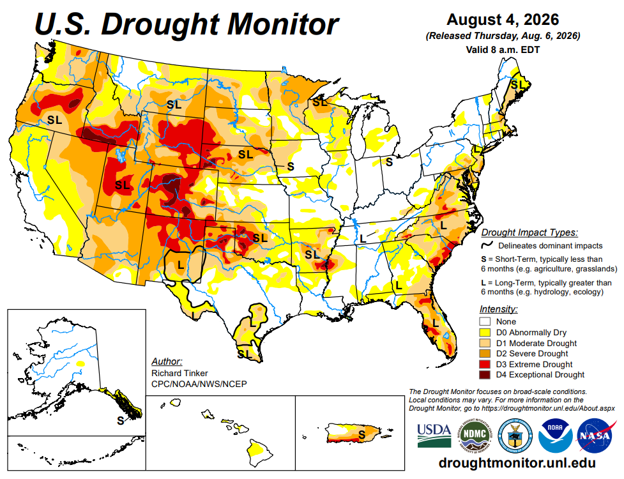
Drought Monitor
Here is the most recent drought monitor.
Contact an Ag Specialist Today
Whether you’re a producer, end-user, commercial operator, RCM AG Services helps protect revenues and control costs through its suite of hedging tools and network of buyers/sellers — Contact Ag Specialist Brady Lawrence today at 312-858-4049 or blawrence@rcmam.com.
188.8 bu/acre… Hard to find a silver lining in the report for corn as the USDA ripped the band-aid off from the start instead of slow playing it. The average trade guess was 184-185 bu/ac which led to a big selloff seeing new contract lows. On top of the big yield number the USDA took the FSA planted acreage data and added 3 million acres in planted corn. The extra yield and acres could add nearly an extra 1 billion bushels of corn to the US and world ending stocks. The report did nothing to help the direction corn has been trading.
The bean yield was also above pre-report estimates, coming in at 53.6 bu/acre. Prices were higher though following the 3 million acre planted acreage cut and total production cut by 90 million bushels. The market was caught off guard by the 3 million acre shift as evidenced in the opposite price reaction to the report numbers. The bean rally will give farmers a chance to catch up on sales but it will also motivate more acres to be planted in South America on stronger prices.
Equity markets continued to perform well as AI and tech companies are still the major movers. Nvidia and Microsoft are now a combined 15+% of the S&P 500 index, causing some to worry about concentration, but luckily they are performing well so right now a rising tide raises all boats (money in S&P ETFs).
Wheat was in line with re-report estimates and had no major surprises. The weakness in corn will continue to weigh on wheat however.
Cotton saw a boost post report after the USDA lowered planted and harvested acres. Production was trimmed by 1.39 million bales to 13.21 million bales.
Drought Monitor
Here is the most recent drought monitor.
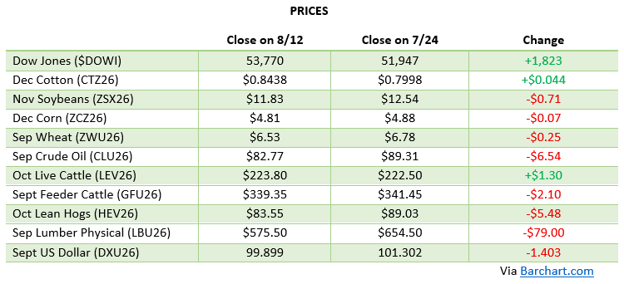
Contact an Ag Specialist Today
Whether you’re a producer, end-user, commercial operator, RCM AG Services helps protect revenues and control costs through its suite of hedging tools and network of buyers/sellers — Contact Ag Specialist Brady Lawrence today at 312-858-4049 or blawrence@rcmam.com.

Corn prices have drifted lower since Mid-July with no major weather issues and no major trade deal news. The corn crop ratings remain strong with about 73% of the US crop rated good/excellent and slking and dough formation ahead of average. Exports have slowed and funds have kept their short position about even last week. With the recent heat dissipating giving way to a cooler week, this crop has not been made yet but has not faced any prolonged growth challenges which continues to fuel the estimates into the 184-185 bu/acre. While this will be an impressive crop, from talking to growers across the country there are trouble spots due to disease and timing of rains which would help us get back to the low 180s which would give the market a bump. The market has been limping lower and will likely continue until something in the news cycle changes.
Soybeans have struggled lately as there has not been any news to boost the market. Exports this week were better but until China shows up as a buyer the demand for US beans is struggling on the global market. South America had a strong crop giving China more supply to buy so China may not show up until they have to unless prices fall enough to make them step in. Crop ratings remain strong, but the next month of rain will be important for pod filling and to get the crop across the finish line.
Equity markets continued to reach new highs before a sizeable pullback to end last week with the news of Trump firing the head of the BLS. AI and tech names continue to lead the way. Magnificent 7 stocks have had mixed reactions to earnings but nobody is sounding the alarm yet about tariffs as guidance remains steady.
Wheat has limped lower with corn and beans but saw good exports this week amid Ukraine’s sluggish exports.
The USD has strengthened in the last week but is still well below its year high. Historically this would have been supportive of agriculture exports but there are other factors in play this year.
The August WASDE report should provide some clarity and at least provide some new news for the market to digest and trade on for a bit.
Drought Monitor
Here is the most recent drought monitor.
Contact an Ag Specialist Today
Whether you’re a producer, end-user, commercial operator, RCM AG Services helps protect revenues and control costs through its suite of hedging tools and network of buyers/sellers — Contact Ag Specialist Brady Lawrence today at 312-858-4049 or blawrence@rcmam.com.
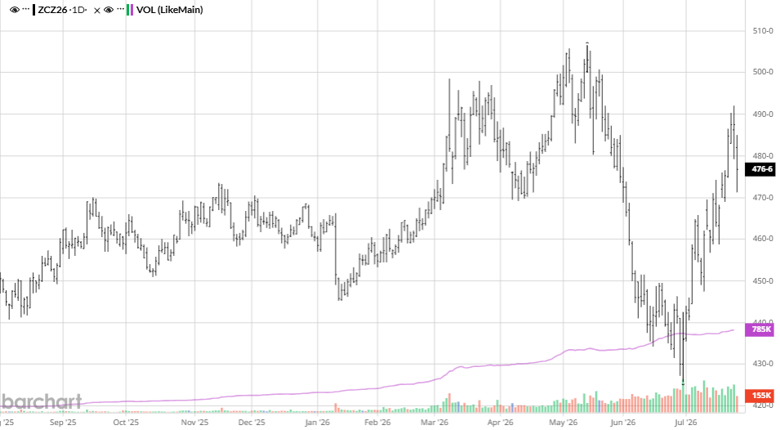
Corn continues to struggle but saw a solid bounce this week after hitting new contract lows. U.S. weather has largely been non-threatening, with most areas benefiting from favorable summer conditions—though pockets of stress remain, particularly in the Southern Plains and Southwestern Corn Belt, where upcoming heat could pose challenges. In South America, Brazil’s main corn crop is estimated to be over 10% larger than last year’s. With strong production expected from both the U.S. and Brazil, the global supply glut remains a key headwind, continuing to weigh on prices over the past few months. The corn crop had a G/E rating of 74% to start the week.
Soybeans, like corn, had a solid week following a recent dip. Prices have held relatively steady, trading in the $10–$11 range. Favorable U.S. weather has supported early crop development, but late-July heat could pressure some of the later-planted areas. Globally, Brazil remains on pace for a record soybean crop, while Argentina is facing some production challenges and policy-related uncertainty that has slowed farmer sales. November soybean futures ended the week just above all major moving averages (20, 50, 100, and 200-day), setting the stage for a key technical test as we head into next week. Beans had a G/E rating of 70%, better than expected.
Equity markets continue to push higher, setting new records as the AI trade returns to the spotlight ahead of earnings season. Meanwhile, the Trump White House is adding volatility, with markets reacting to shifting headlines around the future of Fed Chair Jerome Powell. While Powell’s position appears secure for now—at least through the next eight months—any change could rattle markets, as evidenced by the sharp reaction to a recent false report.
The last two USDA reports lacked surprises, good or bad, which has created a trade focused on weather.
The USD weakness continues as it holds around 98, off the recent lows of 96 and well below the recent highs around 108.
Drought Monitor
Here is the most recent drought monitor.
Contact an Ag Specialist Today
Whether you’re a producer, end-user, commercial operator, RCM AG Services helps protect revenues and control costs through its suite of hedging tools and network of buyers/sellers — Contact Ag Specialist Brady Lawrence today at 312-858-4049 or blawrence@rcmam.com.
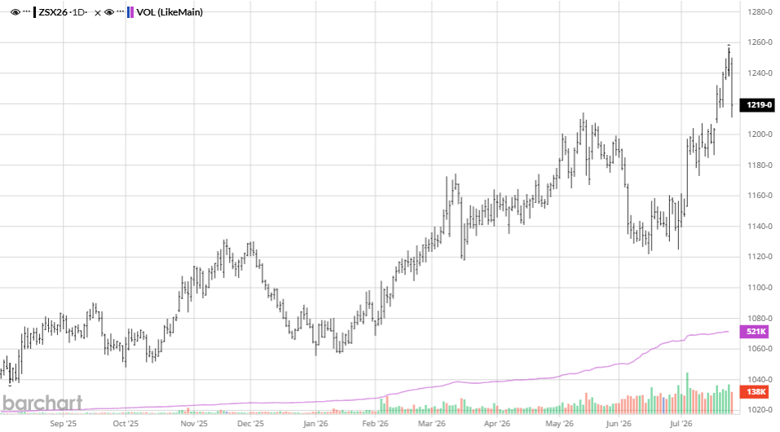
Last week was rough for commodities as corn dropped to make new contract lows in Dec ’25. The charts do not look good for corn and there is no good news to help either. There are no major weather concerns and South America is producing another record crop allowing for ample ending stocks in the world. The USDA June 30th Planted Acreage Report stated that corn has 95.203 million planted acres. This number is neutral to bearish as the market was expecting a slightly higher number but anything 95+ with the weather to this point in the year looks for a huge crop. The bears have the momentum right now but there are some trouble areas and a long summer ahead to bring the bulls some help.
Soybeans gave back the recent gains as well last week before the report on June 30th. Beans will likely continue to trade in the range they have been until we receive news to direct the market either on the trade agreement side or weather. The Planted Acres report had 83.38 million acres, slightly below expectations. The tax bill going through congress right now may give beans some help by getting rid of a 45z tax credit loophole but until this thing passes everything is on the table to get cut from it. Weather is good for the next 2 weeks so the market needs positive news from a US and China trade deal to give it a boost.
Markets set new highs after another V shape recovery following the liberation day tariff dip. Several tech stocks have led the way outside of the Magnificent 7 as AI continues to dominate headlines with spending continuing and companies talking about how it can help improve their margins.
Cotton acres came in higher than expected at 10.12 million acres. Cotton has been stuck below 70 cents/lb for a while and while the acreage number came in higher than expected we know there are issues with the crop and a lot of abandonment.
Wheat, like corn and beans, yawned at the report as the numbers were close to the average estimate with no major changes. After a mid June rally, the weakness to end the month was disappointing dropping 50 cents from the highs.
The weakness in the USD over the past few months will be something to keep an eye on as the year continues with it trading at levels we have not seen since early 2022.
Tensions in the Middle East continue despite a drawdown in aggression.
Drought Monitor
Here is the most recent drought monitor.
Contact an Ag Specialist Today
Whether you’re a producer, end-user, commercial operator, RCM AG Services helps protect revenues and control costs through its suite of hedging tools and network of buyers/sellers — Contact Ag Specialist Brady Lawrence today at 312-858-4049 or blawrence@rcmam.com.
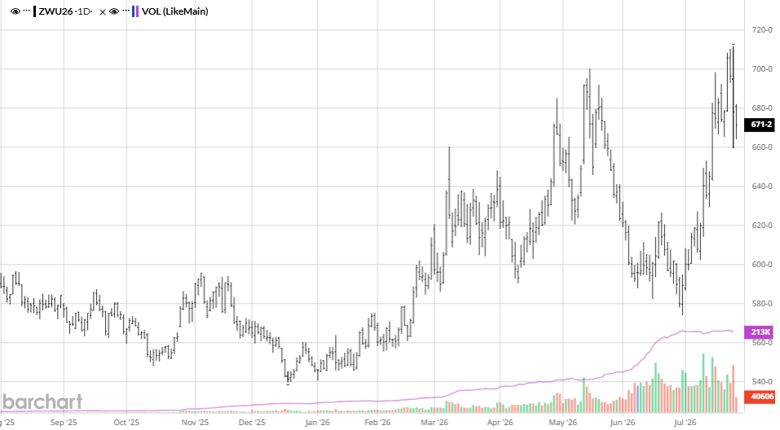
Corn continues to struggle with any rallies as you can see in the chart below every recent high is lower than the previous. The June 12th USDA report was lackluster with no real changes and not enough good news to give the bulls help. With the crop planted, 75% good/excellent, and non-threatening growing weather ahead, the bulls need a weather issue and/or positive trade news to change the direction of the market. The next major report is the June 30th Stocks and Acreage Report that tends to cause some volatility.
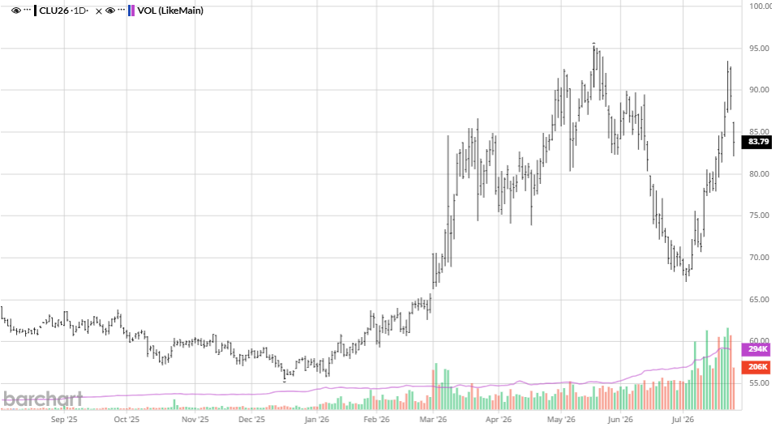
Soybeans received great news to end the week with better-than-expected biofuel mandates from the Trump administration. You can see how the news was received after a lackluster USDA report earlier in the week in the chart below. Beans will need to breakthrough recent highs or at least stay above the moving averages they broke through to keep some positive momentum as they are where they were back in February which is at least better than corn’s price movement. Planting should wrap up soon and good growing weather will move this crop along. Beans received one piece of good news in the biofuel mandates as they await news on any deal with China to help push higher.
Markets have settled down after another V shape recovery following the tariff driven dip at the beginning of April. The leveling off slightly below all-time highs shows that the market is hesitant in what to expect moving forward but acknowledges that the initial reaction to tariffs with negotiations ongoing were an overreaction. While the market could fail here and move lower with negative trade news the biggest domino the market is watching is China while also keeping an eye on developments in the Middle East.
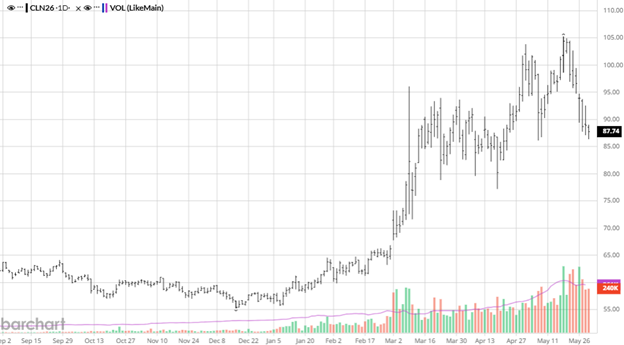
Israel and Iran’s conflict appears to be getting worse with more attacks while the US tries to position itself to lower tensions. Crude Oil prices will watch the news as a global economic slowdown vs lower production due to war would face off.
Cotton has been quiet with a lack of foreign demand with global economic uncertainty.
Drought Monitor
Here is the most recent drought monitor.
Contact an Ag Specialist Today
Whether you’re a producer, end-user, commercial operator, RCM AG Services helps protect revenues and control costs through its suite of hedging tools and network of buyers/sellers — Contact Ag Specialist Brady Lawrence today at 312-858-4049 or blawrence@rcmam.com.
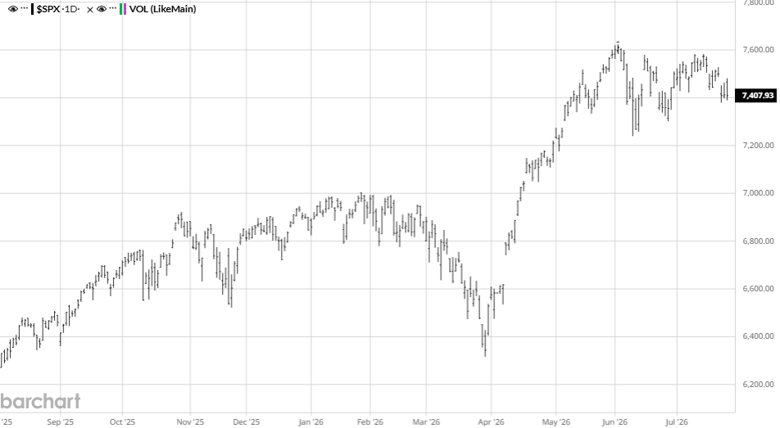
Over the past two weeks, corn futures have experienced significant volatility, primarily from trade policy developments and supply and demand dynamics. In early April, the market faced pressure as the U.S. implemented tariffs on imports from Canada, Mexico, and China, prompting retaliatory measures, including a 15% tariff on U.S. corn by China. This escalation raised concerns about reduced export demand, leading to a sell-off in corn futures. However, the market rebounded when President Trump announced a delay in the implementation of tariffs on Mexican goods, alleviating fears of diminished demand from Mexico, the largest importer of U.S. corn. The market has tight US and global supplies with the recent USDA revisions resulting in a stocks-to-use ratio of 9.6%, the lowest in 3 years. South American weather remains non-threatening and US planting continues to make progress with many areas ready to get rolling in May.
Soybeans have also faced sharp swings in the past two weeks, driven by global trade tensions, weather and repositioning. China’s retaliatory tariffs on US beans lead to a big drop in US exports, at the same time Brazil’s exports to China surged. Weather in some areas of Brazil has raised some concerns about a potential dip in yield but another record crop is still expected. Spec traders have started positioning a small long position after it has been beaten down so much they are hoping for a rally that could come with any US issues with planting or lower planted acres.
Markets have seen wild volatility this month but have calmed lately as the S&P 500 tries to hold above 5,500, a point many saw as resistance. While trade negotiations on tariffs continue with the world the market needs a stream of announcements that progress is being made as the 90-day delay will get here very quickly.
Global wheat supplies face potential tightening through next year due to lower production in the Black Sea as the Russia Ukraine war continues on.
Cattle prices continue to record highs as the US headcount is the lowest level since 1951.
Drought Monitor
As planting approaches here is the most recent drought monitor.
Contact an Ag Specialist Today
Whether you’re a producer, end-user, commercial operator, RCM AG Services helps protect revenues and control costs through its suite of hedging tools and network of buyers/sellers — Contact Ag Specialist Brady Lawrence today at 312-858-4049 or blawrence@rcmam.com.
RCM Ag Services is a registered DBA of Reliance Capital Markets II LLC. Trading futures, options on futures, and retail off-exchange foreign currency transactions are complex and involve substantial risk of loss and are not suitable for all investors. Loss-limiting strategies such as stop loss orders may not be effective because market conditions or technological issues may make it impossible to execute such orders. Likewise, strategies using combinations of options and/or futures positions such as “spread” or “straddle” trades may be just as risky as simple long and short positions. There are no guarantees of profit. You should carefully consider whether trading is suitable for you in light of your circumstances, knowledge and financial resources. You may lose all or more than your initial investment. You should not rely on any of the information herein as a substitute for the exercise of your own skill and judgment in making such a decision on the appropriateness of such investments. Opinions, market data and recommendations are subject to change without notice. Reliance Capital Markets II LLC shall not be held responsible for any actions taken based on this website or attached links. Parties acting on this electronic communication are responsible for their own actions. Past performance is not necessarily indicative of future results.