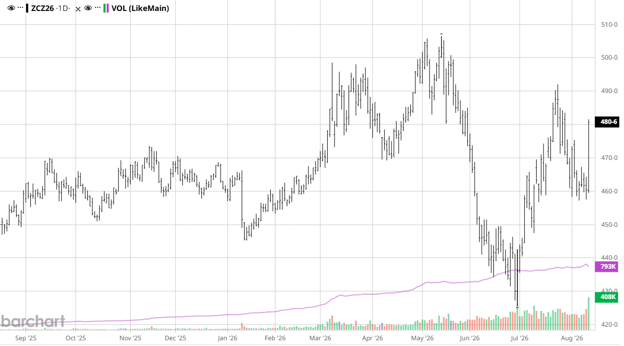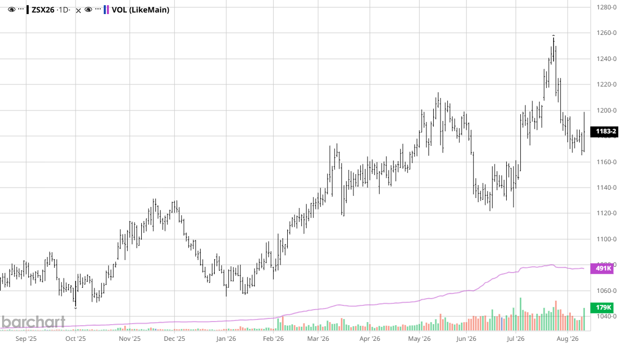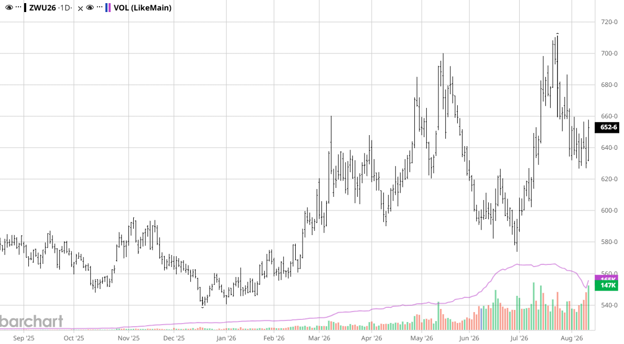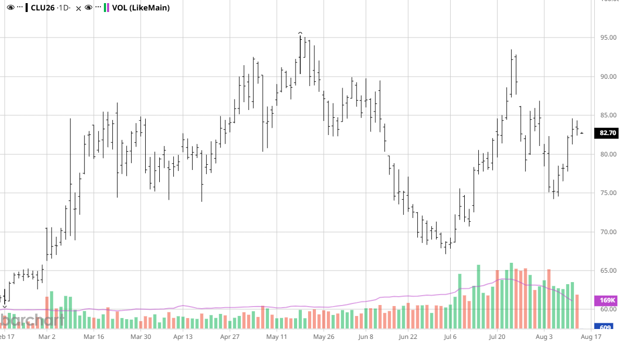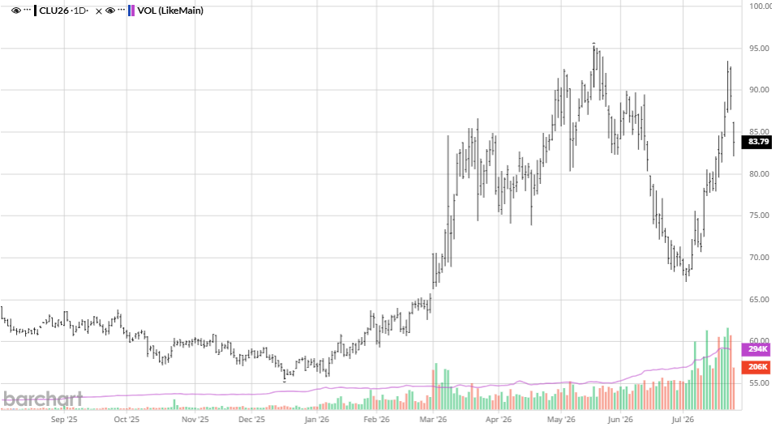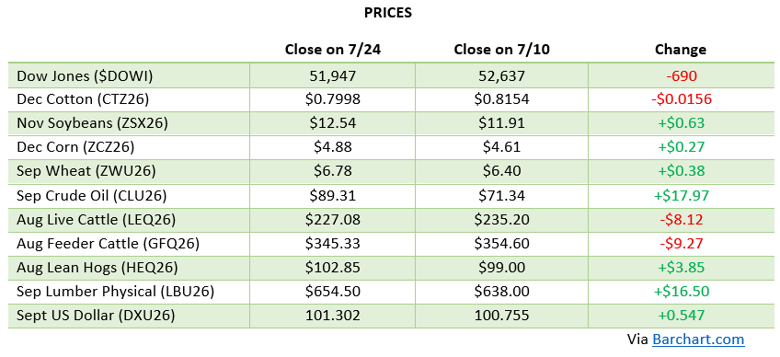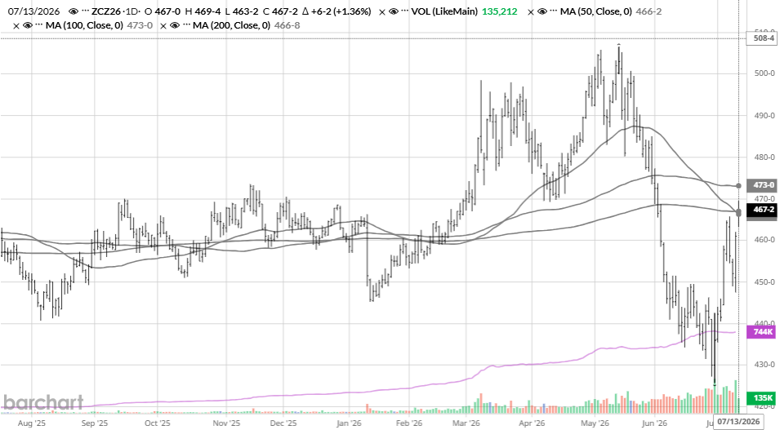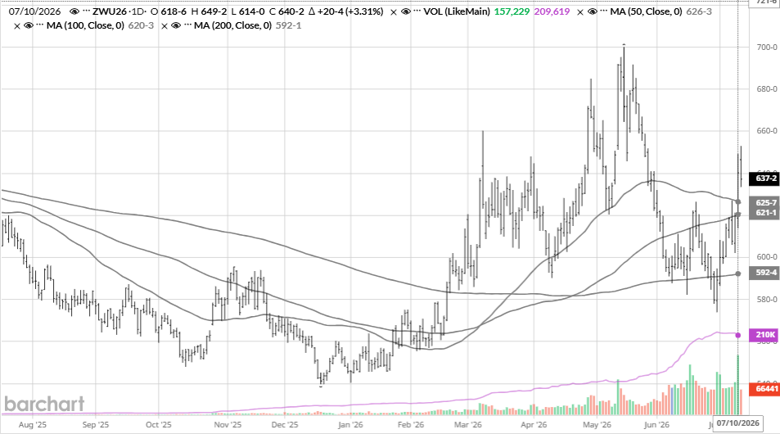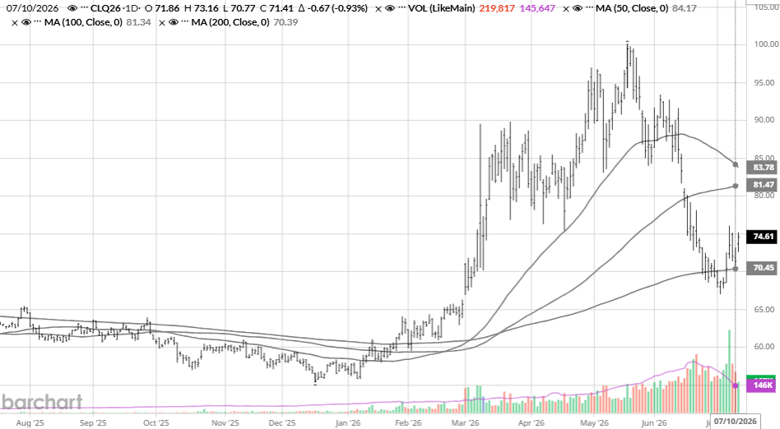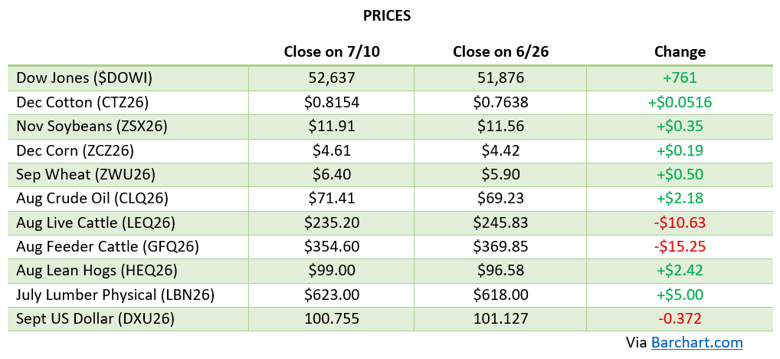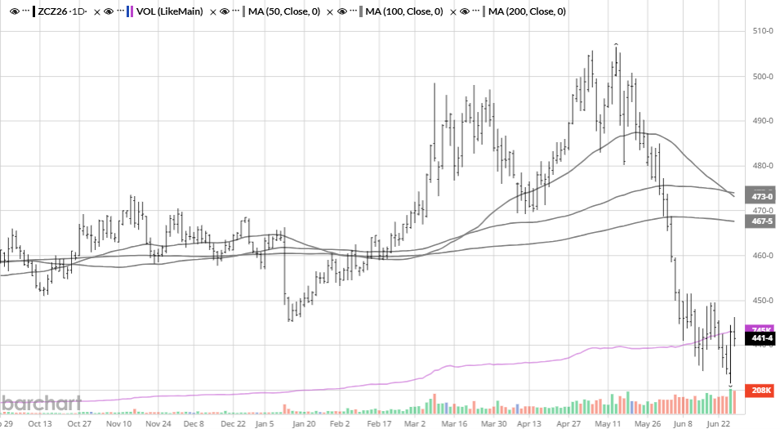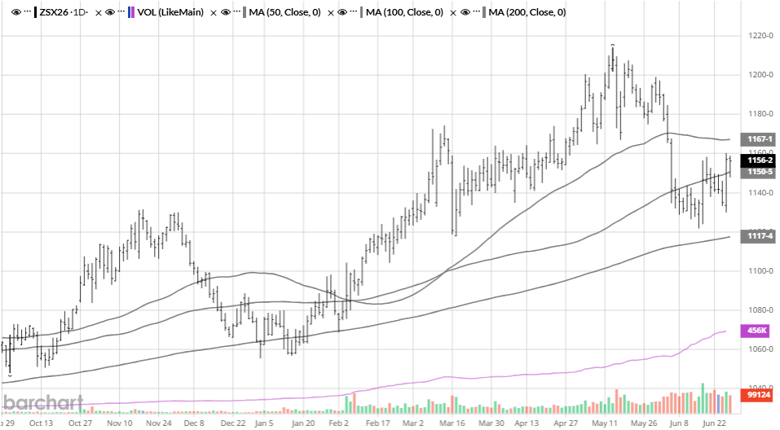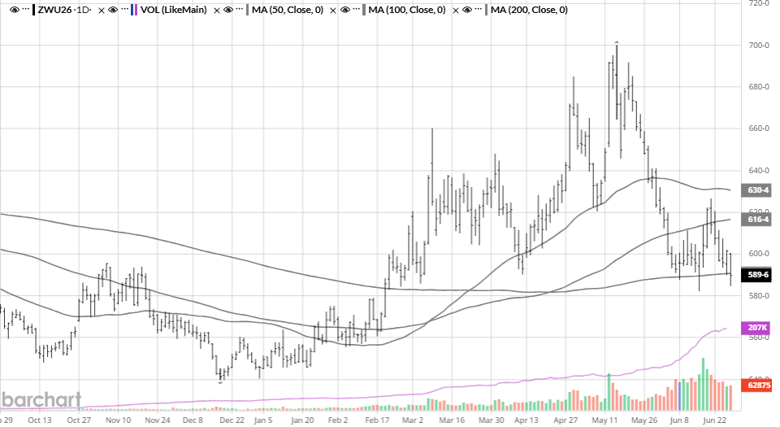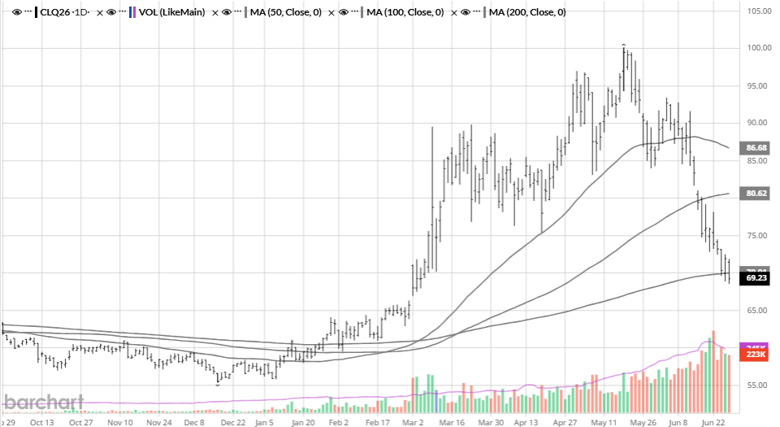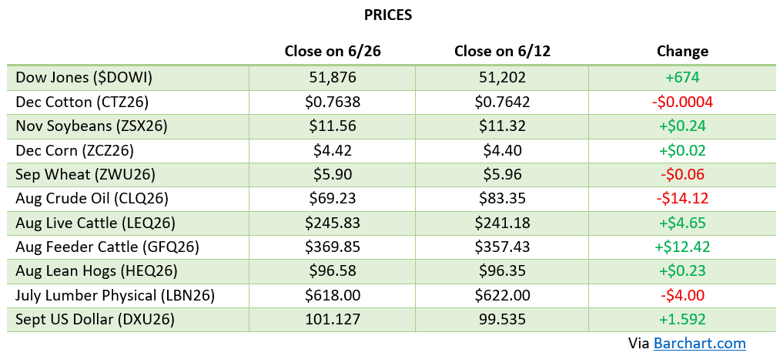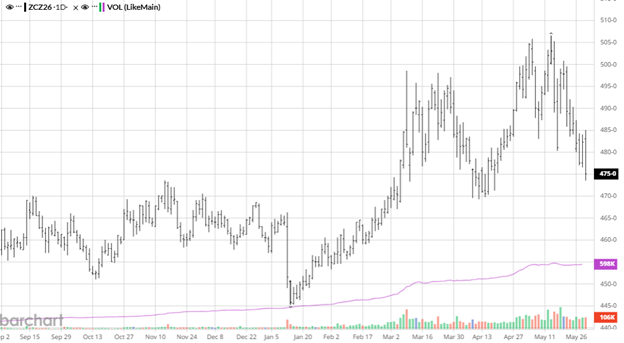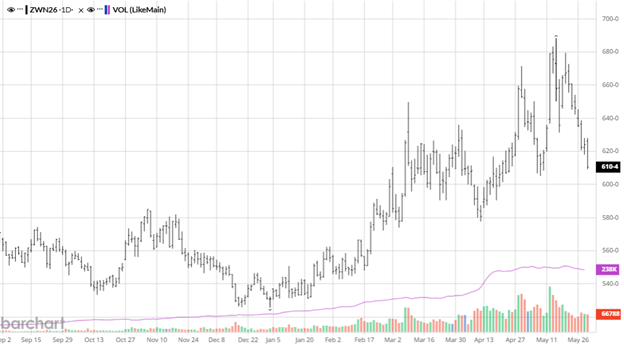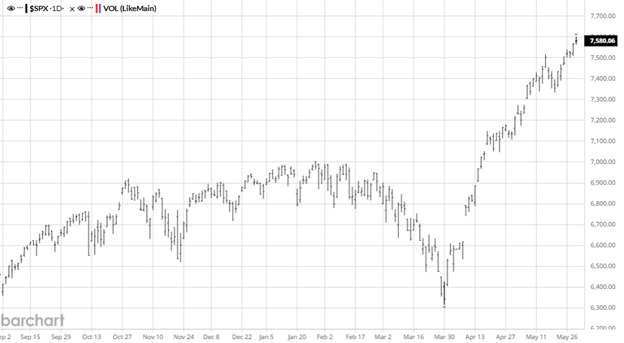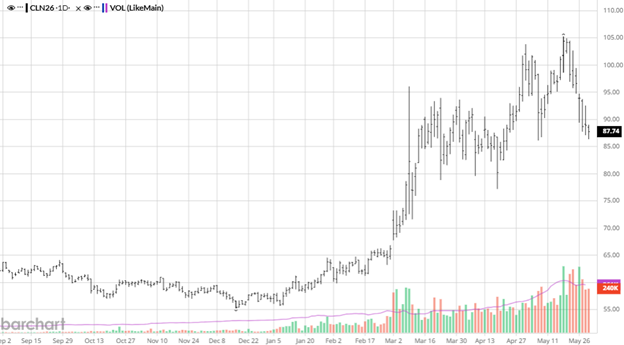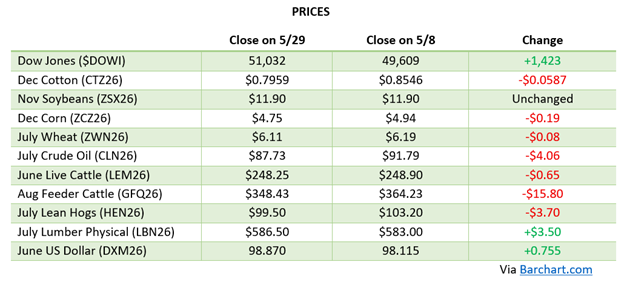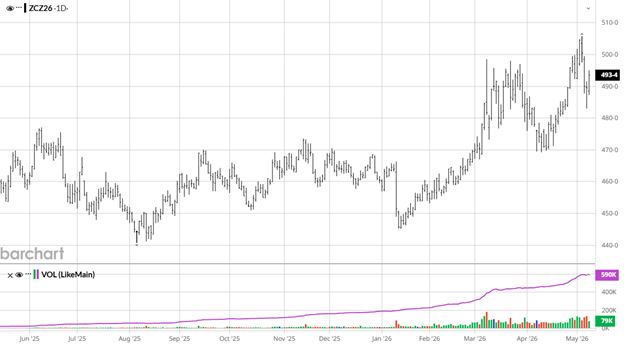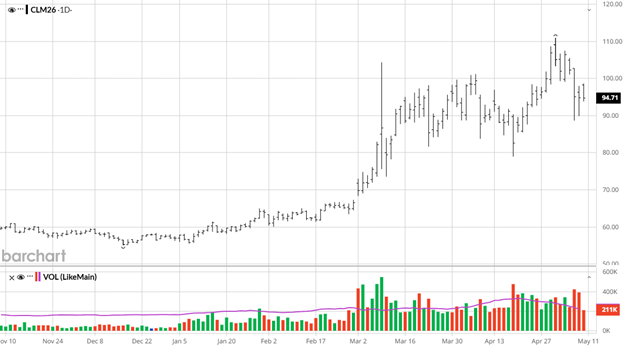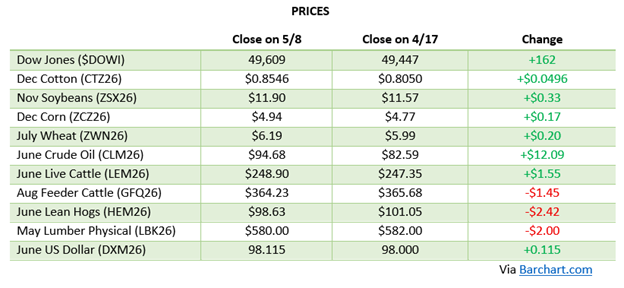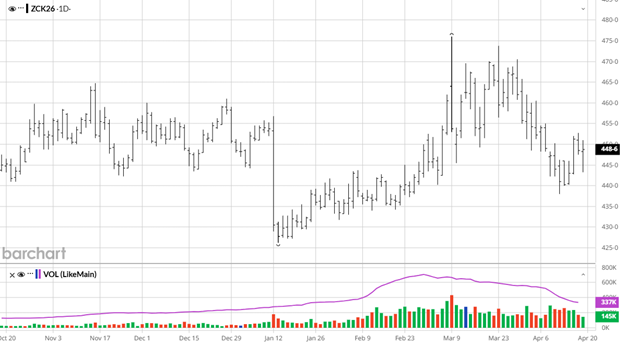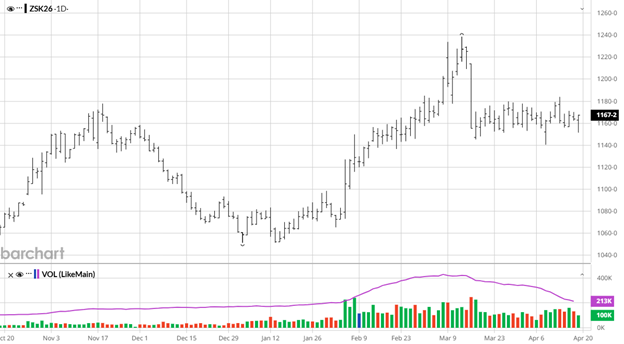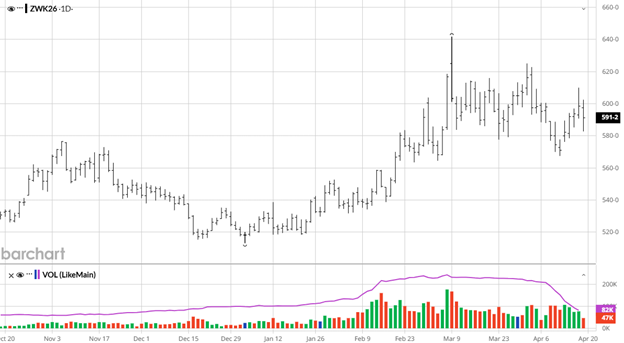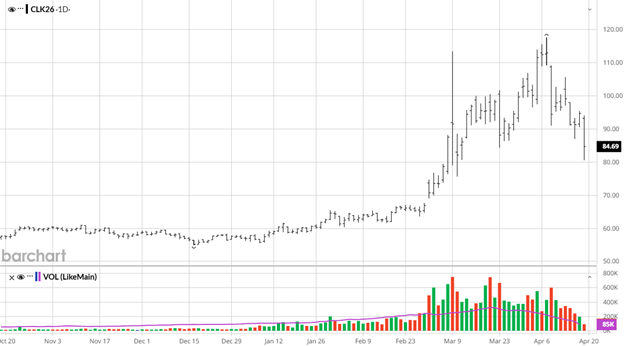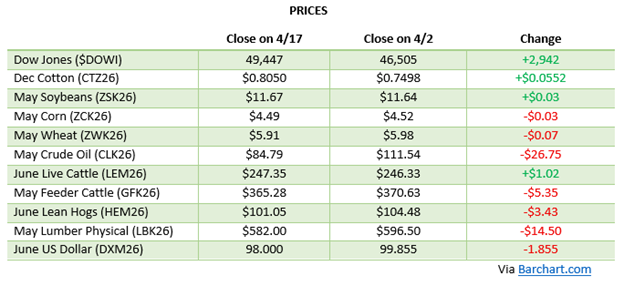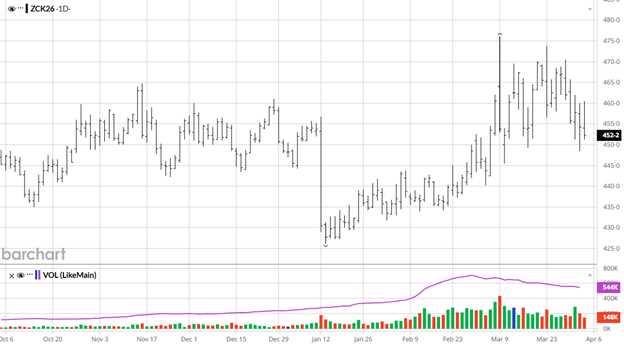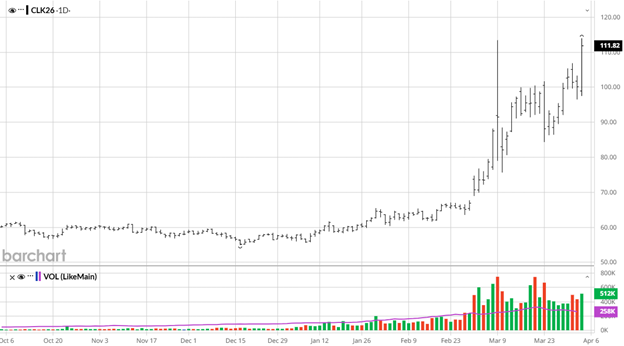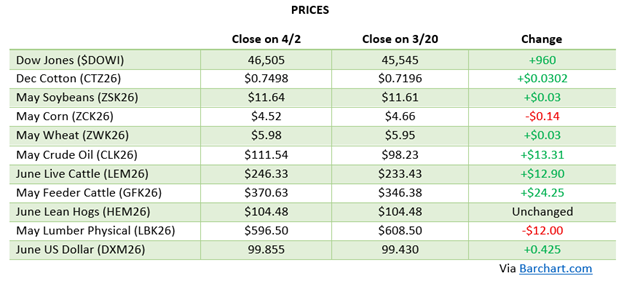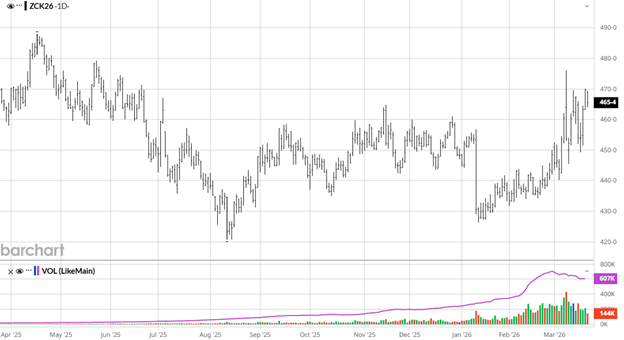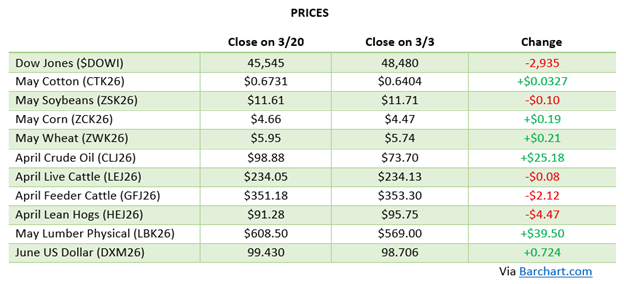

Corn has continued to trade range-bound between $4.10 and $4.30 with a nice recent run to the top of the range. Follow through buying to push towards $4.50 will be needed as harvest heads toward a finish and the large supply coming out of the fields. All crops got a boost after positive news from Secretary Bessent over the weekend saying China will be buying US soybeans (and assume other commodities as well). The market still has downside risk with a large US crop and global economic issues that for now are not flashing major warning signals but the market has been recession warry since the tariffs went into place in April.
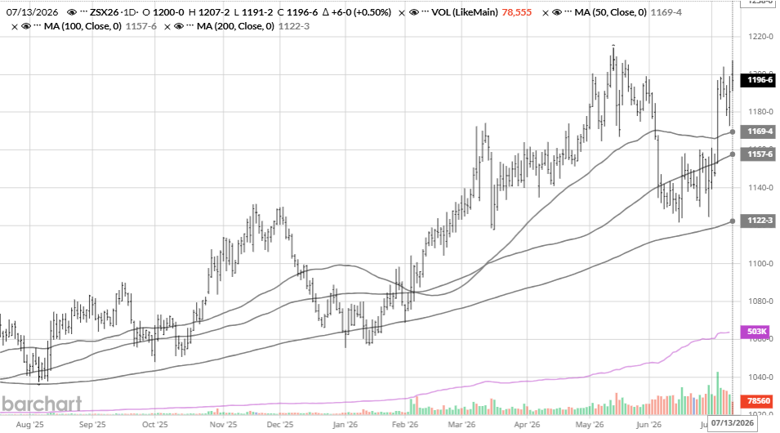
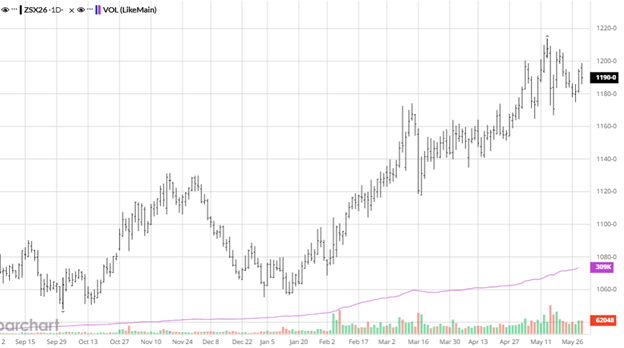
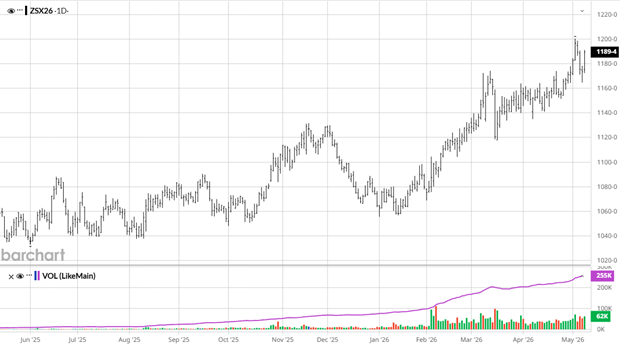
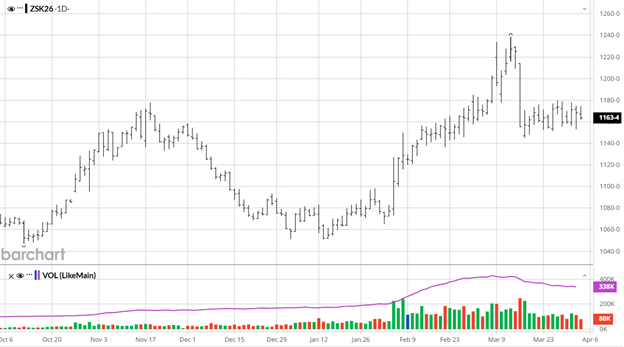
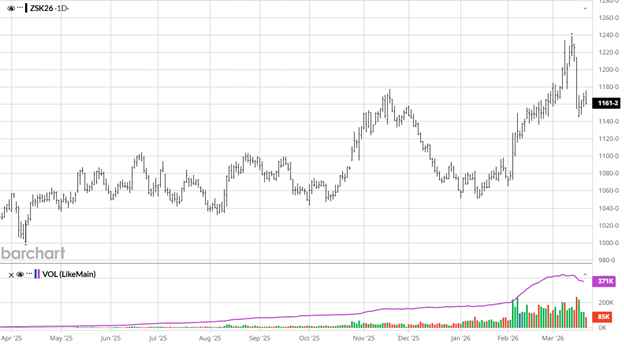
Beans continued their recent rally with positive news on US and China trade relations from Secretary Bessent. We will need to see these soybean purchases from China come to fruition without any more escalations that could put this progress at risk. With the continued Government shutdown the lack of information to trade from the USDA will make private reports the main news.
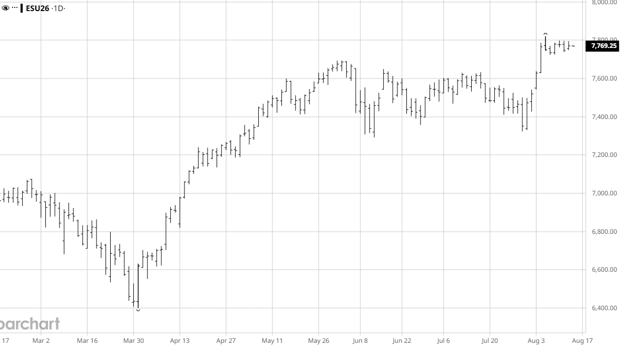
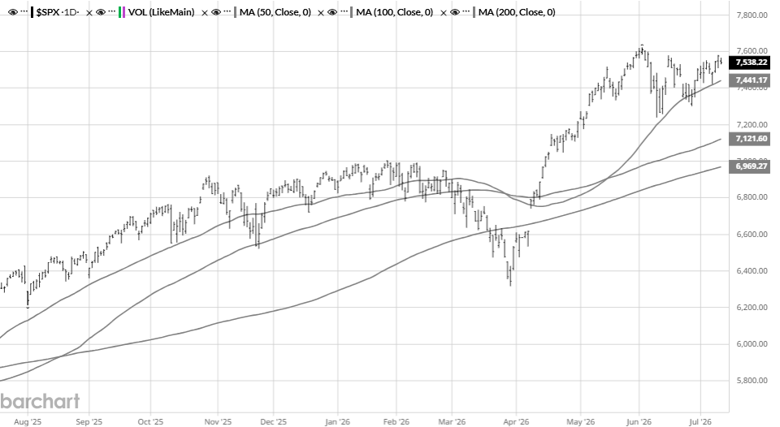
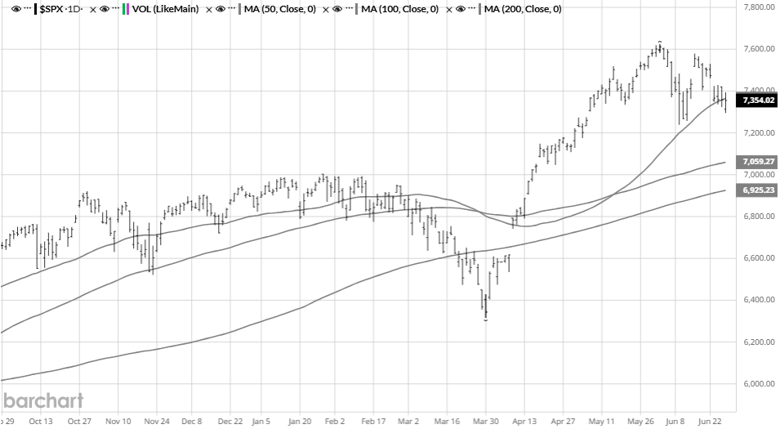
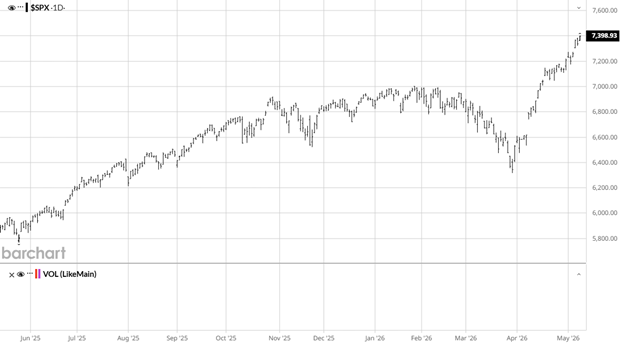
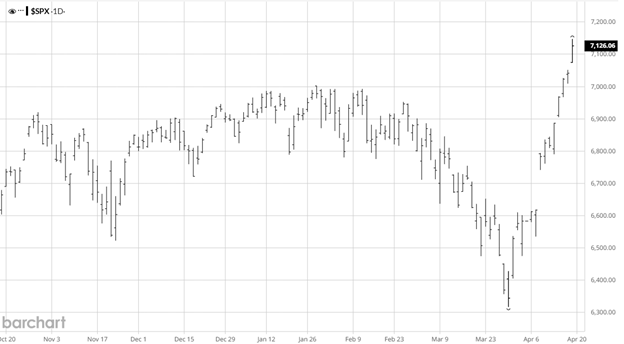
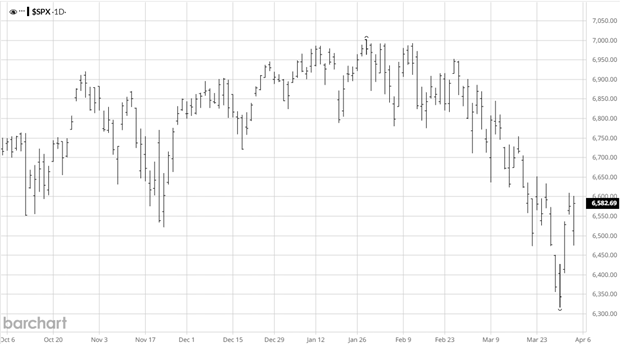
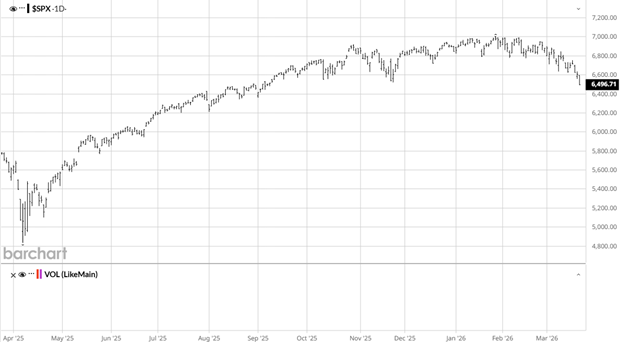
Equity markets continue to move higher after a recent dip as Gold has fallen off its recent highs but equities, lead by AI and tech, continue to climb higher with 2 months left in the year.
Cattle futures have fallen quickly off record highs as question marks around the USDA and white house about how they want to address high beef prices continue.
Cotton remains quiet with no major news to get it out of the mid 60 cent range.
The government shutdown continues.
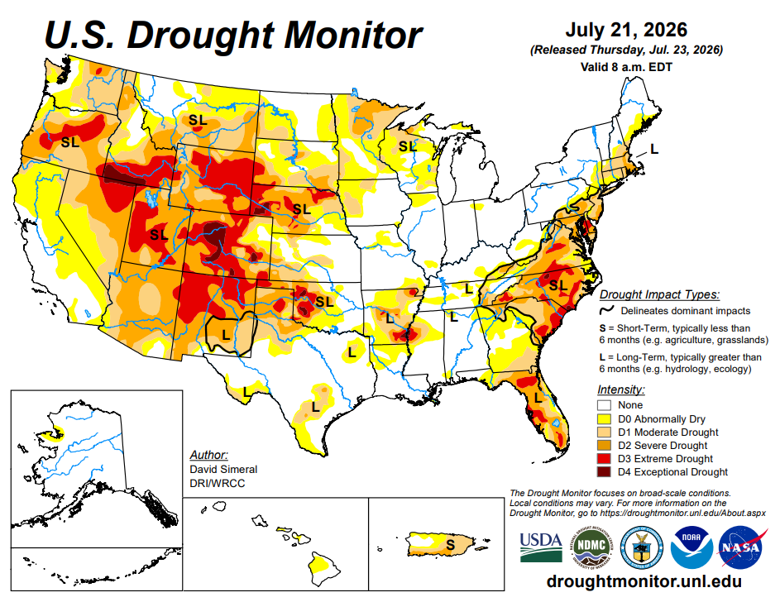
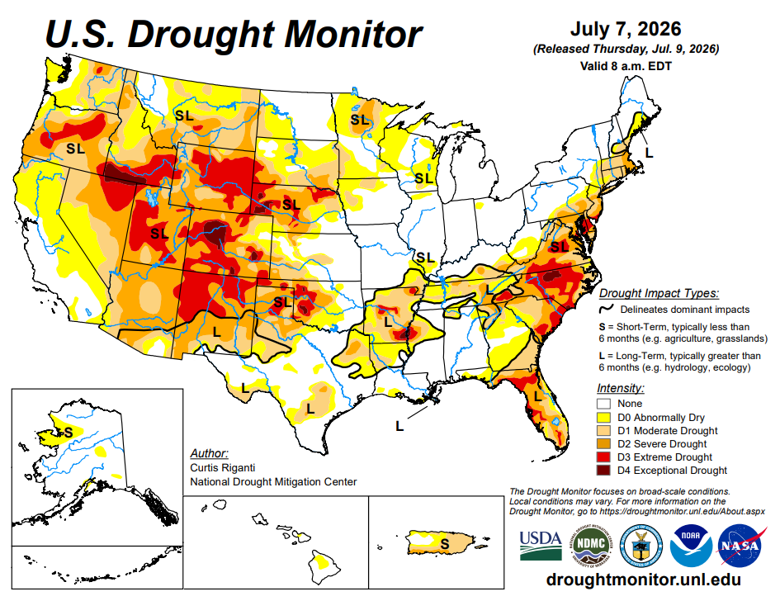
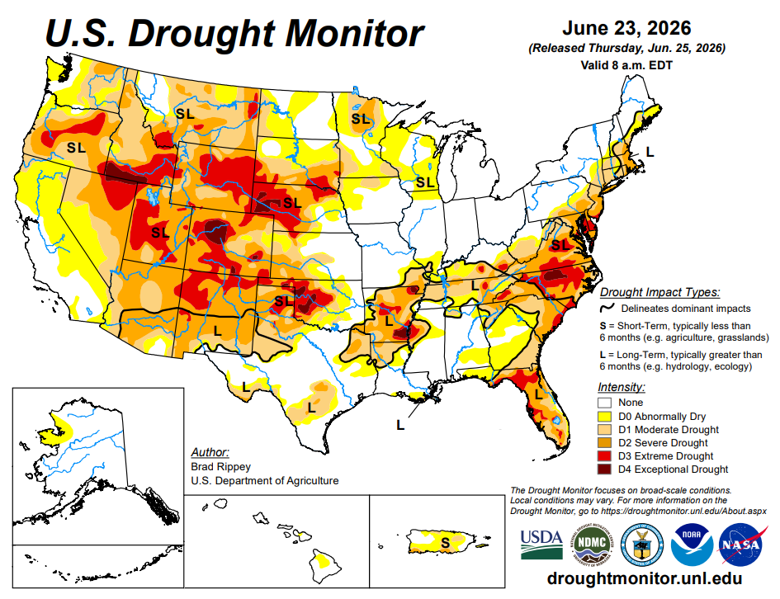
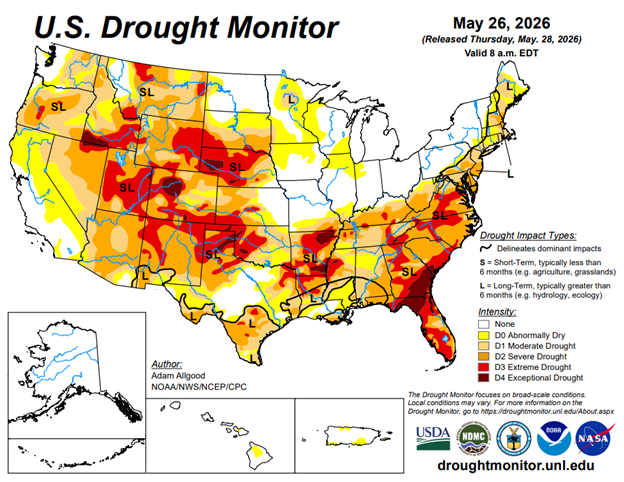
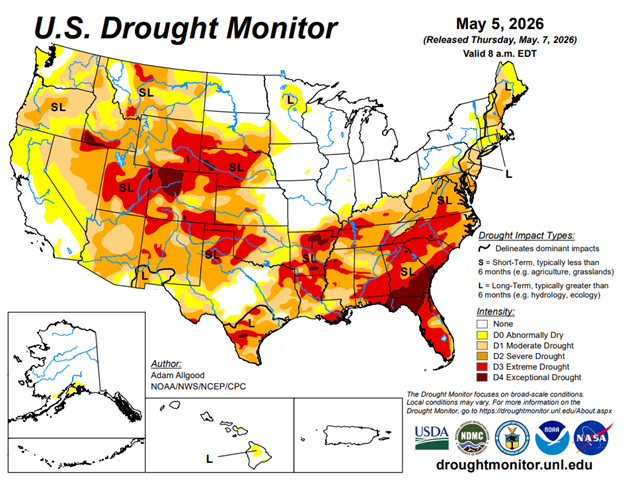
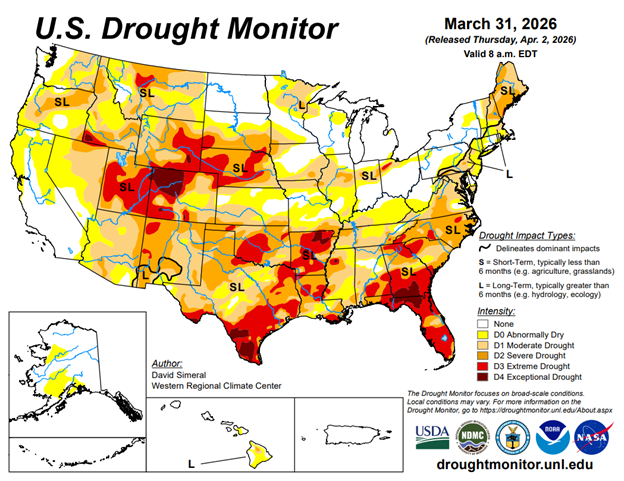
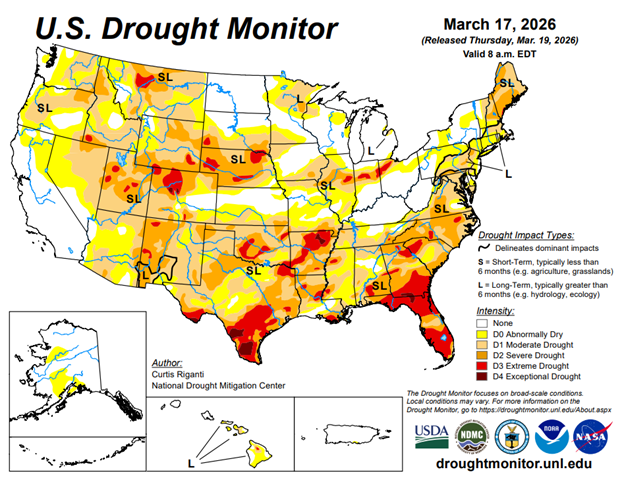
Drought Monitor
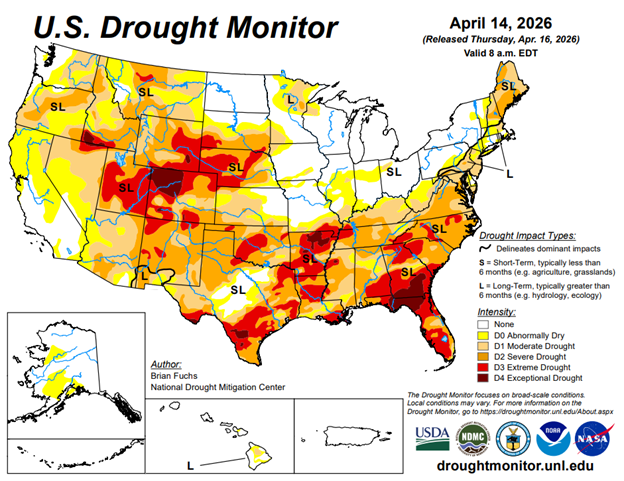
Here is the most recent drought monitor as harvest rolls on.
Contact an Ag Specialist Today
Whether you’re a producer, end-user, commercial operator, RCM AG Services helps protect revenues and control costs through its suite of hedging tools and network of buyers/sellers — Contact Ag Specialist Brady Lawrence today at 312-858-4049 or blawrence@rcmam.com.
In this episode of The Hedged Edge podcast, hosts Jeff Eizenberg and Ben Hetzel discuss the current harvest season with guests Lacy Schatz from LJS Insurance Agency and Dwayne Bowman from Dakota Western Bank. They provide insights into harvest conditions across different regions, highlighting challenges like frost and dry weather. Lacey shares updates on crop insurance, including new program benefits for beginning farmers. Dwayne discusses the current interest rate environment and its minimal impact on agricultural operations. The team focuses on marketing strategies, emphasizing the importance of forward pricing, storing grain strategically, and having a comprehensive plan to manage market risks. They also address the mental health challenges farmers may face during difficult economic times and encourage producers to seek support and collaborate with their professional team. The episode offers practical advice for farmers navigating the complex agricultural marketplace, with a strong message of proactive planning and teamwork.
Check out the complete Transcript from our latest podcast below:
Grain Marketing Survival Guide: Insights from the Field
Jeff Eizenberg 00:52
Welcome to the next episode of The hedged edge. I’m your host, Jeff Eisenberg, and I’m here with my co host, Ben Hetzel. Ben, last week, we couldn’t record I apologize. That’s that’s on me. I lost my voice.
Ben Hetzel 01:06
Yeah, it was a bummer not to get to see you last week. Jeff, so glad we’re able to do this, and looking forward to our discussion today. I think it’ll be really educational. We got two great guests with us. We brought Dwayne Bowman back. He’s president of Dakota western bank and Bowman, well, he sits in Bowman, but he oversees numerous branches. And then we’ve got another guest that joined us today from the crop insurance side, so we’ll intro her in moment. Perfect.
Jeff Eizenberg 01:34
Yeah, excited to have the group back and Dwayne, thanks for again, for jumping back on today. Really what we want to do a quick update. We’re well into harvest here, so check in on harvest, but also talk a little bit about the fact that the crop insurance guarantees out there are likely not to pay off big payments, and that’s a reality that farmers have to think about, and everyone has to discuss. And so what are the real decisions that need to be made? What harvest marketing plan do you have and do the farmers in our area have that we can help advise on? Are they going to sell off the combines store until March or July? These are the million dollar questions that we’re going to jump into today. One extra thing we wanted to add here today is so when we’re talking about harvest and updates, we want to hear from you. We’ve talked about hitting us up on Twitter and Facebook let us know what’s happening in your area. So with that, Ben, let’s get a quick update on harvest. How’s things looking from your side?
Ben Hetzel 02:29
Now we come out of the small grains harvest here at drug into September, further than normal. It was a long Spring this year due to the moisture in our geography, so it seemed like it took a little longer to get this get this wheat harvest and the canola harvest done, plus some additional rains and and stuff going on during harvest, kind of delayed things for a lot of producers. So that’s pretty well wrapped up seeing some quality concerns in some areas on some of that. But now we’re kind of into the beans. Not as many bean acres out in this geography on the fringe out west here, but they’re rolling through that pretty fast. Quality is up and down as we talked, we froze, so we’ve got areas that definitely seeing some issues there. So it’ll be good to have that discussion with in regards to crop insurance as well. I think some guys have actually started rolling on some corn this this week, some drier regions where it’s a little lighter soil, and guys plant short maturity corn. So there’s a few guys going on corn, and it won’t be long, and we’ll see some sunflowers. They’re getting pretty black. So that’s kind of where we’re at with what’s going on out west here.
Jeff Eizenberg 03:46
I gotta mention you, you brought canola up. You dropped a little tidbit the other day when we were talking that you are one of the largest exporters of canola out of North America. Do you want to care to comment on that?
Ben Hetzel 04:03
We, as far as we can tell, we are the largest shipper of canola in the US, and that would put us at the top of the export category as well out of the US. So not a lot of us doing that, but it’s pretty cool to be on top.
Jeff Eizenberg 04:16
Oh yeah, everybody loves to be on top. That’s great. Well, congratulations.
Ben Hetzel 04:20
Thank you. My comment to you was, we’re going after the North American number. That’s a big number because there’s a lot of canola in Canada. So I think it’s here. I think I think we could make our mark.
Jeff Eizenberg 04:31
So love it. Well, I’ll give you a quick update. I think most listeners know by now I live in Ohio. Harvest update out here is, it is dry. Everything you hear on the news in the radio, which you read, it is super dry out here, and it’s been that way for for months. Actually, it was the driest August on record. And as I drove around and saw the fields from mid August all the way through Labor Day on through here in October. Um, not much has changed. Dust is in the air, and I expect the yields to be down significantly. So want to be sure to share that from boots on the ground out this way.
Ben Hetzel 05:11
Thanks for the update. We’re kind of hearing some of that same stuff that yields maybe are not what people thought in some spots, and just don’t always know boots on the ground, what’s really going on out there. So it’s good to hear.
Speaker 1 05:23
If you want to listen back to this episode or find past episodes of The hedged edge, visit kbjm.com or kndc radio.com under Listen Live and podcast options, or either stations, free mobile app under podcasts.
Jeff Eizenberg 05:39
Yeah, let’s change gears here a bit and bring in our additional guest. We have Lacey Schatz from LJ Insurance Agency. Lacey, are you? Are you with us? I am. Hi. How are you? Thanks for coming on. Yep, you bet. Well, we’re we’re jumping in. We just went over the harvest update, and want to check in on insurance. So we’re setting price right now for for corn in October, and you’ve already set the price for wheat, you’ve had quite a bit of volatile weather, which is pretty customary. You’ve got hail, tornadoes, freeze. Ben already mentioned, where all these things, where insurance comes into play. So my guess is, you’ve been pretty
Lacy Schatz 06:17
busy. We have, yep, that frost created quite a bit of work. But we’re really in kind of a wait and see situation to see what that corn comes in after test weight and things like that
Jeff Eizenberg 06:27
got it so the freeze mostly affected the corn, and that’s, that’s what your thoughts are.
Lacy Schatz 06:31
Yeah, some beans, the flowers, seem to fare pretty well. You know, the bean crop, I think overall, is going to be better than expected from the frost. But the corn, you know, it’s so variable. So from an insurance standpoint, we just kind of have to wait and see what it looks like when they get in
Jeff Eizenberg 06:45
there. Got it and the hail really hits those beans pretty hard as well.
Lacy Schatz 06:51
Yes, yes, we’ve had 14 pages of claims, so you know, from the hail and from the frost. So a lot of damage out there. Crop insurance really did a good job of taking care of the guys with with the hail in particular, just because commodity prices are so low, and crop insurance prices are, as you know, based on futures, so they were actually covered very well for those situations.
Jeff Eizenberg 07:13
Got it and your your read on the prices here the Fall Harvest prices versus the yield is that we’re really not looking at a claim for most other other than these acts of God, right?
Lacy Schatz 07:28
Yeah, you know, if you’re harvesting, you know, 30 to 35 bushel wheat, for whatever reason, you know those lower harvest prices are kicking in that revenue part of their insurance. But for the most part, yeah, we’re not seeing any claims with a bigger harvest. And we just need some commodity prices to go with it.
Jeff Eizenberg 07:45
That’s why we’ve got, we got Ben here to will the markets for us. But in the meantime, you know, there’s, there’s been quite a bit of discussion about the marketing plans that people are needed to think about here moving forward. And you know, insurance is always a part of everyone’s plan. Is there anything new that’s happening insurance wise? You mentioned when we talked offline, the big, beautiful Bill had had some elements to it that ultimately impact insurance. Anything you’d like to share with the listeners?
Lacy Schatz 08:19
Yeah, so if you’re a big SCO eco supplemental coverage. You know, if you like to buy those options, that subsidy has increased from 65 to 80% I have coded that for our Montana and South Dakota winter wheat guys. That is very, very inexpensive now. So those farmers will be happy to see that. The other big thing is the beginning farmer rancher program has been went from five to 10 years. So basically, if you’ve been farming less than 10 years, you want to make sure that you get re enrolled in that program. Agents should kind of be doing that automatically, but I would definitely make sure that you’re checking with your agent to make sure you’re getting re enrolled in that program. The other thing would be, there’s more premium support that came out of that bill for optional and enterprise units, it’s not, I don’t think when we quote in March, you’re going to be like, Oh my gosh, my crop insurance is way cheaper, but it is there nonetheless. So so positive things moving forward. You know, crop insurance isn’t perfect, but a lot of these things were steps in the right direction.
Ben Hetzel 09:18
So Lacey with the Beginning Farmer program. Did it outline the parameters? Are they extending the 100% of T yield? Or do you know any of that this juncture?
Lacy Schatz 09:31
Basically they just extended premium subsidy support. It varies by how many years you’ve been farming. The best is one to five, and then it tapers off the last through 10 So, but you really do notice those savings on, on, you know, on your quotes and your premium, there’s a little bit of a how it calculates in last year’s how it kind of preserves your Eph a little bit better than a farmer who’s not in the BFR program. But that’s getting in the weeds a little bit. But it’s mostly just that premium support, and 10 years is a long. Time I feel like for a guy to be in that program.
Ben Hetzel 10:02
So I just had one other thing. There’s been some talk about base acres and stuff. Was there much to that?
Lacy Schatz 10:13
You know, that, quite honestly, that is not quite as clear yet. You know, that’s not so much an RMA as a USDA situation, and there’s not a whole lot of clarity how that’s going to work, yet. There is some material I could send out if needed, but I’m not very versed on that, just because it’s more the USDA. One other thing I will mention for 2026 is there may be a program. It’s briefly come out. The details are now, but it’s called clip, and that could be basically characterized as like a blanket for your crop insurance, like an overall coverage situation. So as we get more information on that, we can certainly get that out, you know, to everyone, but it’s just, it’s just something that’s briefly been mentioned at
Ben Hetzel 10:56
this point. So you don’t have an opinion on on that at this stage. It’s still, too early.
Lacy Schatz 11:02
I guess for me, it would really need to be quoted, and then I would have a pretty strong opinion on whether it was something a person should do or not. You know, our agency, we’re big into the whole farm revenue protection program. We really like the coverage that that provides. I feel that it’s this very strong program above and beyond typical multi payroll insurance. So I guess we’re just gonna have to see the mechanics and the pricing of it first.
Ben Hetzel 11:25
Yeah, I’m glad you mentioned that, because I think that’s kind of your mantra, saving producers money, protecting their investment, you know, all the way through. And that’s something that that I know that you’ve been actively involved in your career at the federal level and some boards in different committees or whatever that you’ve sat on, bring a wealth of knowledge in this crop insurance arena back to the producers in southwest North Dakota, Montana and Northwest South Dakota. So really appreciate those insights Absolutely. Last
Jeff Eizenberg 11:57
question I have for you, Lacey cattle price is still at all time highs here. How about the LRP insurance? You are you seeing a lot of renewed interest in that, with markets trending this way?
Lacy Schatz 12:11
Yeah, yep, there’s a lot of interest in LRP. One thing I would encourage ranchers to have a look at is insuring at like a 92.5% level instead of 100% level, you’re still getting really, really good coverage there, but you’re getting a higher subsidy, and it’s much more affordable. So that would be my very important thing. I would tell ranchers when they’re looking at LRP, but it is a strong program, and it’s, it’s nice to have that option. I mean, ranchers, I feel like ranchers don’t have the protections that farmers often do, so it’s nice to see LRP working really well for them right now.
Jeff Eizenberg 12:43
That’s great advice. Thank you so much for that.
Speaker 1 12:47
Want more agricultural market expertise. Listen to full episodes of the hedge edge podcast, wherever you get your podcasts, or visit RCM, ag services.com get the complete market analysis and strategies you need to succeed. Shit.
Jeff Eizenberg 13:02
Shifting gears a bit over into the macro side of things, big picture. We’ve got Dwayne, you’re at the bank. We’ve got interest rates have been cut. They’re forecasted cut a bit even further. How are you how are things shaking out at the bank? People thinking easy money is going to be better move forward.
Dwayne Bowman 13:21
Good question. Thanks again for having me on and up and Jeff, you know, the Fed is definitely in a difficult position right now. It’s going to depend on the strength of the economy going forward. There’s definitely a push and pull effect in place right now, and it’s going to be interesting to see wins. Obviously, we know the direction Trump wants to see interest rates go and Powell doesn’t seem to necessarily agree and and the economy ultimately probably be what decides that makes that decision. Right now, the biggest concern is probably stagflation. So it will be interesting to see how between unemployment numbers, inflation, the impact on tariffs, all that shakes out. But the expectation, you know, we just did see the Fed dropped interest rates quarter percent. The expectation is still probably at least another quarter percent before year end, possibly two rate cuts. We might see a half percent cut before year end, and then another drop is expected in 2026 but you know, really, when you look at it, Jeff, it’s, it’s a pretty minimal impact on the overall impact on a on the farmer, rancher. Right now, you know if, if your input costs are $200 an acre, and last year, you know, for instance, if you were paying 9% this year, you’re paying 7% you know you’re talking maybe about a $4 an acre savings. So it is not, it’s not substantial enough to have a huge
Jeff Eizenberg 14:36
impact. And then the other element comes, as we’re in the harvest season, is cash versus carry. Obviously, you just mentioned paying down an operating line. That might be nine that’s ideal. But at the same time, there’s carry on the board and there’s potential opportunities ahead. What is your position or thoughts from the from the bank side, you prefer farmers to kind of true up? And get back to square one with you here by the end of the year, or you like to see him carry and hold on into next year? Yeah.
Dwayne Bowman 15:06
You know, the anticipation that I have is that they’re gonna hang on to it, but they’re gonna carry it for a while. So, you know. And there is a cost, obviously, to doing that, you know, Ben, what is what storage cost? It’s grand equity
Ben Hetzel 15:17
now, six cents, which is too cheap for the carry in the market for sure, yeah.
Dwayne Bowman 15:22
So six cents, you know, you look at the course, if they hold on to that for 12 months, then you’re talking 72 cents. So, you know, almost, almost a buck a bushel to hang on to it for a year. You know, we talked, I talked to a lot of my producers last year on interest rates, on the cost of hanging on to it because of, you know, it’s sitting on an inventory loan, if it’s sitting on their operating loan. And last year, you know, when one grain was say, let’s use wheat and say, $6 a bushel, they’re hanging on to that, and they’re paying 9% interest. You’re talking 54 cents to hang on to it for years. So between storage and between the cost of of interest, of hanging on to that you’re looking at, you know, $1.30 or more a bushel, they certainly didn’t see $1.30 rally. They saw it go the other way, about $1.30 so a tremendous cost to hang on to it, but yet, as low as it is this year, so now we’re talking, say, $5 wheat and 7% interest rates. So now you’re looking at maybe 35 cents a year to hold, so a little less cost to hold. So I think you’re definitely going to see that gamble, that they’re going to hang on to it, that they’re going to see this market rally. You know, I’m not saying that’s the right thing, or what banks want to see, but that’s certainly the expectation. I think. What we saw, and could probably attest to this as well, that the sell, the selling that was taking place at harvest was probably because they didn’t have the storage, the only reason it was coming to town.
Ben Hetzel 16:39
And even post harvest, we’re seeing that push, like, I need 40,000 room for this. And, you know, whatever, the guys that bag, obviously, they have endless storage for a time. But, yeah, it’s, it’s kind of interesting. One of the things that I want to throw out there, too is we’ve seen a lot of bugs in the new harvested grain coming in this year, grain weevils in the field. I’ve seen it before. Actually was on a grain bin during harvest when my dad was cutting wheat years back, and that was the first time I’d ever seen it. I did not realize those burgers were in there, but the bin top was covered. And I was talking to a farmer the other day, and I said, you know, be on the lookout, because these bugs are in there. And if guys just throw it in these bins and don’t don’t condition it, and don’t pay attention to it. Come back in December, January, February, we’re gonna have bugs. And so anyway, we’re seeing some problems already with old stored grain because of the moisture. So we’ve had some bug issues, and guys got to be aware of that. And the reason I bring that up is, you talk about interest costs? Well, there’s other costs to carrying grain. You’ve got insurance. It’s on on that grain that you should be carrying insurance anyway, and of those inventories, and then also the quality concern, you got to keep, keep it in condition. So you’re likely running fans. Electric costs are, are not cheap to run those things, and so there’s additional cost to it. And in a year where guys are trying to figure out, especially on weed, how much am I going to lose per acre, these costs can start adding up pretty fast.
Jeff Eizenberg 18:16
That’s a great point. Then you’ve got shrink in there as well. That’s important to think about. And one thing that you mentioned in one of our last episodes, Ben, and I’d love to get Dwayne’s perspective on this or position, is that the reality is people are going to store grain. Dwayne, you just said it, they are. But my question, and what we really would need to drive towards is helping people to realize that they should be thinking about marketing the grain that they’re going to store in advance, because you mentioned Ben the last time that every year, no matter what people are thinking, I’m not going to market my grain until I harvest it. Well, they have grain left over already, and they’re going to plan to refill their bins at least, at least partially. So what I’d like to hear from Dwayne, do people constantly have grain in their bins that is unmarketed and should be forward priced?
Dwayne Bowman 19:12
Yeah, I guess I can start on that, you know? And, and, yes, we would love to see that grain move a little quicker, because then we know where we’re at. You know, Lacey talked about this as well. We’re still in this wait and see pattern, you know, see how that corn comes in, see the condition, the quality of the wheat that they’re going to sell. So at this point, we really have no idea what their loss is going to be. We expect there’s going to be a loss. We know that. You know, even with with record, record, I guess, but you know, above, well above average yields this year, with the price that we’re having and the discounts that are going to be there between, you know, like corn or or quality issues on the on the wheat side, we know there’s going to be some losses. So we would love to see that going to town a little bit earlier, just so we could, as a bank, that we could see where these producers are at start making some plans. You know, we know we’re going to have to be capitalizing some losses. Unfortunately. It’s never a good position to be in. But the earlier we can make those decisions, the earlier we can sit down with customers and start putting together plans, the better off we are. So yes, that’s the encouragement we’re going to have. Is them meeting with talking to van, talking to brokers, and seeing, okay, what can we do if we need to sell this, if we start moving this now, avoid some interest cost, avoid some storage costs, but we still want to have some upside on that market. You know what the market does rally. How can we leave that open? So that’s the decisions we want them to be talking to somebody on making some plans if
Speaker 1 20:29
you’re enjoying today’s show, check us out on Facebook. Just search RCM, ag services for market updates and tips. Find us on Facebook today.
Jeff Eizenberg 20:42
Yeah. And Ben in terms of opportunities at the elevator for HTAs and forward pricing and forward contracting. What are some of the solutions that you’re suggesting and talking to people about and brainstorming ideas on right now? Well, we’ve talked
Ben Hetzel 20:59
about it before, Jeff, and and this isn’t anything new to Dwayne, either. You know, it’s the basic to arrive contracts selling the carries. You know, we’re getting to a time in the year where you start to see that Jan, Feb, March, bid out there. Basis is historically pretty wide right now. We’ve seen this basis in these, this kind of territory we’re trading in right now, for the last few years, it’s, it’s not uncommon for us to be 7080, even, unfortunately, 90 under. It used to be crazy, crazy, wide years ago, but it seems like it’s more the norm now, to be, you know, above 60 under, for for wheat anyway, and and we haven’t seen it as much in corn. Corn is still maintaining more of a traditional baseline basis that 50 to 70 under out our way. It does narrow up at times, but it seems like that’s year in and year out. It’s it’s right in there. So that one is a little bit probably more palatable to the grower to see that basis that we’re experiencing today. But it’s really the wheat one that’s, I think it’s got all of the producers kind of perplexed, a little bit like, am I going to get a basis break here and post harvest? And is this, you know, maybe we catch a rally on the board, we can pick up 40 cents somewhere in this market, you know. And my my suggestions have been to quite a few producers, you know, you got to start planning out, you know, your logistics and when you want to get into the elevator, because with big crops come congestion, and not everybody. It seems like when, when basis does move, everybody wants to sell, and then it forces basis back out. Or if there’s a big futures rally, everybody piles on, and then, you know, you got basis just in shambles then. And so we really need to be watching these individually, like you said last episode, Jeff, we have to, we have to segregate them out and start working on them individually. If futures are what looks like the opportunity to take advantage of, let’s be doing that with hedge to arrives or or in in our own account with our brokerage firm. You know, we can, we can help with all of that and get things set up for a producer. So outside of that, you know, basis, there’s, there’s carries in the futures, and there’s, there’s a narrower basis out on the horizon. So maybe just have that conversation. But can I lock in flat price basis, or flat price, you know, just to be done with marketing some grain, because most guys are sitting there with almost all of it unprotected, you know, whether it’s corn, wheat, you know, we have moved a tremendous amount of canola, and I think we’re going to be way ahead of last year’s pace by the turn of the calendar. So guys have really taken advantage of a market that is profitable, which is good, experiencing a lot of congestion on that, but that’s, it’s at least a positive sign that guys are taking advantage of certain commodities that are crops are growing and hitting those markets that that are paying them a premium, you know, to what some of the other ones are, and they can, they can lock in some profits.
Jeff Eizenberg 24:25
That’s good, good advice. And then the other thing that we’ve talked about before, and I think it’s worth repeating here, is that we can’t just look what’s right in front of us. We have to look ahead. We got to look, possibly even looking at the 26 crop already. There’s some decent prices on the board due to the carry that it’s built in. And it’s going to be important as we move through this harvest and then get to the beginning of the year to see if we can identify some of those profitable levels that are looking attractive, at least, you know, break even now, if you forward sell and it’s at a break even price, if. Course you’re not happy that it’s break even, but is break even better than losing money, and if your worst sale is a break even price, because the market rallies, so be it. That’s, that’s where averages come in and come into play. So always reminder, keep ahead.
Ben Hetzel 25:18
Yeah, that’s perfect, Jeff, because that’s, that’s really what they have to do is work on an average. It’s, it’s not swinging for the home run. It’s, as we’ve referenced baseball terms in the past, on marketing, it’s singles and doubles and and just chipping away at it. You know, even in in our business, in the Co Op, we don’t always just take the full chunk right off, off the map, you know, we we layer into things, whether it’s inputs or or even our marketing strategy for what we anticipate growers to do, which we got to be careful, obviously, because we are expected to deliver on that, that contract, because we’re not just out there, you know, gambling In the market. So, but you do have to forecast some things, and you have to forecast freight. So there is risk in this deal for for everybody. And so layering in and having a position is is the ticket. Well, it’s no different for a producer, they should have a position other than just all cash, you know, throughout the year. And to your point, we need to be looking out further and further. And one tool that we’ve used a lot, and this feeds into what Dwayne mentioned, is selling some grain with some upside opportunity. Obviously, the changes in the Minneapolis market, as you’re familiar with, Jeff, and we’ve talked about it in our marketing meetings that we’ve had, the options kind of went away, and that was a nice tool when it worked for the producers to re own grain or take some premiums out of the market for selling grain. The quotes I’ve been running on some OTC stuff aren’t real great, but it does give you something. You know, if you are selling grain anyway and you’ve got a lot to market, that tool is a pretty good, pretty good tool. We’ve used it a ton. They do have double up features on a lot of those where you might potentially market twice the amount of grain on that contract is what you originally put up face face value. But if you’re sitting on tons of inventories, and you’ve got time to market it, and that’s what your plan is. Anyway, it works really well.
Jeff Eizenberg 27:29
Oh yeah, there’s there’s plenty of tools out there. The question is, are producers willing to have the tough conversation about getting ahead? And that’s what we’re talking about here today, is getting ahead and realizing that there’s strong yields out there this year, you’re going to carry a lot of grain from this season into next at least, you’re going to be storing it. You’ll be looking for new basis opportunities, of course, but at the end of the day, there’s always going to be grain in the bin that needs a home and needs a price, and that’s the piece that Ben myself, our team, we’re happy to talk with with you about it at any time, is, you know what price is right and what is your I would price, what Ben’s talking about, about the OTC and some of the structures that are done through cash contracts. By coming up with an I would sell price. Ben and the team can reverse engineer a price for you to say, Okay, here’s the risk of taking on that type of a trade. So a lot to a lot of education goes into learning about these products and learning about these these sale opportunities, and other people also interested in re owning the board. You know, you hear that a lot. And if you are going to sell off the combine this year, and you feel that there’s going to be a rally, or we think the markets are going to trend higher, maybe China comes in and buys from us, we don’t know. There’s always ways that you can re own the board in order to participate in the upside.
Ben Hetzel 29:00
Yeah, and one comment on that, you brought up China. I was listening to a webinar analyst, and they made the reference to the tariffs, and we didn’t really talk about it yet. But you know, the conversation around Trump saying, use tariff money to pay, you know, just send some of that back to the farmers. He wants to use some of it for for some help there. And China. China and Japan are the two that have been hit the hardest by the tariffs with the US. And so here we are on one side. We’re hoping that China wants to eagerly come buy our goods all the while we’re hitting them the hardest with our tariffs, I don’t that should not be back to the marketing strategy is not built on hope. There would be a lot of hope in that statement, you know, and so having a plan and looking out it’s tough to do, especially when they’re in the field, doing the work they don’t. Want to be thinking about this stuff. It’s the prices are flat, pressing, and that’s causing a lot of problems as well, mental mental health issues for people, and thankfully, these rural communities have a ton of help on that front as well. We haven’t touched on that topic, but there’s help out there. And definitely encourage people. If you feel like you’re you’re struggling, reach out and people listening that see it or see changes in behaviors, speak up, because it’s real. And aside from that, there’s tools out there. We’ve referenced them, but in addition, we’ve also talked about the team, your team, well, that includes Dwayne for DWB and their customers, or whatever the bank is, there’s crop insurance. You know, we’ll sit down together, all of us, and have conversations around, how can we help? Or what? What should this look like in a situation where that customer wants to engage that conversation with all of us in the room and try to try to make a plan together how we how we pull through it, especially if we’re leveraging losses and trying to, you know, provide some gap financing for guys and and in their operations. And so that team is super critical in tough times, and I think we’re going to have to see more of that joint conversation going forward.
Dwayne Bowman 31:24
That’s a really good point, man, you know, it’s, I see this as a so much different time than the 80s, you know, right now, I think we have so much better resources. We are partners. We’re in this together, you know, between the equity the banks, you know, we nobody wants to see anybody failing. So we’re everything’s going to be done possible to help people get through these difficult times. And, you know, we can’t sit here and, have you said, and have the expectation or have the hope, you know, we have to start putting together a plan. I do hope there’s going to be some government payments, some disaster payments coming out, but right now, with the government shutdown, you know, that’s probably going to be delayed, most likely going to be a new Farm Bill put in place in the next, you know, hopefully few months, but that’s really on hold right now too. And hopefully the timing of, you know, as low as commodity prices are will actually be a good time for a new farm bill to be issued. But although that’s kind of on hold right now,
Jeff Eizenberg 32:13
no, thank you guys both, and it’s been a great episode. You know, the reality is that you’ve both just said it this fall is not about waiting or hoping for insurance or hoping for the market to rally or hoping for a government payment. It’s about making real decisions. It’s about whether you should haul a green to town put it in the bin. Either way, you have to have a plan. And the reality is, the most expensive thing moving forward, other than storage, is indecision. So let’s, let’s make this fall a great fall. Let’s get excited about the great crop that you guys have just harvested. Bring it. Bring it to town. Get it on the board, get it sold, and let’s look the next year to hope for some good prices, but realize that we need to have a plan and use your team, as Ben said, to team around you to help help make those decisions become a reality. So thank you guys both, again. Reminder to our listeners that we want to hear from you. Tell us what you’re doing this fall. Let us know what you have going on with your harvest. How do things look? How do the crops look? And what is your strategy? You can reach us at 888752110, and we’ll tackle all that in our next episodes. Thanks again,
Ben Hetzel 33:25
guys. Thank you, Jeff and thank you. Thanks again, Dwayne for jumping on with us and really appreciate Lacy Schatz and LJS Insurance for stepping in with us today. That was super cool to have her on.
Corn had been trading in a range north of $4.20 the last couple weeks but dropped below there on the heels of the Sept 30th USDA Report. The USDA raised US ending stocks for corn from 1.325 billion bushels to 1.532 billion which pushed December corn prices to new 1-month lows. With plenty of supply and massive crops in both the US and South America the last 2 years, balance sheets have ample supply while demand for US corn remains strong outside of demand from China. With funds holding bearish positions, it will take a combination of them changing their tone and China showing up with purchases to give prices some news to rally on unless we get in the fields and the yield just isn’t there.
Beans were lower post USDA report as well despite the report being neutral continuing their recent downtrend. The biggest hit to beans in the past couple weeks came when President Trump and President Xi had a call and no announcement of Ag purchases were made around it. Without China buying US beans there is no major upside currently, except for potentially lower yields. South America’s crop has been able to satisfy China’s needs as that trend will continue moving forward until they run out of supply.
Equity markets continue to trade at or near all time highs as a slowing job market could lead to more rate cuts after the Fed cut by 25 basis points this month. While GDP growth had a strong bounce back quarter and the stock market is still doing well, fueled by AI stocks, the overall economy is showing some warning signs but remains strong.
Wheat continues to make new lows with a slightly bearish USDA report with larger US production.
Corn harvest is 18% complete and soybean harvest is 19% complete.
It seems more and more likely that there will be some extra government assistance to farmers this year with the depressed prices.
Drought Monitor
Here is the most recent drought monitor as harvest begins.
Contact an Ag Specialist Today
Whether you’re a producer, end-user, commercial operator, RCM AG Services helps protect revenues and control costs through its suite of hedging tools and network of buyers/sellers — Contact Ag Specialist Brady Lawrence today at 312-858-4049 or blawrence@rcmam.com.
Corn continued to move higher off last month’s lows following the September USDA Report. Most of the numbers came in along estimates but they increased planted acreage 1.4 million acres. This brings the US corn crop to 98.7 million acres, a new record. With about 90 million acres expected to be harvested, we will harvest 7 million more acres this year than in 2024, which equates to about 2 billion bushels larger crop than last year. Despite the added acreage corn bounced post report as weather issues, a dry finish, and disease pressure have caused speculation on the real size of this crop. As harvest gets rolling we will learn more about this crop.
The USDA Report did not have any surprises for beans as most numbers were close to estimates, but the report could be viewed as slightly bearish. To get beans moving higher, China needs to show up as a buyer and trade talks with China need to make progress. China and the US are reportedly close to a deal over Tik Tok which can hopefully build some momentum for progress between the two countries. The size of the soybean crop, like corn, has been hurt by lack of rains down the home stretch but with the solid start the end result is still in question as harvest rolls.
Equity markets continue to make new highs with the Federal Reserve expected to start cuts this month. With the downward revision of 911,000 jobs from March ‘24 to March ’25 the labor market weakness gives the Fed some ammunition to lower rates with unemployment being one of their mandates.
Secretary Rollins is in the process of looking into payments to farmers for this year with the low prices.
The wheat numbers were actually a bit supportive but lower world cash prices (Black Sea mainly) continue to plague prices. Wheat will remain an anchor for any potential corn rally as more wheat will be swapped in for corn in feed. Prices are back testing the 5 ½ year Covid lows.
Drought Monitor
Here is the most recent drought monitor as harvest begins.
Contact an Ag Specialist Today
Whether you’re a producer, end-user, commercial operator, RCM AG Services helps protect revenues and control costs through its suite of hedging tools and network of buyers/sellers — Contact Ag Specialist Brady Lawrence today at 312-858-4049 or blawrence@rcmam.com.
Corn has rallied off the post USDA report lows with a large up day on Friday to end the week. Pro Farmer Tour wrapped up their crop tour and has an average US corn yield of 182.7 bu/ac which would still be a record on top of the added acreage, but well below the 188.8 the USDA came out with. The two sides from the USDA’s report is that they likely won’t come out with a higher yield again with some small weather issues developing, but if they keep it high and make another big correction in January saying the crop wasn’t as big as they thought it could cost the farm community billions. The weather has cooled off for much of the country but the lack of rain for extended periods may be a problem in the home stretch.
The Pro Farmer Tour found a bean crop more along the lines of what the USDA had coming in with a 53 bu/ac estimate vs the USDA’s 53.6 bu/ac. Beans biggest problem right now has been lack of rain for pod fill but a few well timed rains down the stretch could lead to a massive crop. China really needs to show up as a buyer for beans to leg higher but they can get all they want from South America right now even though they are paying a premium to get them vs US beans. The funds have a neutral position on the market as they wait for news that could send the market any direction other outside of the $10 – $10.50 range it has been trading in the majority of the last 6 months. China still remains a cloud over the market with the Trump administration needing to get Ag purchase commitments whenever they work out a trade deal in the coming months.
Equity markets continue to claw higher amidst pullbacks as earnings wrap up and AI and tech still drive the market direction. The Fed is expected to cut rates in September while the Trump administration’s attack on the Fed’s independence continues with Lisa Cook in its crosshairs currently.
ADM plans to close a soy protein plant in Bushnell, IL.
Brazil’s investigation into the Soy Moratorium (curbs Amazon deforestation) could threaten sustainable soy sourcing, with potential ripple effects in the global supply chain.
Wheat has been relatively flat the last couple weeks.
Cotton continues to trade sideways waiting on demand to pick up.
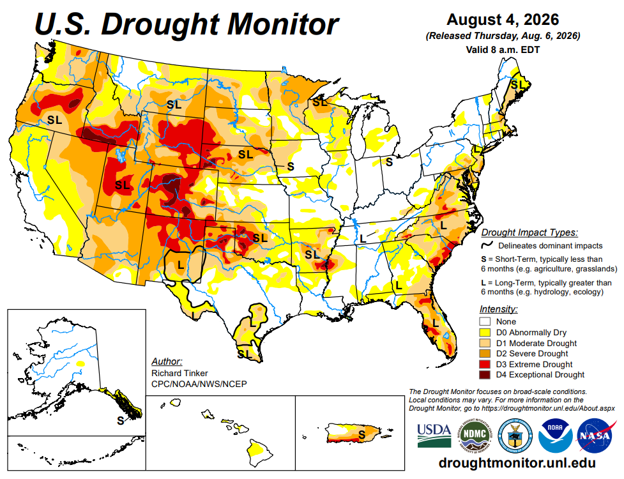
Drought Monitor
Here is the most recent drought monitor.
Contact an Ag Specialist Today
Whether you’re a producer, end-user, commercial operator, RCM AG Services helps protect revenues and control costs through its suite of hedging tools and network of buyers/sellers — Contact Ag Specialist Brady Lawrence today at 312-858-4049 or blawrence@rcmam.com.
188.8 bu/acre… Hard to find a silver lining in the report for corn as the USDA ripped the band-aid off from the start instead of slow playing it. The average trade guess was 184-185 bu/ac which led to a big selloff seeing new contract lows. On top of the big yield number the USDA took the FSA planted acreage data and added 3 million acres in planted corn. The extra yield and acres could add nearly an extra 1 billion bushels of corn to the US and world ending stocks. The report did nothing to help the direction corn has been trading.
The bean yield was also above pre-report estimates, coming in at 53.6 bu/acre. Prices were higher though following the 3 million acre planted acreage cut and total production cut by 90 million bushels. The market was caught off guard by the 3 million acre shift as evidenced in the opposite price reaction to the report numbers. The bean rally will give farmers a chance to catch up on sales but it will also motivate more acres to be planted in South America on stronger prices.
Equity markets continued to perform well as AI and tech companies are still the major movers. Nvidia and Microsoft are now a combined 15+% of the S&P 500 index, causing some to worry about concentration, but luckily they are performing well so right now a rising tide raises all boats (money in S&P ETFs).
Wheat was in line with re-report estimates and had no major surprises. The weakness in corn will continue to weigh on wheat however.
Cotton saw a boost post report after the USDA lowered planted and harvested acres. Production was trimmed by 1.39 million bales to 13.21 million bales.
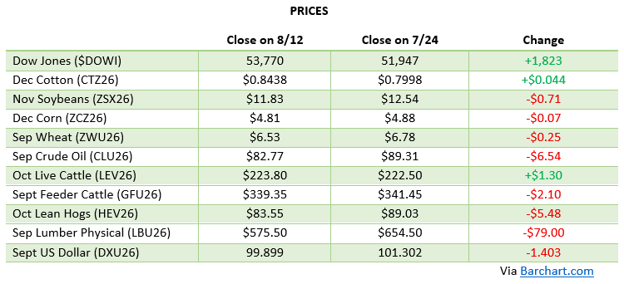
Drought Monitor
Here is the most recent drought monitor.
Contact an Ag Specialist Today
Whether you’re a producer, end-user, commercial operator, RCM AG Services helps protect revenues and control costs through its suite of hedging tools and network of buyers/sellers — Contact Ag Specialist Brady Lawrence today at 312-858-4049 or blawrence@rcmam.com.

Corn prices have drifted lower since Mid-July with no major weather issues and no major trade deal news. The corn crop ratings remain strong with about 73% of the US crop rated good/excellent and slking and dough formation ahead of average. Exports have slowed and funds have kept their short position about even last week. With the recent heat dissipating giving way to a cooler week, this crop has not been made yet but has not faced any prolonged growth challenges which continues to fuel the estimates into the 184-185 bu/acre. While this will be an impressive crop, from talking to growers across the country there are trouble spots due to disease and timing of rains which would help us get back to the low 180s which would give the market a bump. The market has been limping lower and will likely continue until something in the news cycle changes.
Soybeans have struggled lately as there has not been any news to boost the market. Exports this week were better but until China shows up as a buyer the demand for US beans is struggling on the global market. South America had a strong crop giving China more supply to buy so China may not show up until they have to unless prices fall enough to make them step in. Crop ratings remain strong, but the next month of rain will be important for pod filling and to get the crop across the finish line.
Equity markets continued to reach new highs before a sizeable pullback to end last week with the news of Trump firing the head of the BLS. AI and tech names continue to lead the way. Magnificent 7 stocks have had mixed reactions to earnings but nobody is sounding the alarm yet about tariffs as guidance remains steady.
Wheat has limped lower with corn and beans but saw good exports this week amid Ukraine’s sluggish exports.
The USD has strengthened in the last week but is still well below its year high. Historically this would have been supportive of agriculture exports but there are other factors in play this year.
The August WASDE report should provide some clarity and at least provide some new news for the market to digest and trade on for a bit.
Drought Monitor
Here is the most recent drought monitor.
Contact an Ag Specialist Today
Whether you’re a producer, end-user, commercial operator, RCM AG Services helps protect revenues and control costs through its suite of hedging tools and network of buyers/sellers — Contact Ag Specialist Brady Lawrence today at 312-858-4049 or blawrence@rcmam.com.
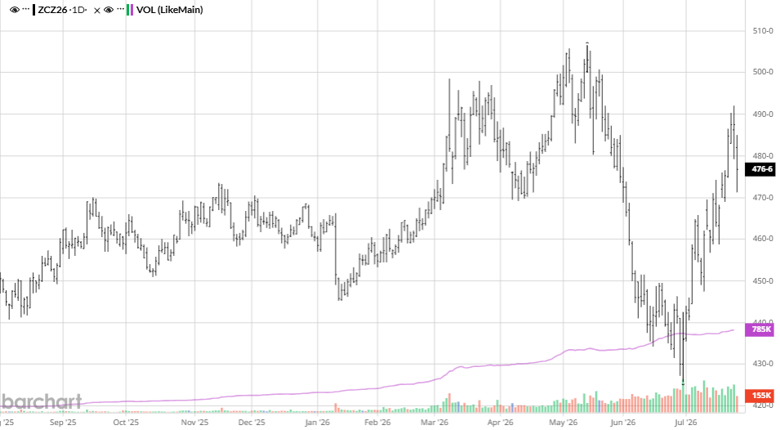
Corn continues to struggle but saw a solid bounce this week after hitting new contract lows. U.S. weather has largely been non-threatening, with most areas benefiting from favorable summer conditions—though pockets of stress remain, particularly in the Southern Plains and Southwestern Corn Belt, where upcoming heat could pose challenges. In South America, Brazil’s main corn crop is estimated to be over 10% larger than last year’s. With strong production expected from both the U.S. and Brazil, the global supply glut remains a key headwind, continuing to weigh on prices over the past few months. The corn crop had a G/E rating of 74% to start the week.
Soybeans, like corn, had a solid week following a recent dip. Prices have held relatively steady, trading in the $10–$11 range. Favorable U.S. weather has supported early crop development, but late-July heat could pressure some of the later-planted areas. Globally, Brazil remains on pace for a record soybean crop, while Argentina is facing some production challenges and policy-related uncertainty that has slowed farmer sales. November soybean futures ended the week just above all major moving averages (20, 50, 100, and 200-day), setting the stage for a key technical test as we head into next week. Beans had a G/E rating of 70%, better than expected.
Equity markets continue to push higher, setting new records as the AI trade returns to the spotlight ahead of earnings season. Meanwhile, the Trump White House is adding volatility, with markets reacting to shifting headlines around the future of Fed Chair Jerome Powell. While Powell’s position appears secure for now—at least through the next eight months—any change could rattle markets, as evidenced by the sharp reaction to a recent false report.
The last two USDA reports lacked surprises, good or bad, which has created a trade focused on weather.
The USD weakness continues as it holds around 98, off the recent lows of 96 and well below the recent highs around 108.
Drought Monitor
Here is the most recent drought monitor.
Contact an Ag Specialist Today
Whether you’re a producer, end-user, commercial operator, RCM AG Services helps protect revenues and control costs through its suite of hedging tools and network of buyers/sellers — Contact Ag Specialist Brady Lawrence today at 312-858-4049 or blawrence@rcmam.com.
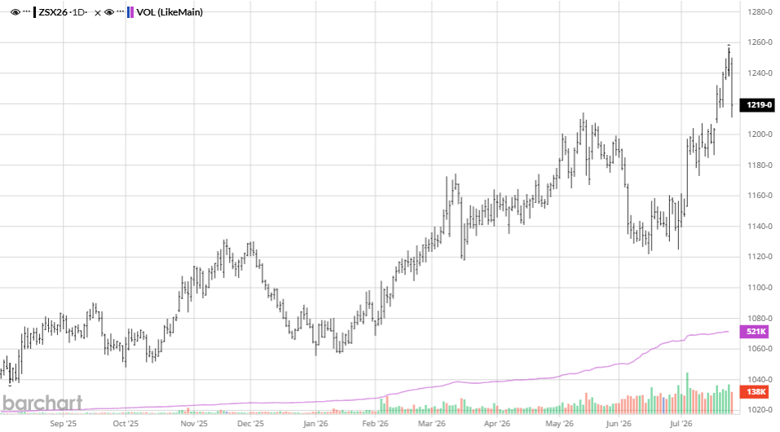
Last week was rough for commodities as corn dropped to make new contract lows in Dec ’25. The charts do not look good for corn and there is no good news to help either. There are no major weather concerns and South America is producing another record crop allowing for ample ending stocks in the world. The USDA June 30th Planted Acreage Report stated that corn has 95.203 million planted acres. This number is neutral to bearish as the market was expecting a slightly higher number but anything 95+ with the weather to this point in the year looks for a huge crop. The bears have the momentum right now but there are some trouble areas and a long summer ahead to bring the bulls some help.
Soybeans gave back the recent gains as well last week before the report on June 30th. Beans will likely continue to trade in the range they have been until we receive news to direct the market either on the trade agreement side or weather. The Planted Acres report had 83.38 million acres, slightly below expectations. The tax bill going through congress right now may give beans some help by getting rid of a 45z tax credit loophole but until this thing passes everything is on the table to get cut from it. Weather is good for the next 2 weeks so the market needs positive news from a US and China trade deal to give it a boost.
Markets set new highs after another V shape recovery following the liberation day tariff dip. Several tech stocks have led the way outside of the Magnificent 7 as AI continues to dominate headlines with spending continuing and companies talking about how it can help improve their margins.
Cotton acres came in higher than expected at 10.12 million acres. Cotton has been stuck below 70 cents/lb for a while and while the acreage number came in higher than expected we know there are issues with the crop and a lot of abandonment.
Wheat, like corn and beans, yawned at the report as the numbers were close to the average estimate with no major changes. After a mid June rally, the weakness to end the month was disappointing dropping 50 cents from the highs.
The weakness in the USD over the past few months will be something to keep an eye on as the year continues with it trading at levels we have not seen since early 2022.
Tensions in the Middle East continue despite a drawdown in aggression.
Drought Monitor
Here is the most recent drought monitor.
Contact an Ag Specialist Today
Whether you’re a producer, end-user, commercial operator, RCM AG Services helps protect revenues and control costs through its suite of hedging tools and network of buyers/sellers — Contact Ag Specialist Brady Lawrence today at 312-858-4049 or blawrence@rcmam.com.
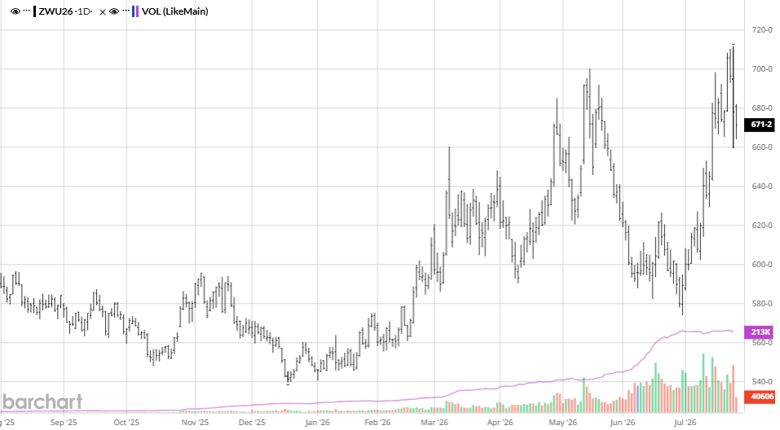
Corn continues to struggle with any rallies as you can see in the chart below every recent high is lower than the previous. The June 12th USDA report was lackluster with no real changes and not enough good news to give the bulls help. With the crop planted, 75% good/excellent, and non-threatening growing weather ahead, the bulls need a weather issue and/or positive trade news to change the direction of the market. The next major report is the June 30th Stocks and Acreage Report that tends to cause some volatility.
Soybeans received great news to end the week with better-than-expected biofuel mandates from the Trump administration. You can see how the news was received after a lackluster USDA report earlier in the week in the chart below. Beans will need to breakthrough recent highs or at least stay above the moving averages they broke through to keep some positive momentum as they are where they were back in February which is at least better than corn’s price movement. Planting should wrap up soon and good growing weather will move this crop along. Beans received one piece of good news in the biofuel mandates as they await news on any deal with China to help push higher.
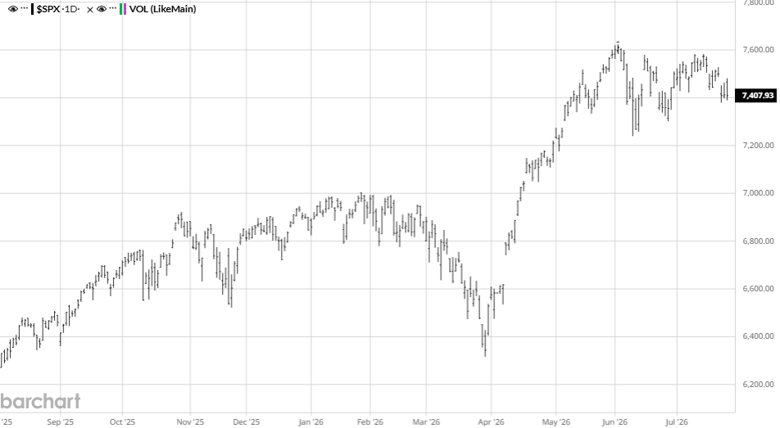
Markets have settled down after another V shape recovery following the tariff driven dip at the beginning of April. The leveling off slightly below all-time highs shows that the market is hesitant in what to expect moving forward but acknowledges that the initial reaction to tariffs with negotiations ongoing were an overreaction. While the market could fail here and move lower with negative trade news the biggest domino the market is watching is China while also keeping an eye on developments in the Middle East.
Israel and Iran’s conflict appears to be getting worse with more attacks while the US tries to position itself to lower tensions. Crude Oil prices will watch the news as a global economic slowdown vs lower production due to war would face off.
Cotton has been quiet with a lack of foreign demand with global economic uncertainty.
Drought Monitor
Here is the most recent drought monitor.
Contact an Ag Specialist Today
Whether you’re a producer, end-user, commercial operator, RCM AG Services helps protect revenues and control costs through its suite of hedging tools and network of buyers/sellers — Contact Ag Specialist Brady Lawrence today at 312-858-4049 or blawrence@rcmam.com.
RCM Ag Services is a registered DBA of Reliance Capital Markets II LLC. Trading futures, options on futures, and retail off-exchange foreign currency transactions are complex and involve substantial risk of loss and are not suitable for all investors. Loss-limiting strategies such as stop loss orders may not be effective because market conditions or technological issues may make it impossible to execute such orders. Likewise, strategies using combinations of options and/or futures positions such as “spread” or “straddle” trades may be just as risky as simple long and short positions. There are no guarantees of profit. You should carefully consider whether trading is suitable for you in light of your circumstances, knowledge and financial resources. You may lose all or more than your initial investment. You should not rely on any of the information herein as a substitute for the exercise of your own skill and judgment in making such a decision on the appropriateness of such investments. Opinions, market data and recommendations are subject to change without notice. Reliance Capital Markets II LLC shall not be held responsible for any actions taken based on this website or attached links. Parties acting on this electronic communication are responsible for their own actions. Past performance is not necessarily indicative of future results.