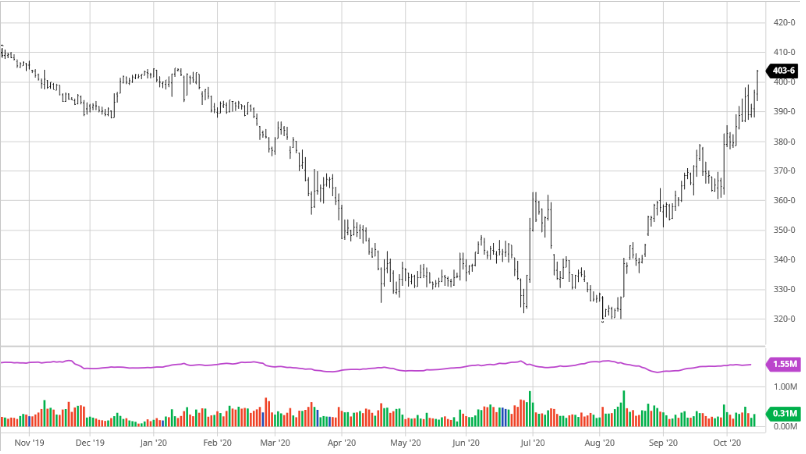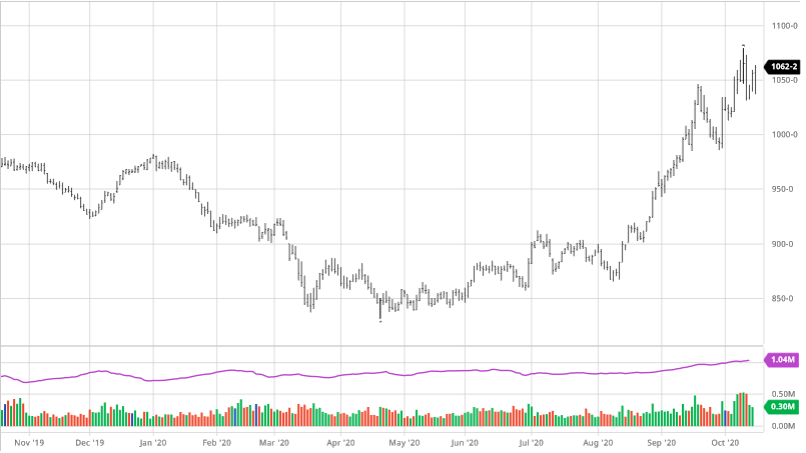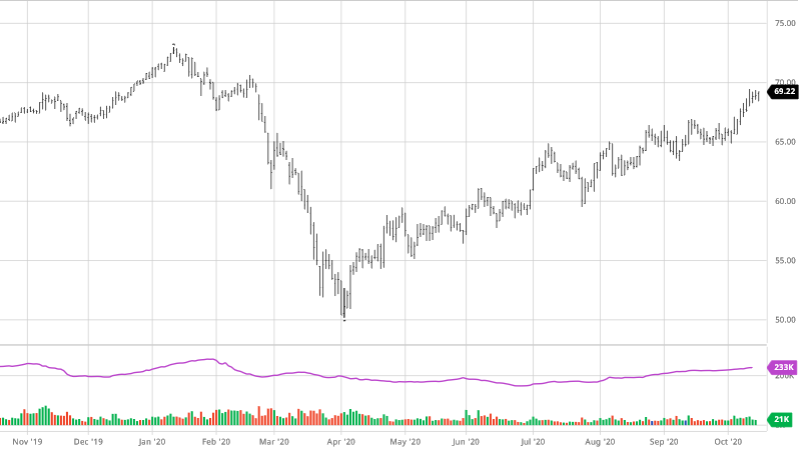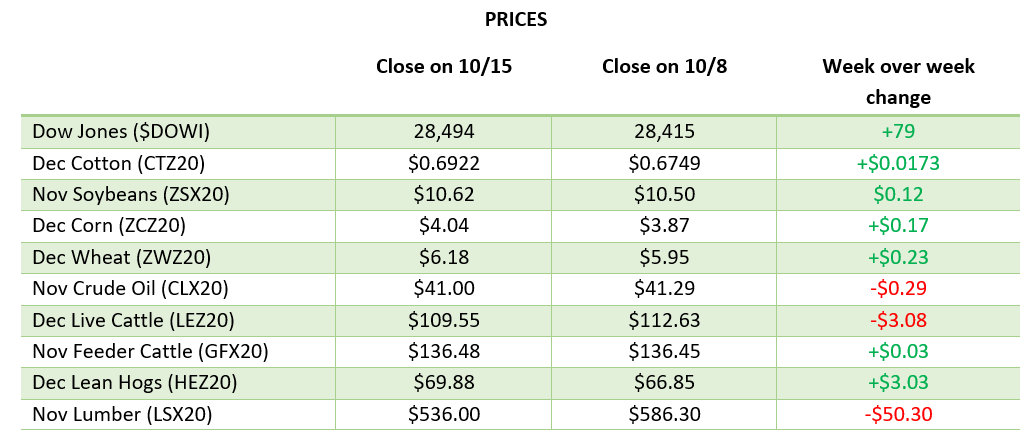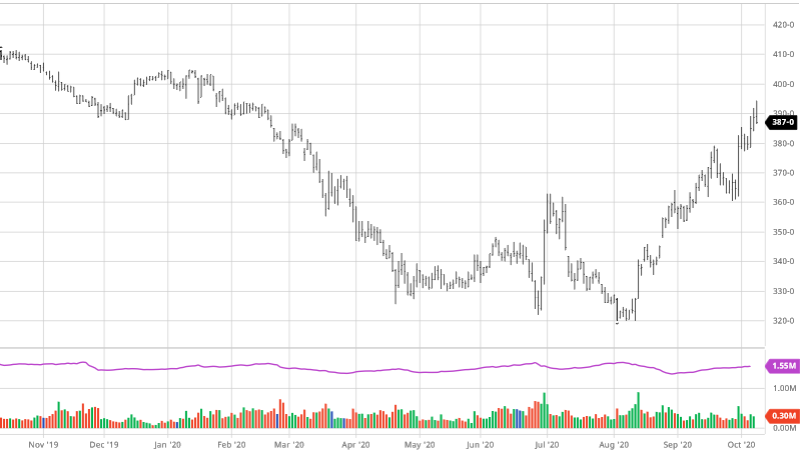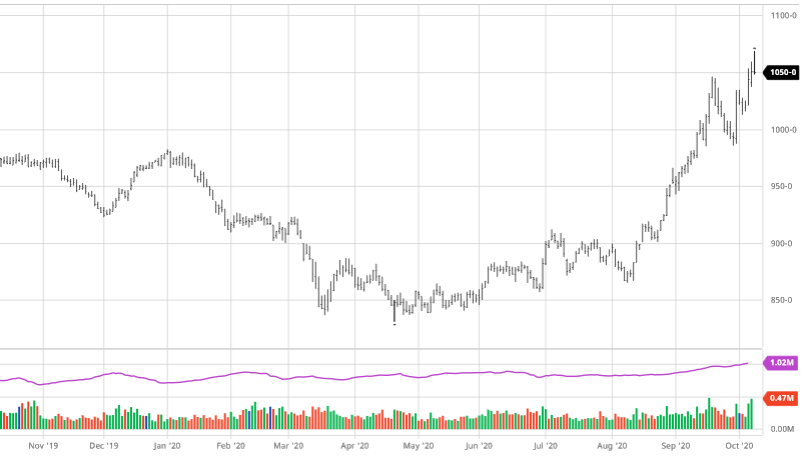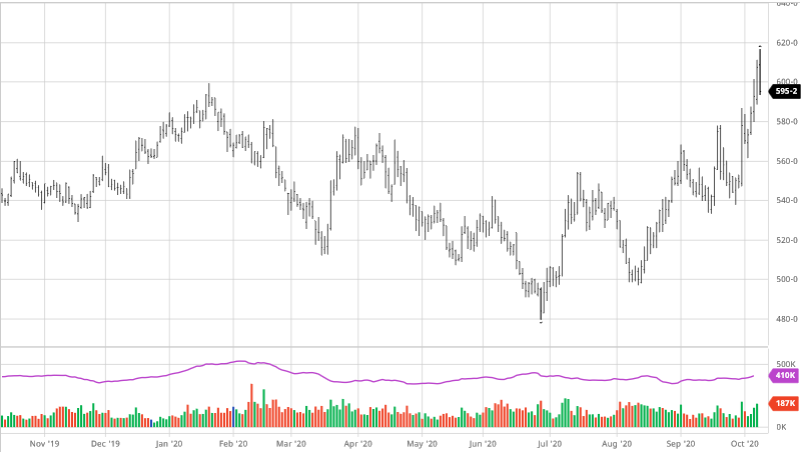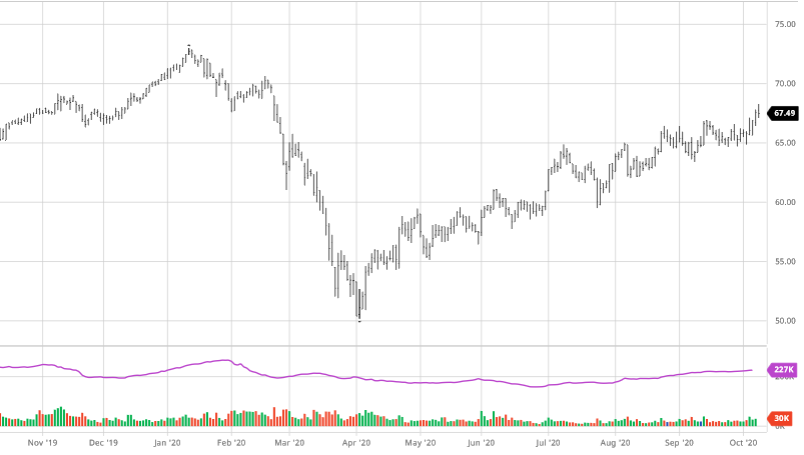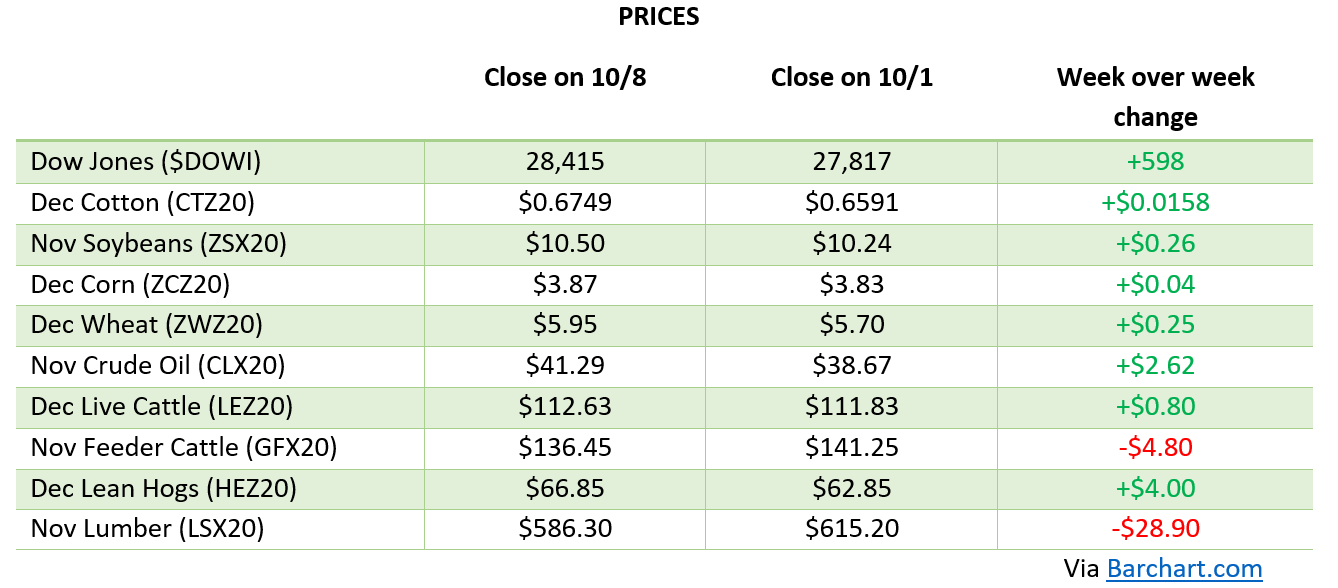


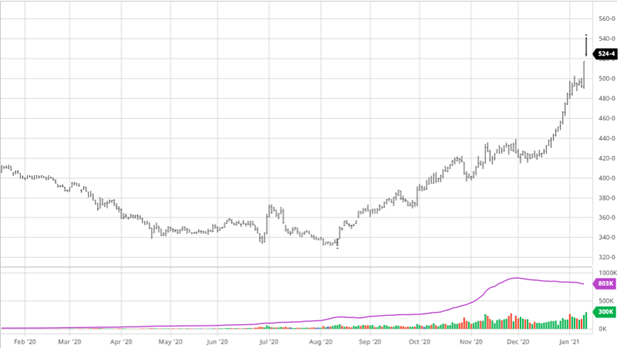
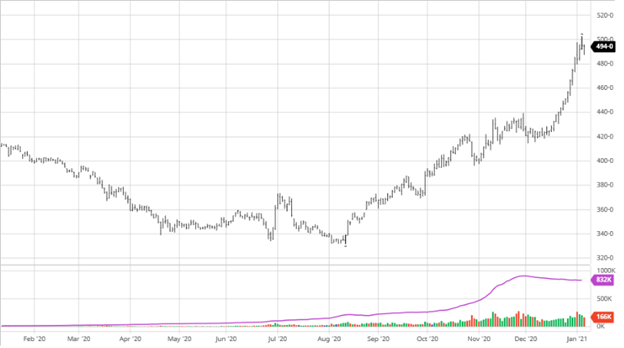
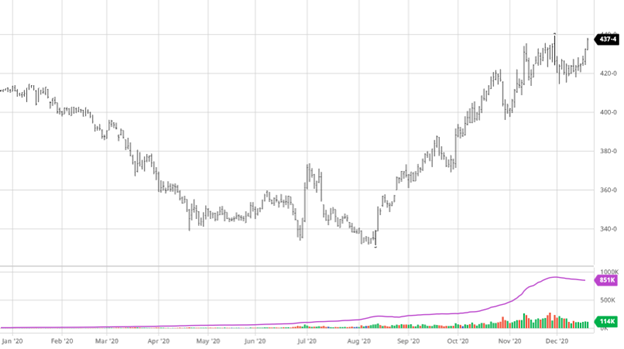
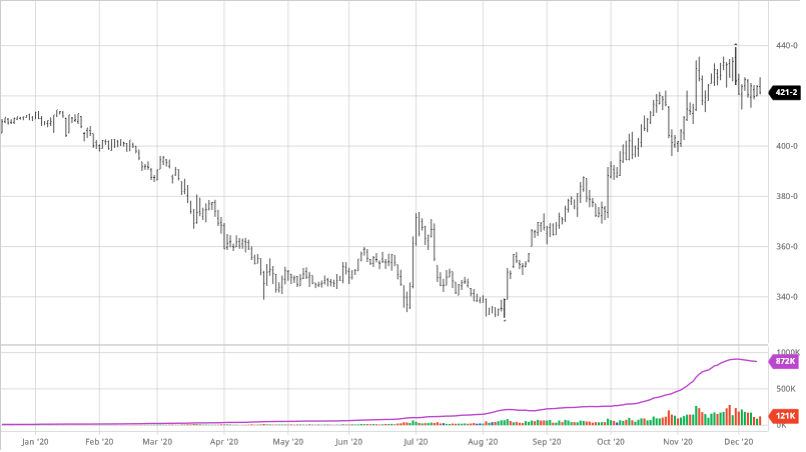
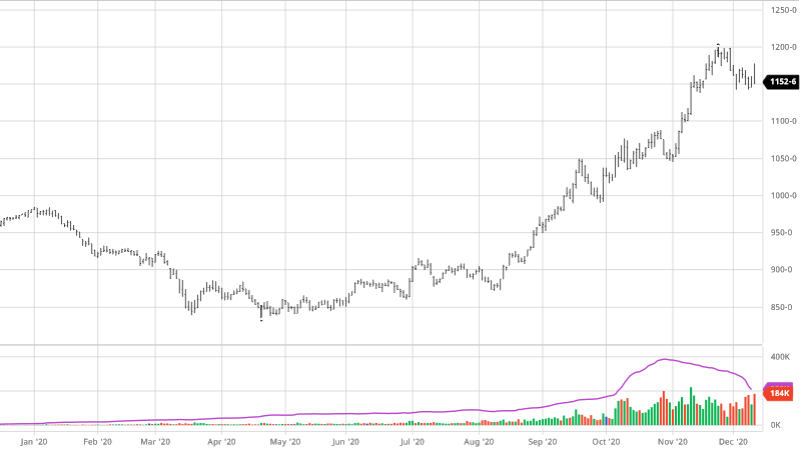
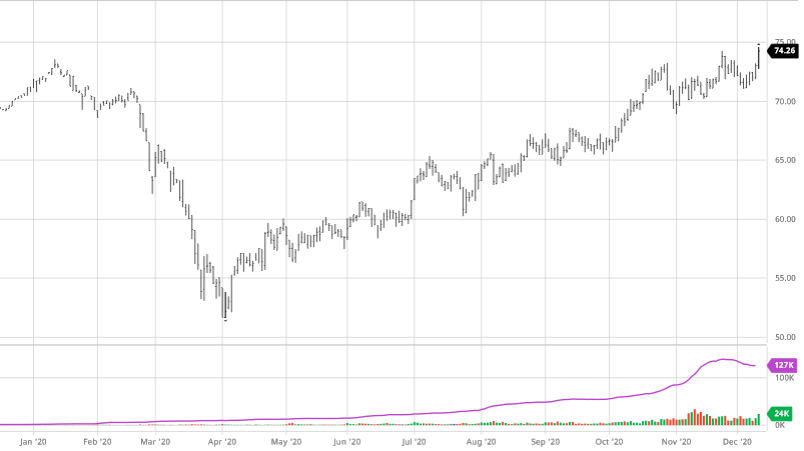
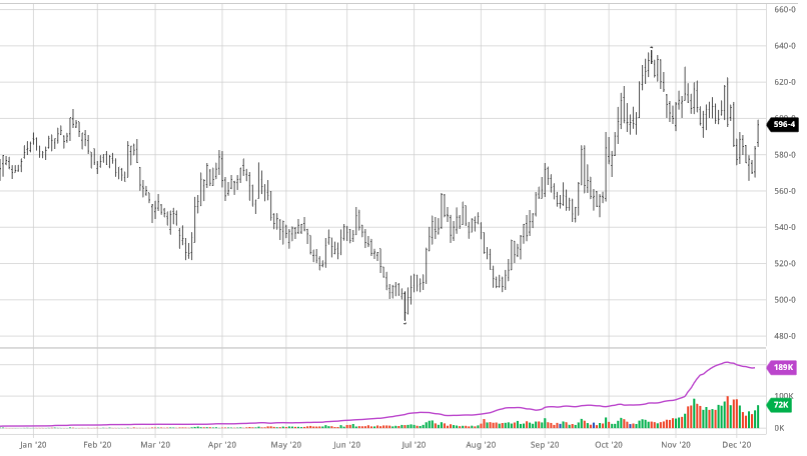
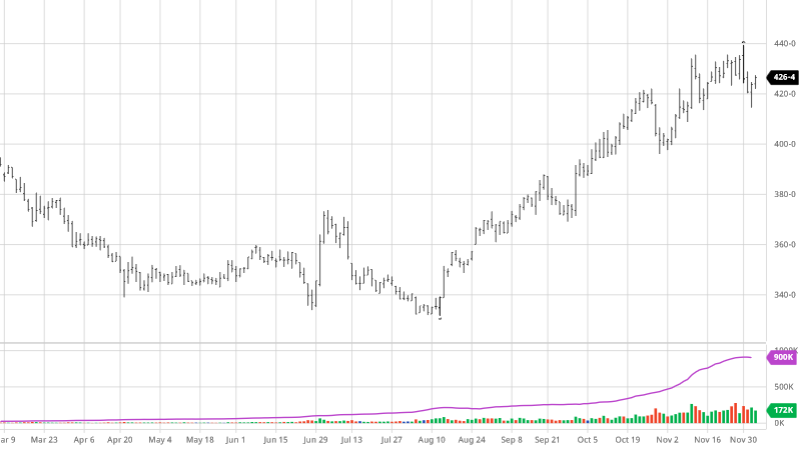
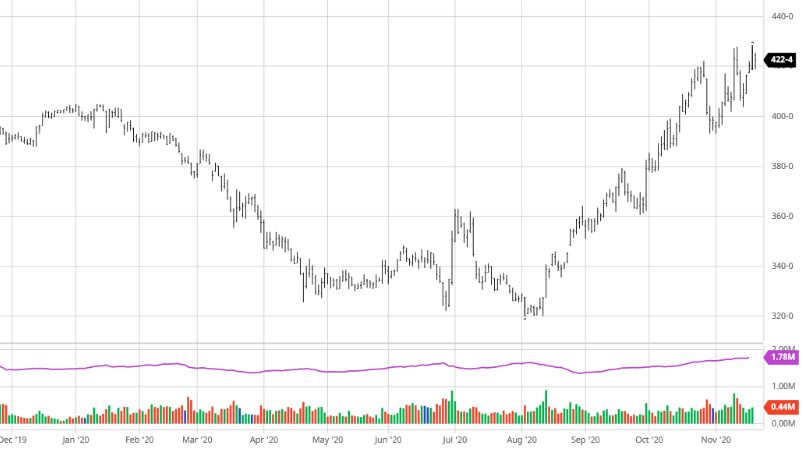
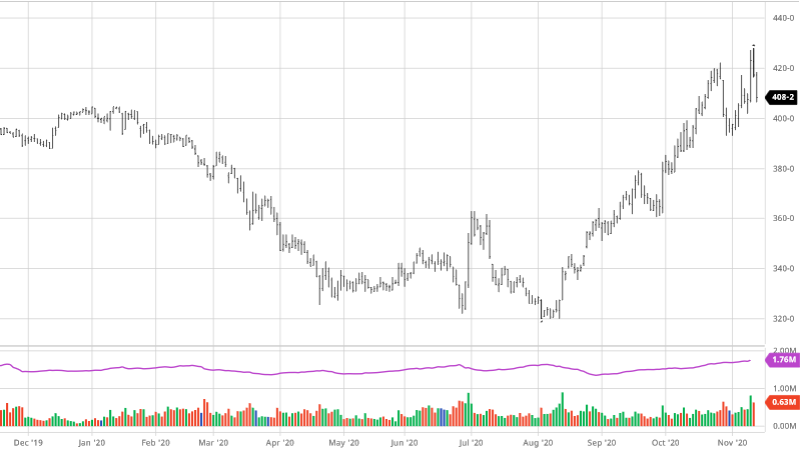
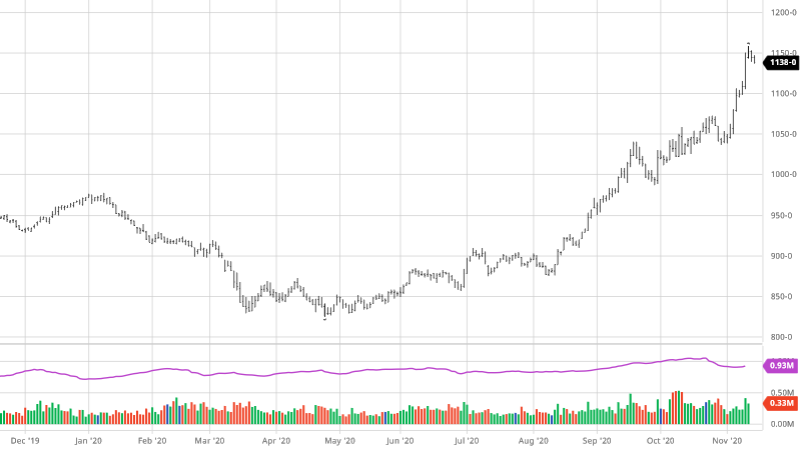
Corn gained on the week as it made up for the fall to end last week. Export numbers continued to be strong and Brazil’s harvest has faced delays. A huge corn sale to China announced Tuesday morning was welcome news as well as record ethanol bookings into China through ADM helped. This looks to continue into the spring as Brazil is struggling with their pace of shipping as well as the harvest delays. US corn is still very competitive pricing on the world stage which is also supportive. This is important because it keeps exports going as demand continues to ramp up around the world as well as when there is a selloff by the funds it is a buying opportunity for other countries. The volatility of the last week has been important to keep an eye on as we have seen some wide ranges traded within one day. As we have seen some big run ups in a day, we have also seen fund selling to bring it back down. As you can see in the chart below the intraday range over the last week has been larger compared to how we got here. As flooding continues to cause harvest delays in Brazil, mostly in beans, this will be important to keep an eye over the next few weeks heading into corn harvest.
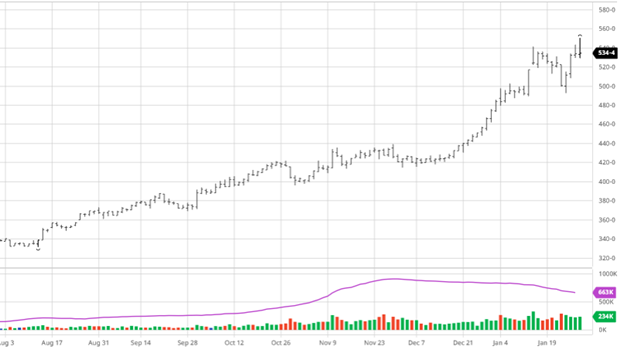

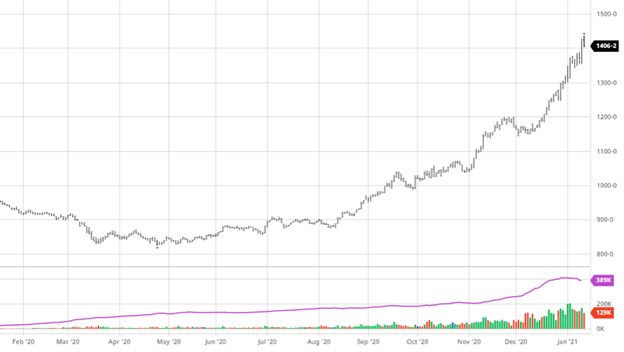
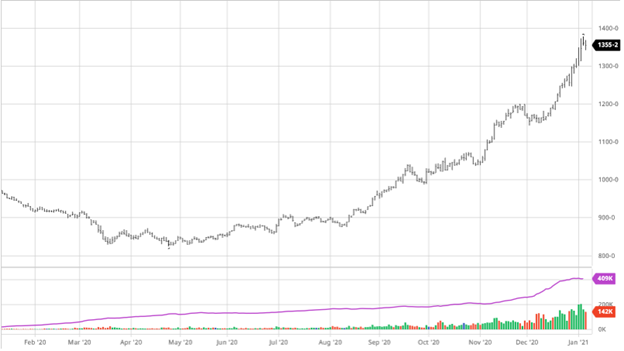
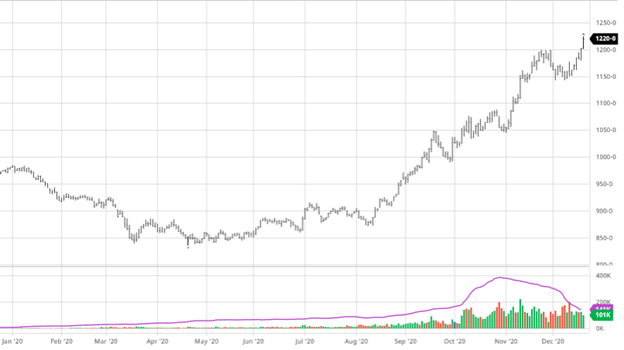
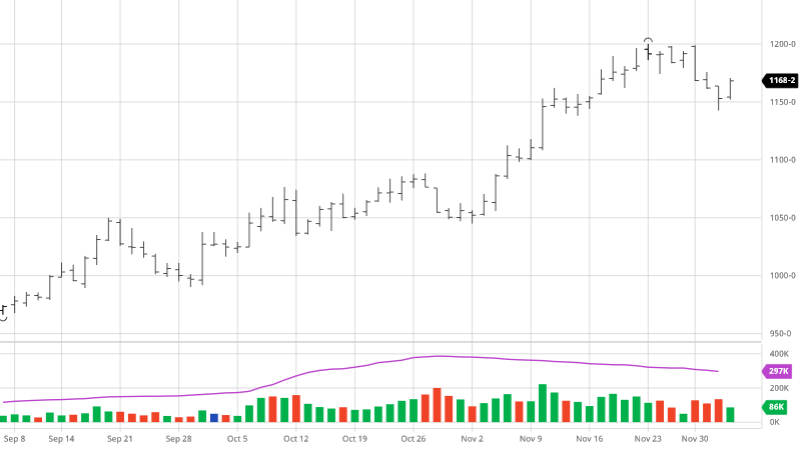
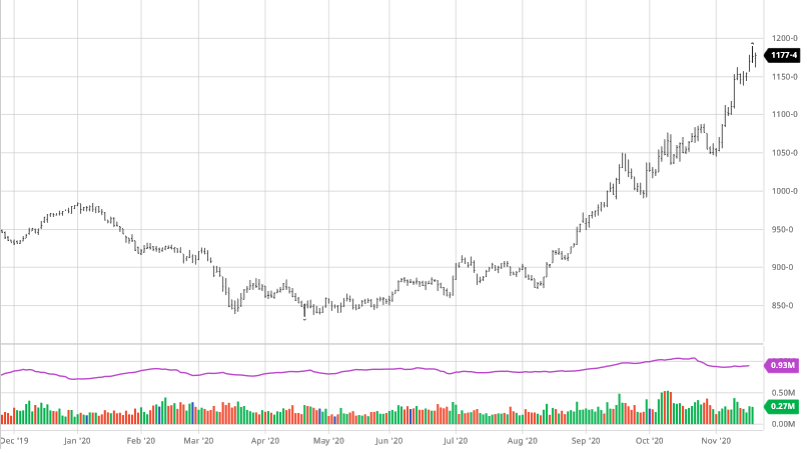
Soybeans lost again this week with most of the losses coming from last Friday’s sell off and have seen a good bounce back from the low of $12.98 Monday morning. The flooding in Brazil has caused delays and other issues with bean harvest. Despite large exports the past week the early rallies on Thursday fell through to losses on the day closing below the 20 day moving average. Funds have been selling on the recent rallies which, like today, may continue to be the trend as funds take profit on this impressive run. The outlook has remained bullish as fundamentally the demand is still there and South America’s struggles may continue hurting their yield. Argentina’s crop condition is below 20% good/excellent and last year it was at 70% this time last year to shed some light on how much their crop is struggling. China will need to continue buying any dip down caused by fund selling but if they stop and funds sell the immediate support of sales would disappear. After this run up a pause and drawback may have been needed as we await South America’s harvest but how the month/week ends will be critically important heading into February.

Dow Jones
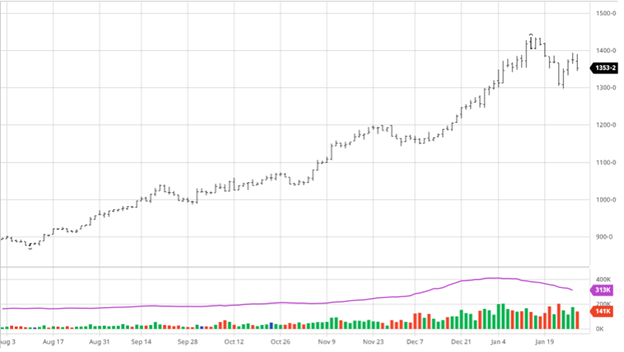
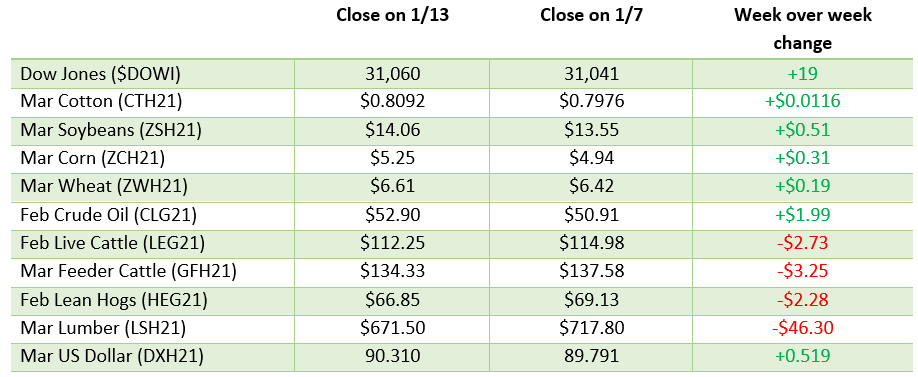
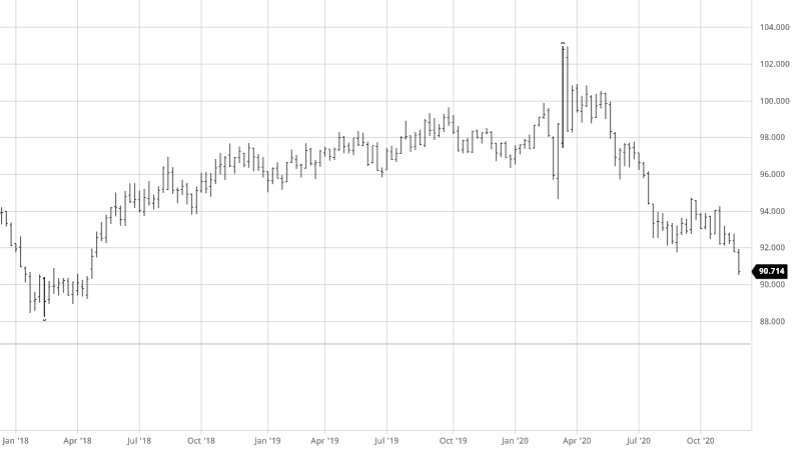
The Dow lost on the week amongst a lot of volatility (I’m not going to get into the whole GME, AMC, etc drama). Vaccines continue to roll out as states struggle to implement their vaccination strategies while on the federal side the government is trying to get states more so they can ramp up a somewhat dysfunctional rollout. Despite the struggles the good news is we can see the light at the end of the tunnel. Many investors are bullish for 2021 as we come out of a year long lockdown while some still think we are due for a correction at some point.
January USDA Report
The RCM Ag team had a roundtable discussion following the January USDA report. Here are the links to view/listen to it on your platform of choice.
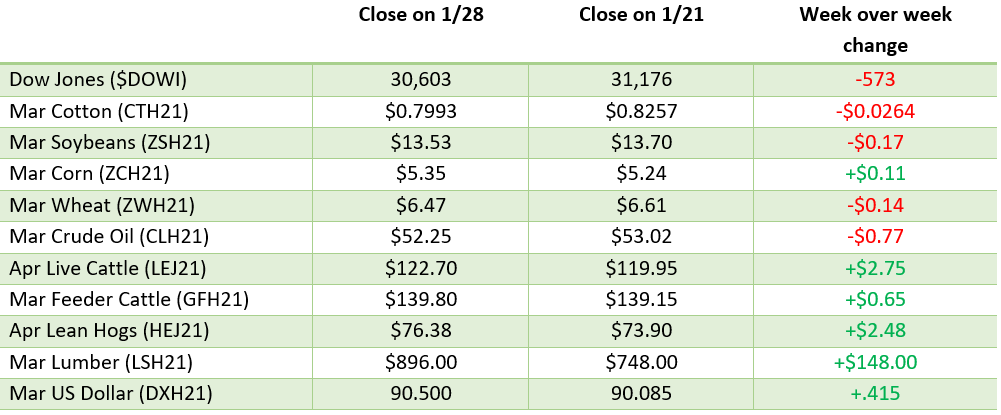
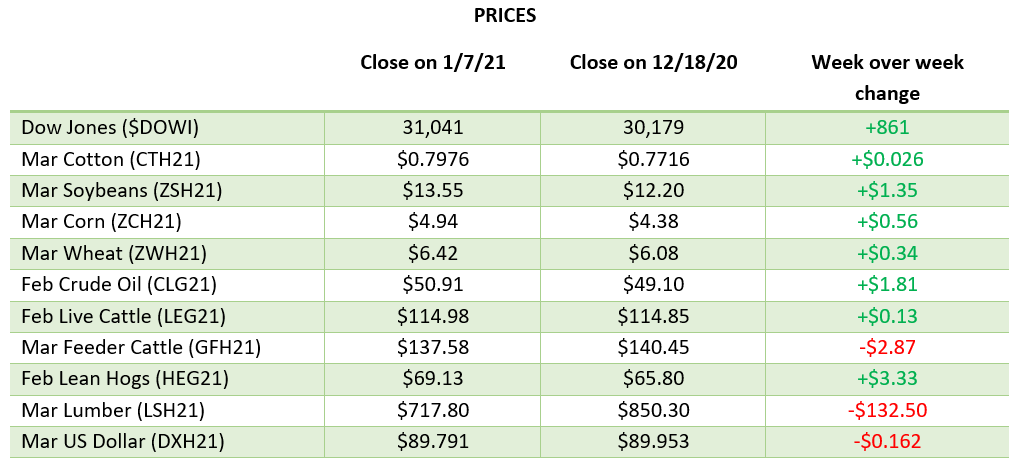
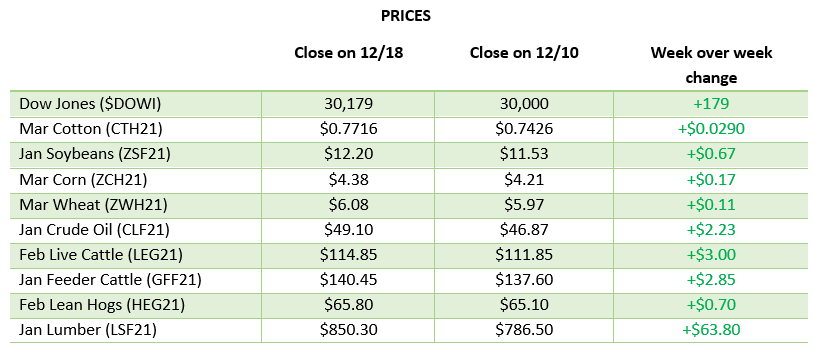
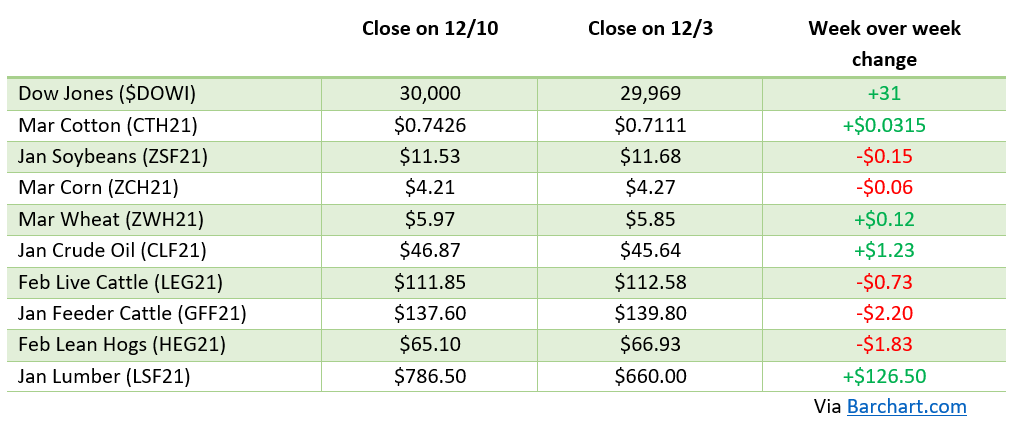
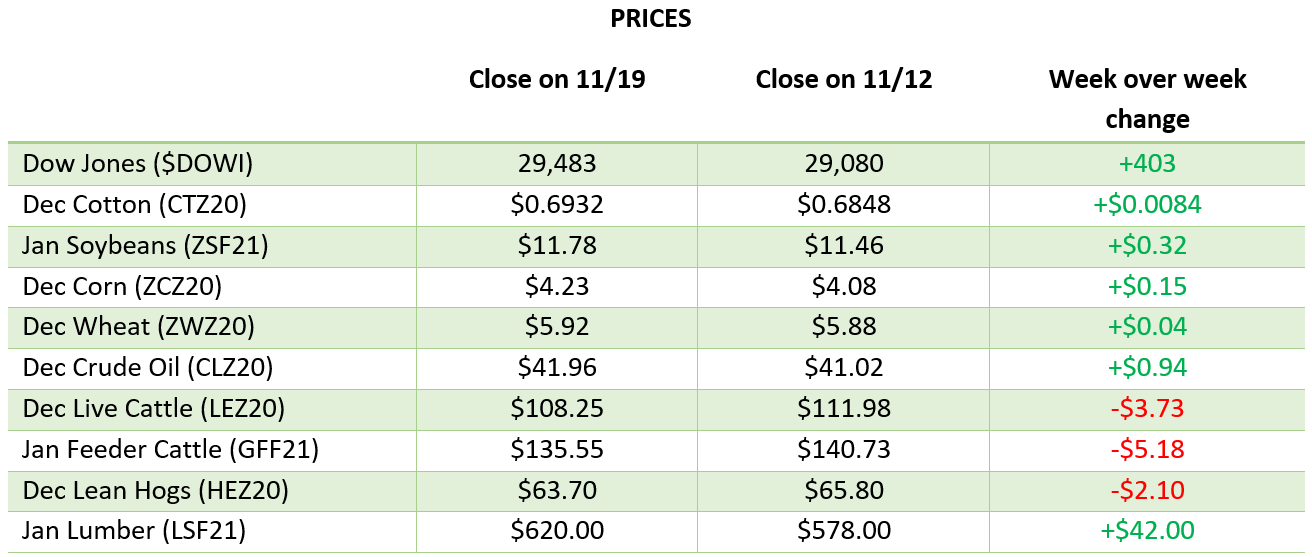
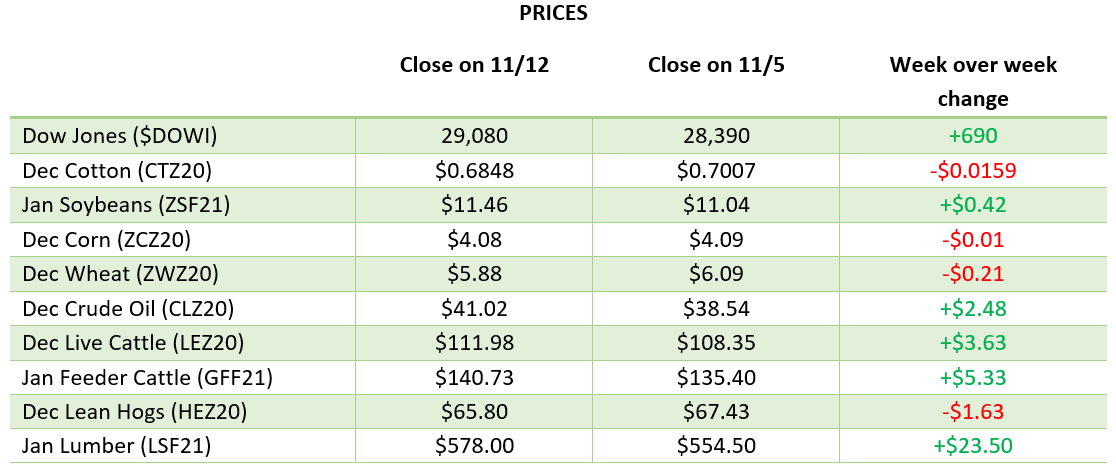
Weekly Prices


 ,
,
 Via
Via