

Tag: cotton markets

31 Jul 2020

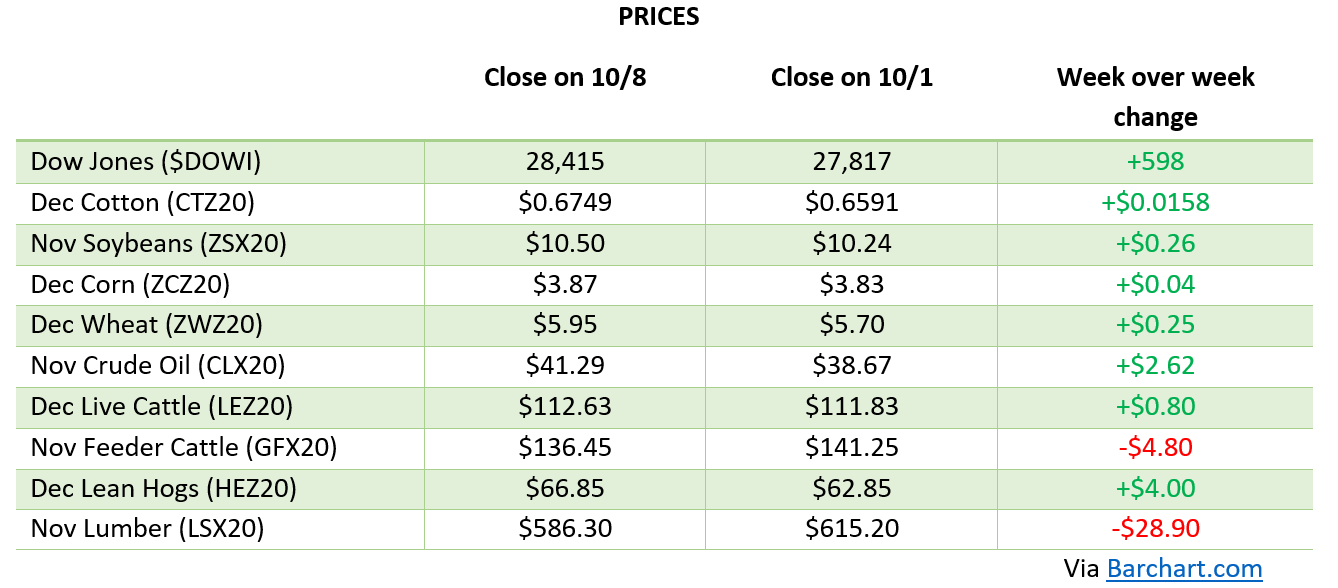
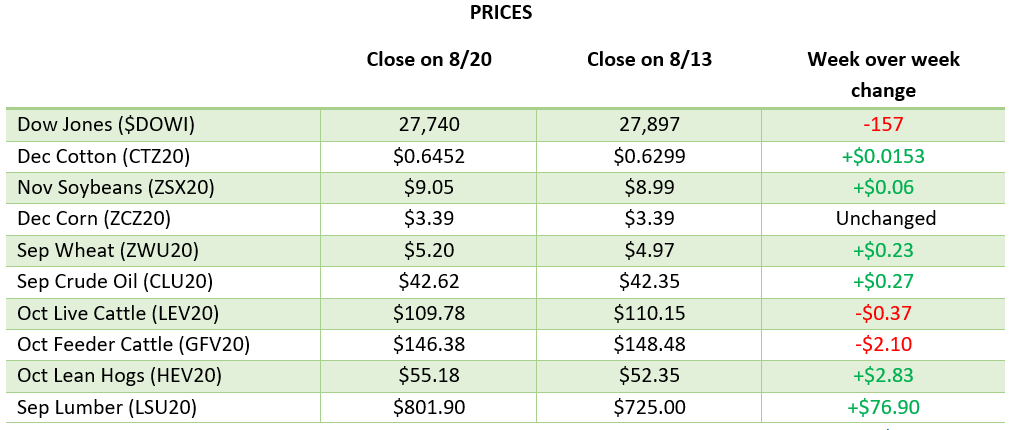
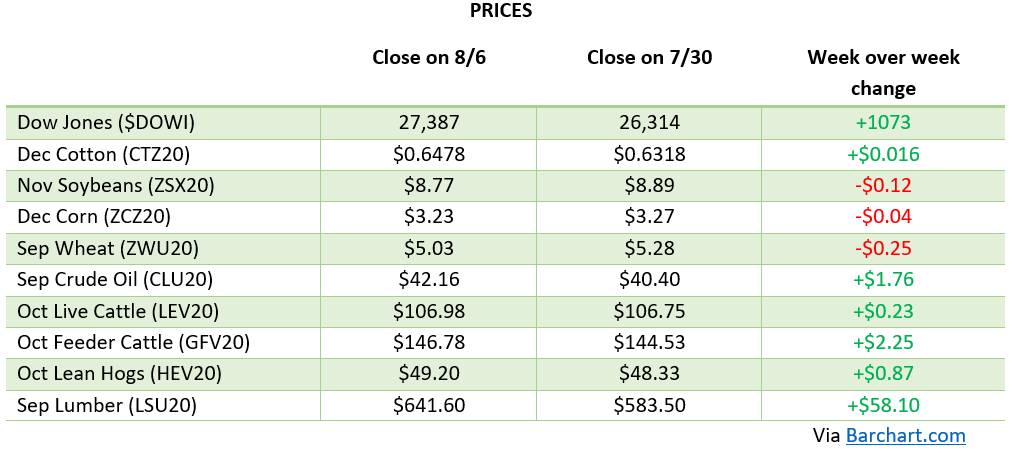
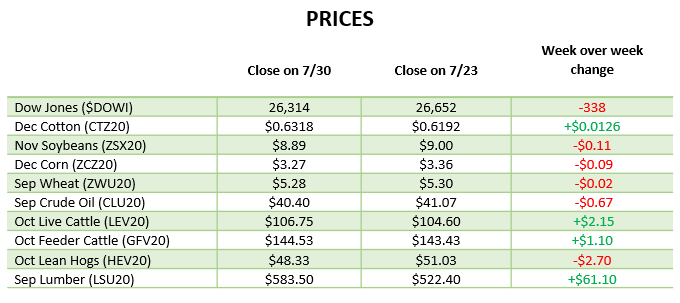
Ag Markets Update: July 25 – 31

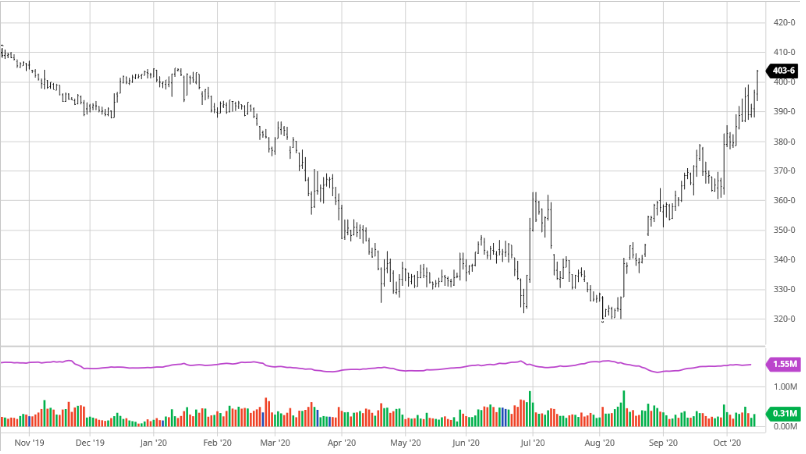
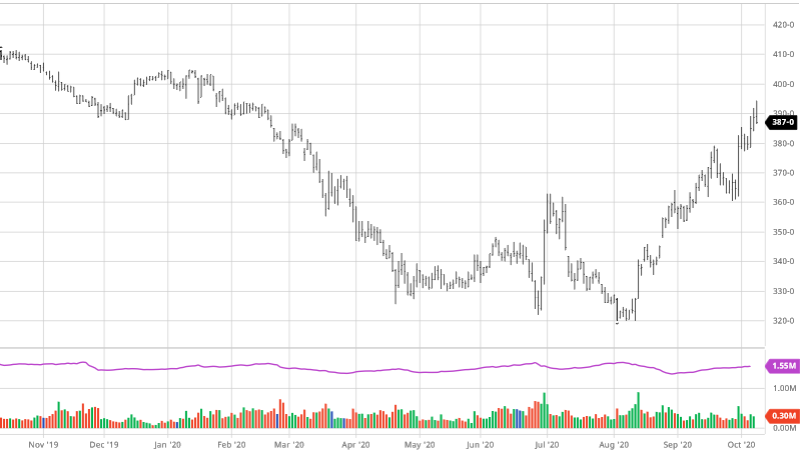
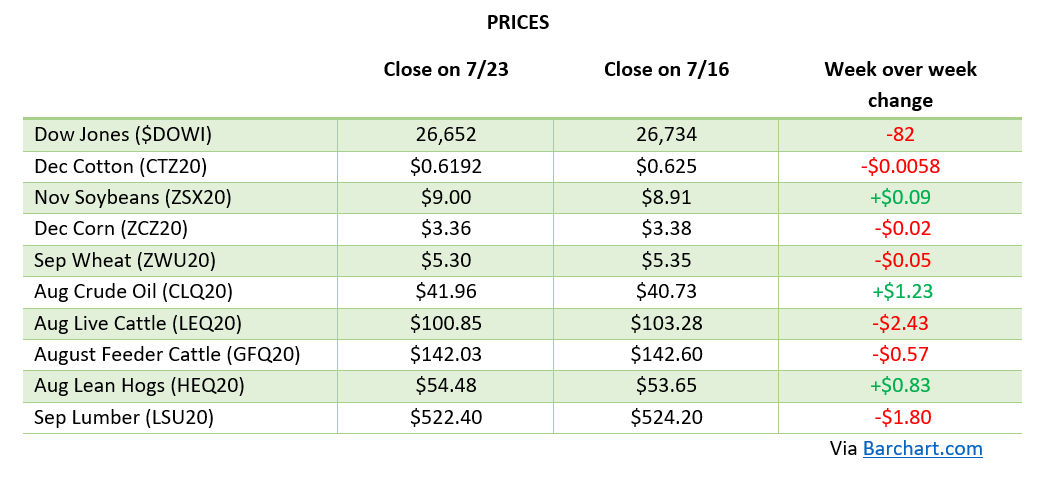
As weather across the country continues to be supportive for the crops corn prices have dropped. The past few weeks of timely rain and cooler temperatures has put a trend line or record national yield very much in view. From talking to farmers across the country many think this has potential to be one of their best crops and as great as that is everyone knows the larger the yields the lower the prices tend to be. With China well behind on their phase 1 trade agreement purchases, corn will need to get support elsewhere unless China decides to ramp up their purchases in the second half of 2020. Keep an eye on the flooding in China as they have lost over a million acres of farmland and will tighten their supplies. The higher crop conditions this week did not help prices either as they came as a surprise.

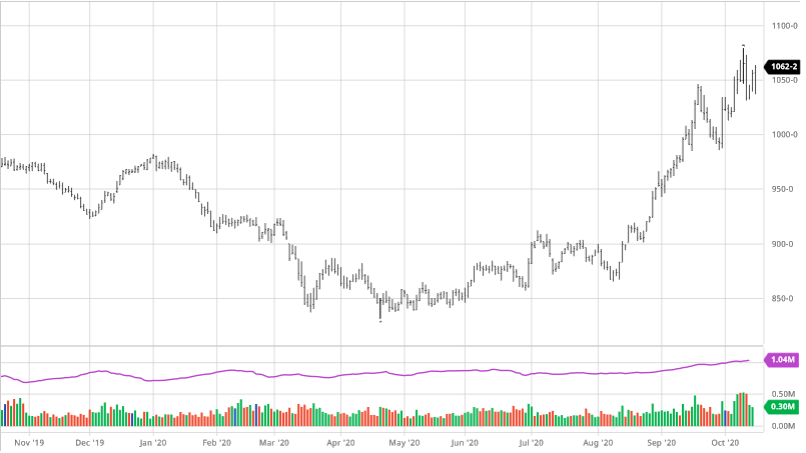
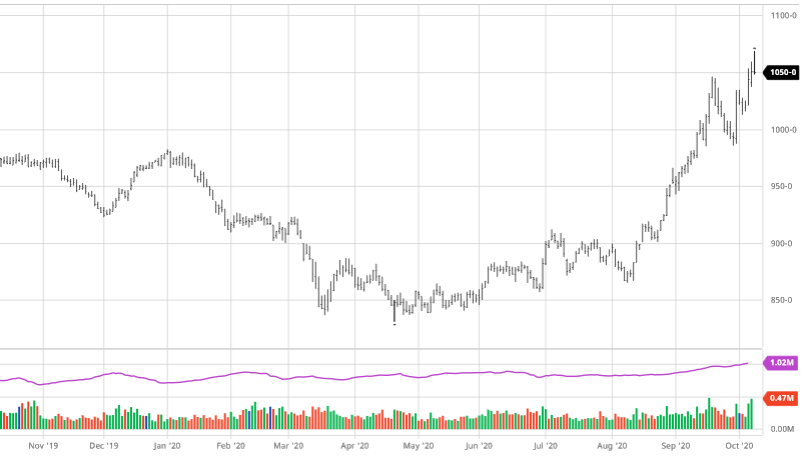
Soybeans and corn are in a similar situation where large yields are very much in play due to the weather of the past month and what looks to be coming. Soybean exports continue along at a good pace but nowhere near the Phase 1 agreement numbers that were expected. If China can ramp up their purchases in the coming months beans can get a boost that is unlikely to come without a weather problem. The good export news of late has been offset by good weather and higher expected yields which is frustrating seeing bullish news be uneventful for prices.

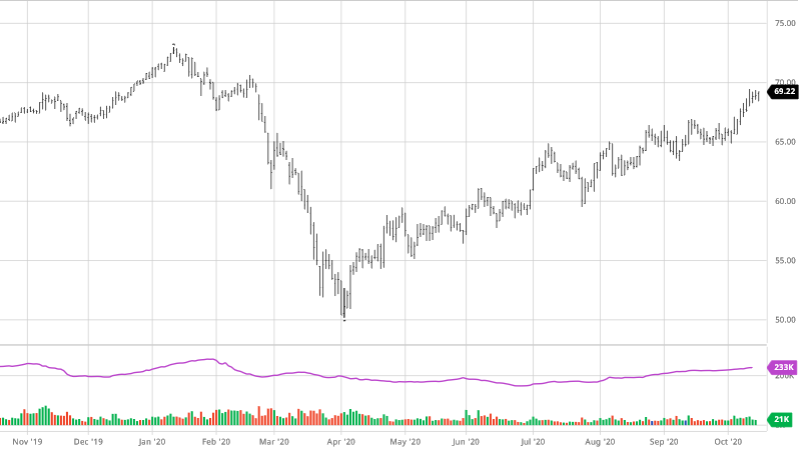
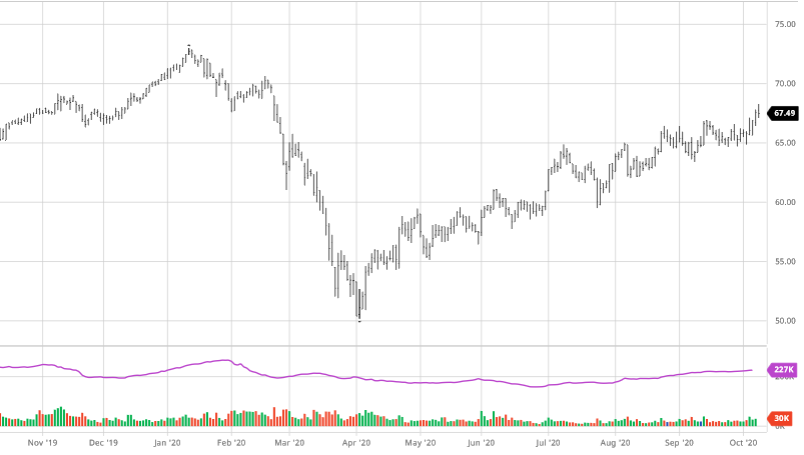
After a short term pull back from the near term highs markets bounced off a technical low and appear poised to give the highs another run.  Weather watchers will be tracking hurricane Isaias and it’s potential impact to the delta over the weekend.  In many cases the fear of hurricanes has been bigger than the actual punch.  In reality, following the storm days in advance does little good and is often a story of buy the rumor and sell the fact.  Look for prices to test the 65 cent level and be prepared to increase hedge protection above 63.50.


DOW Jones

The Dow continues its slight downtrend this week as Covid-19 cases remain high in many parts of the country. Despite good vaccine news coming out this week as several promising candidates move onto the next phase of trials, the Dow fell again. All eyes were on Capital Hill this week as Google, Facebook, Amazon and Apple’s CEOs were questioned by politicians looking at anti-trust issues. These were not huge market movers but something to keep an eye on as these companies have helped lead the charge up from the lows back in March along with other big tech companies.

Via Barchart.com
24 Jul 2020

Ag Markets Update: July 18 – 24

Corn held relatively steady this week after falling the past few weeks due to the June crop report. Exports have stayed consistent, but the lack of any weather problems is keeping corn in the range it is in. The cooler forecast with enough rain to support the crop is going to prevent upward price movement with the possibility of a 178 (trend line) yield still in play. China is the main buyer of U.S. Corn right now as major rains that are threatening the Three Gorges Dam area and throughout the Hubei Province have wiped out much of the non-U.S. crop.

The U.S. Department of Agriculture announced China’s largest ever corn purchase from the U.S. on July 14, totaling 1.762 million metric tons for delivery in 2020-21, and U.S. Grains Council President and CEO Ryan LeGrand tells Agri-Pulse that it’s more proof that demand is on the rise.

“We’ve always believed the demand is there,” LeGrand said. “They have been suffering from African swine fever, but they’re ringing the bell on these corn purchases.” (Ag Week)

Continued Chinese buying would be some good bullish news to balance out the bearish good weather news.

Soybeans gained on the week to reach the $9.00 mark again. China made several large purchases of U.S. soybeans this week despite the continued rising political tensions. The same destructive rains in the Hubei province that are wiping out corn will continue to have China buying U.S. ag products to make up for their potentially huge loses. The crop condition report this week was uneventful and as we approach the important stage for soybeans they look to be in good shape with the forecast being friendly as well. Beans have seemed to have had support at the 20 and 50 DMAs recently, so that should help moving forward even with the positive forecast.

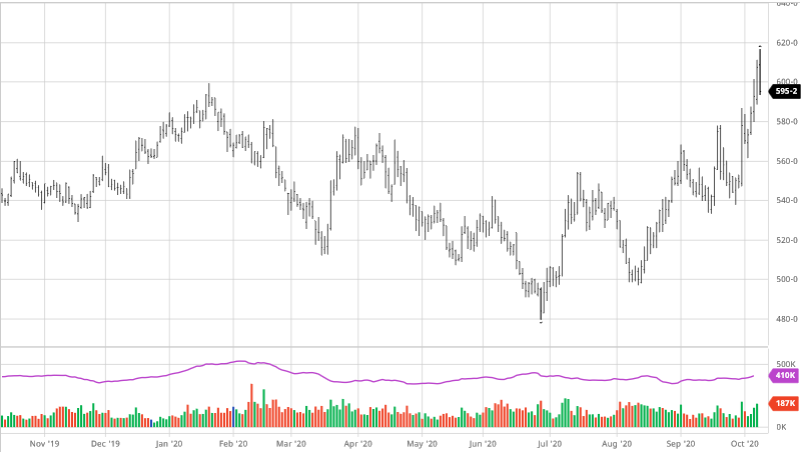
A West Texas drought has been supportive for prices, but the lack of demand is the ultimate issue as prices can only move so high. If a healthy amount of rain moves into West Texas, look for prices to fall as a good yield and no buyers would present another problem. A weakening U.S. dollar may also provide some help as a lower U.S. Dollar means U.S. cotton is more affordable to other countries. In Other News see more info about the weakening U.S. Dollar.


U.S. Dollar
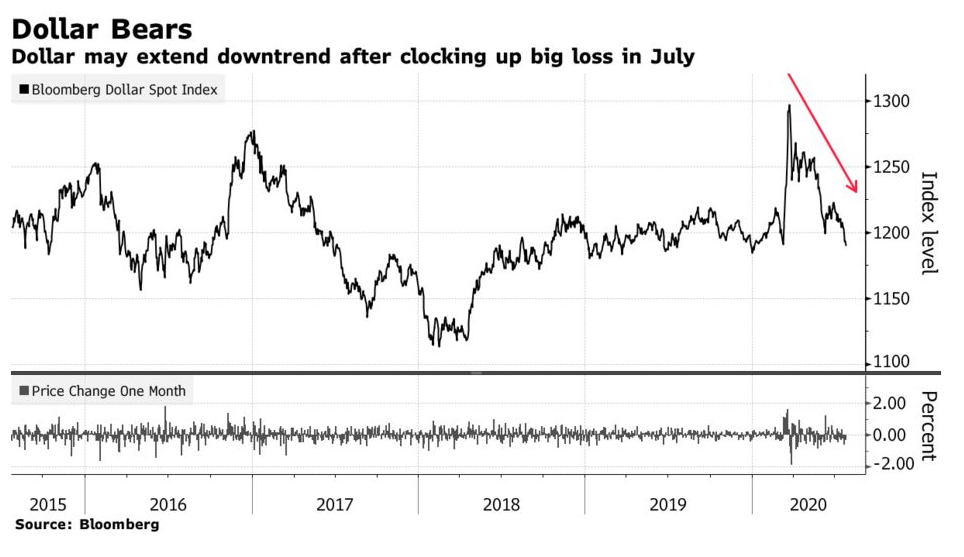
The Dollar has fallen 9.1% and made new 9 ½ month lows in today’s trade. With record U.S. debt and another stimulus package on the way, the Dollar has devalued endlessly by continuously running printing presses in DC. This is generally good for commodities as it indicates raw material inflation is on the horizon and that U.S. prices become more competitive as other currencies rally against the Dollar. Even though mildly helpful for the Ag industry, it’s not enough to fix the current oversupply problem.


(Bloomberg)

05 Jun 2020

Ag Markets Update: May 30- June 5

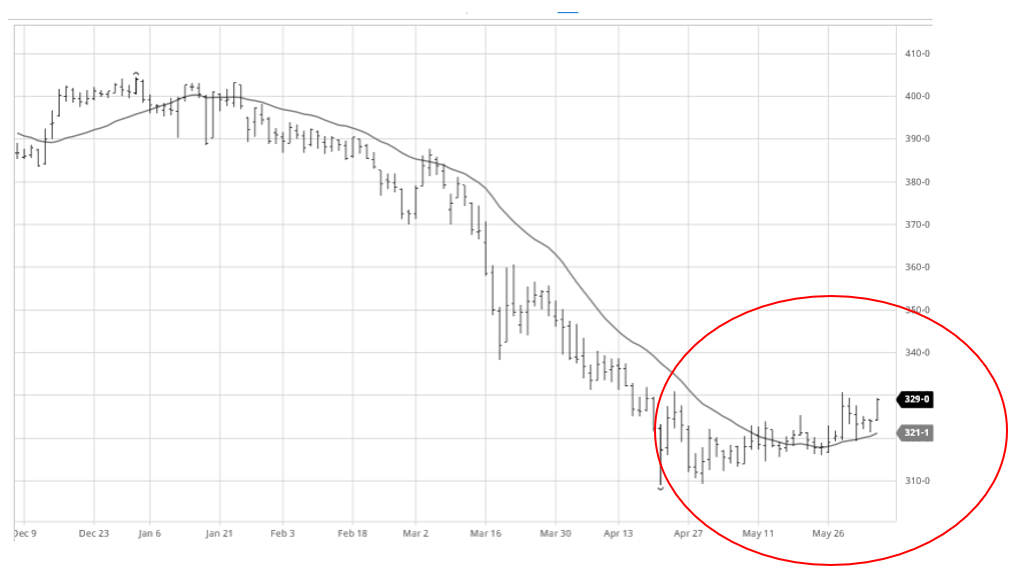
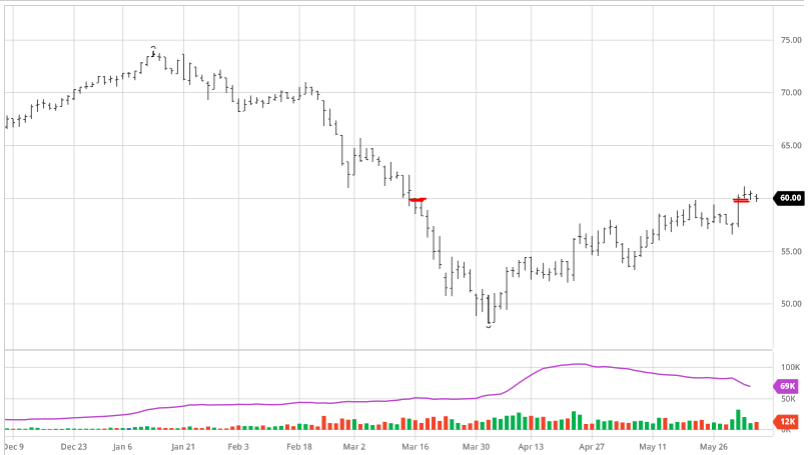
Planting is close to done in most parts of the country with over 90% of corn in the ground. Now the focus will turn to weather as early growing season is an important time. With a tropical depression in the gulf, it makes it difficult to predict future weather patterns as they are constantly changing. One model predicts for a drought type pattern in the southern plains and western corn belt as the tropical storm Cristobal pulls a lot of energy, so we’ll see how that pans out. Corn prices have been steady the past few weeks with few purchases to get excited about and no early problems to the U.S. corn crop. As long as yield estimates for U.S. corn stays high, there does not seem to be many reasons for a rally unless there is a weather event or we start to see large purchases. Ethanol production has remained steady as reserves are starting to go down, which will hopefully lead to more plants opening back up. The chart below is for July corn and you can see the change in the 20 day moving average as it has begun to tick up.

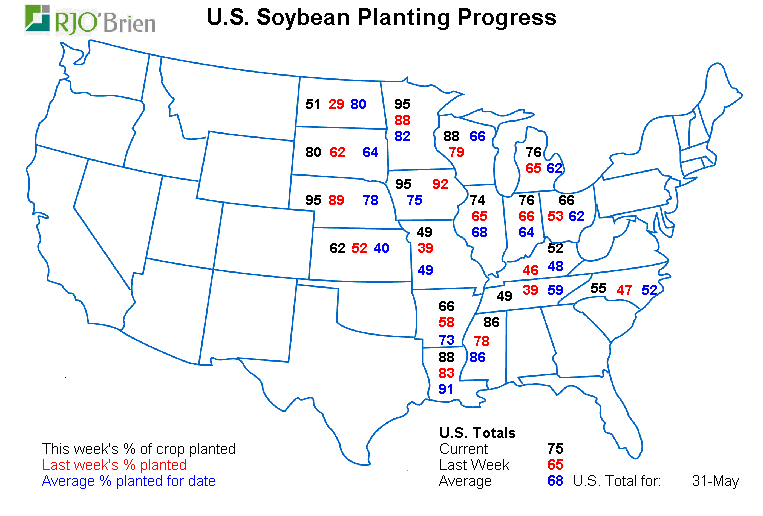
Soybean prices got a boost this week as Chinese buying continued, despite the government telling companies to quit buying many U.S. Ag products in retaliation to Trump’s comments and policies about Hong Kong last week. Despite what people thought would initially hurt Chinese purchases, tensions seem to be cooling between the two countries (for now). A huge week of soybean meal exports helped fund short covering that gave beans a big boost on Thursday. Continued buying from China would be very supportive for beans, but a decline could see a retreat after recent strength. Look for bean planting to continue its good progress over the next week.

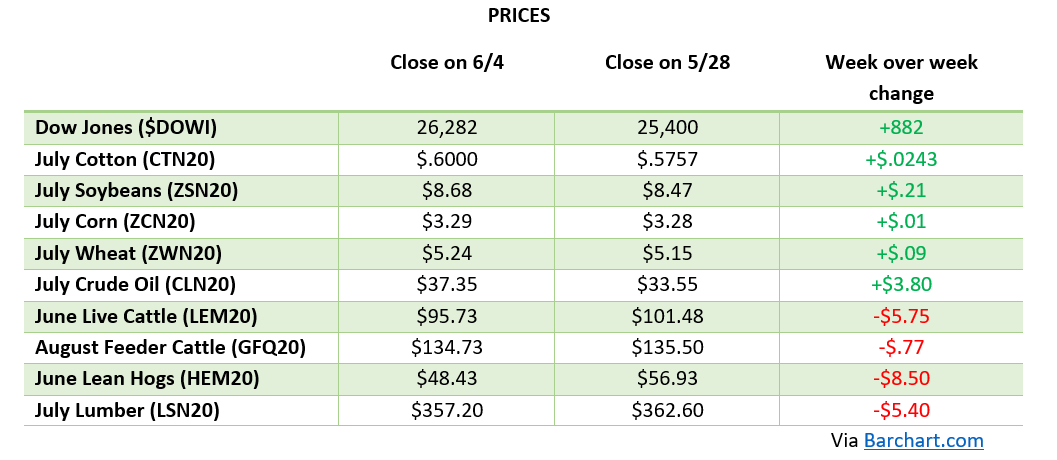
Cotton traded above $.60/pound this week for the first time in the July contract since March 16. Rising futures prices with smaller open interest usually leads to a price reversal, which this price move has seemed to follow. With more open interest in the December contract month, look for more volatility moving forward as speculators will look there. We are barely into the start of hurricane season and already on hurricane number 3 forming in the gulf. A long and consistent hurricane season could do a great deal of damage to the southeast Cotton crop. Cotton has always been sensitive to the U.S. dollar, so a weakening dollar the last couple of weeks has been supportive to prices.

DOW Jones

The Dow Jones continues its climb as it topped 26,000 this week. The markets have recovered quicker than many expected to get to this point. As states across the country have opened back up investors have an optimistic outlook for the rest of 2020. Continuing progress on the Covid-19 vaccine and no spikes in positive test results are all good things for the market and overall economy of the US. This will help people get back to work quickly and hopefully minimize the damage of the long shutdowns.

Crude Oil

Crude continues its climb back to normal prices as OPEC is in discussions to continue production cuts for June. Even though the world is opening back up and oil demand will ramp up, drilling needs to happen at the same rate to not create an oversupply. This agreement being extended would be supportive for crude.

15 May 2020

AG MARKETS UPDATE: MAY 8-15

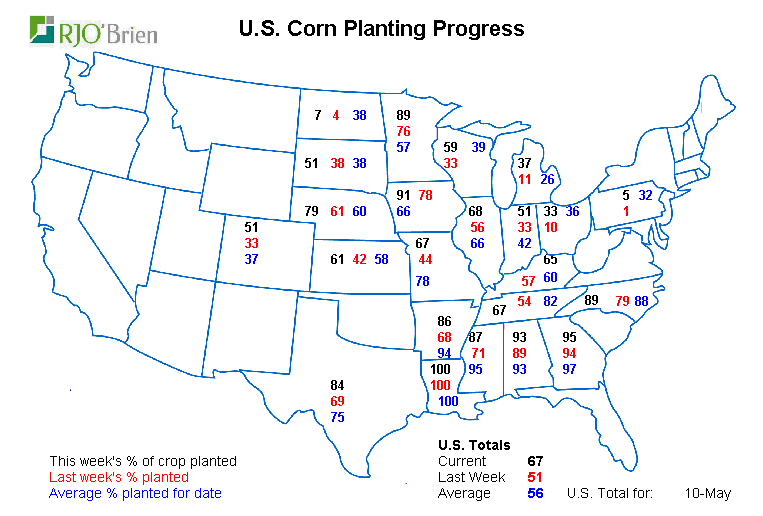
Corn planting in 2020 continued its strong pace last week as the crop is estimated to be at little less than 70% planted. This is well ahead of last year’s pace and with favorable weather outlooks for the rest of May, the crop should be 100% planted by June.

USDA Report
The May USDA Report came out on Tuesday and it’s safe to say it came of little surprise to most – the ‘19/20 US Corn Stocks were a little lower, while ‘19/20 World Corn Stocks were a bit higher.

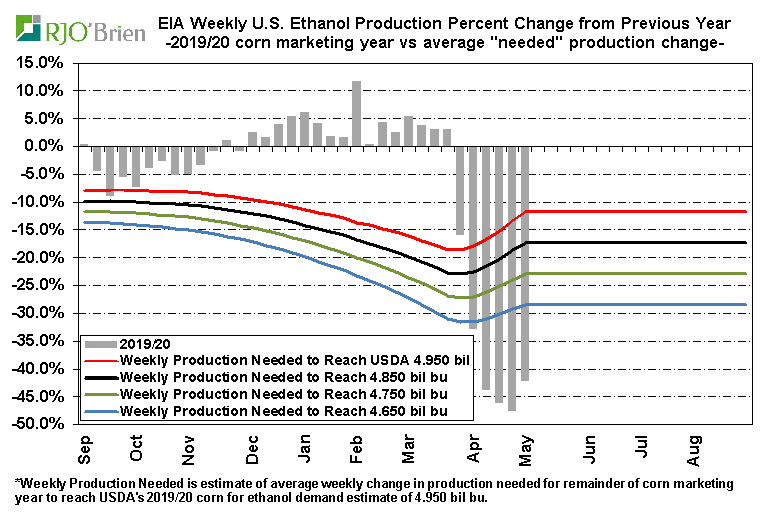
The main adjustment was made in the Ethanol Corn numbers in ‘19/20 where they cut 100 million bushels. With Ethanol production averaging 17% lower than last year’s number through August, another 100 million bushels would need to be cut to meet lower demand. Even with the country opening back up, there are still uncertainties on demands as more people are interested in a car ride over jumping into a plane. Ultimately, this report just confirmed what everyone already knew: the world is drowning in corn. With a great start to planting and estimates of a trend line yield of 176+, this problem looks to continue for corn as the year goes on.

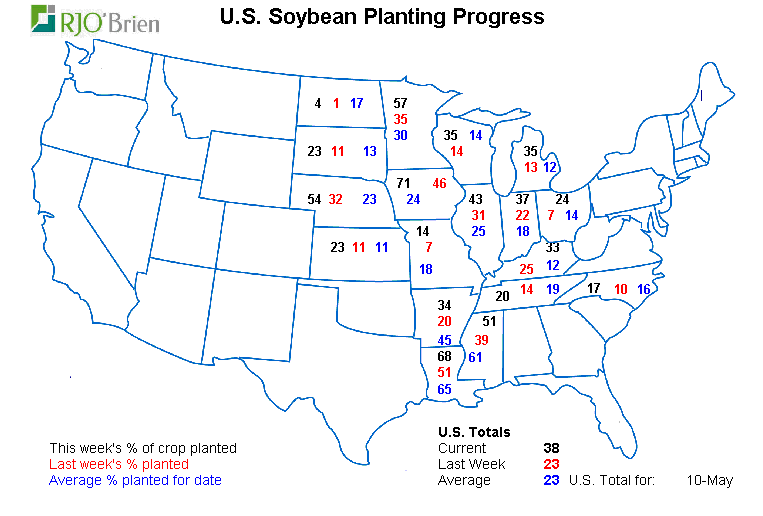
U.S. Soybean planting, like corn, continued its streak. As mentioned last week, China is well behind pace to meet the amount of ag goods purchased from the U.S. from Phase 1 of the trade agreement meaning U.S. bean prices are at the mercy of Chinese consumption. As political tensions continue to hover over the markets, prices will be dependent on U.S. and China political and/or export news. With the May USDA report being neutral to bearish, it has turned into a waiting game in the bean market as they continue to wait for buyers.

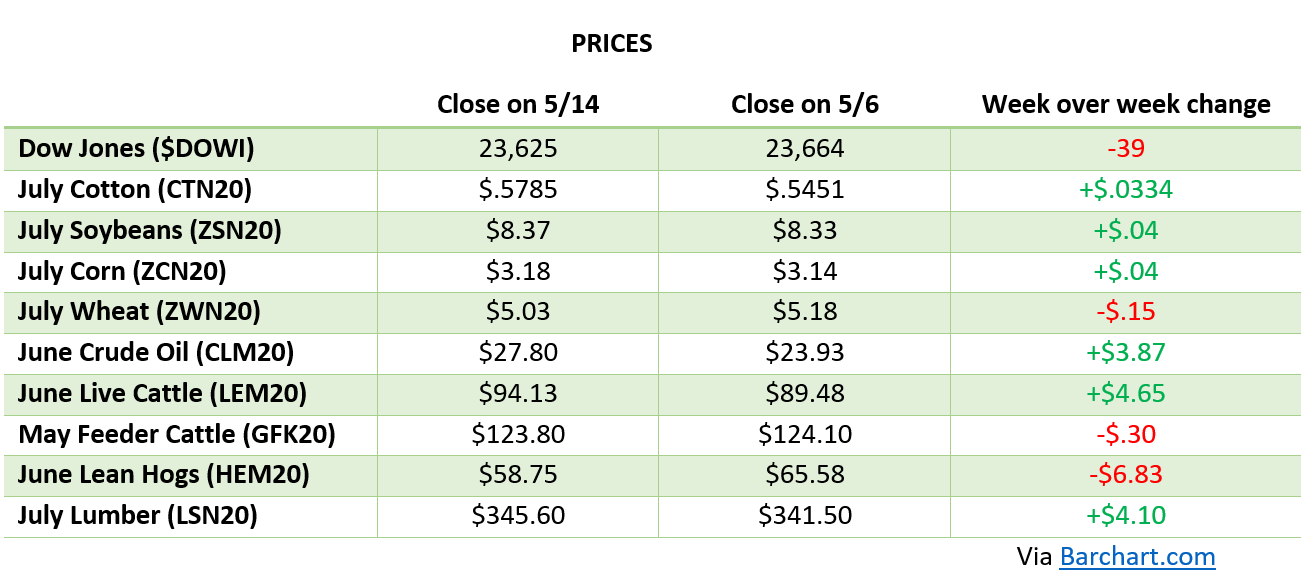
In the meats sector there is currently a disconnect between futures and cash prices; futures price is roughly $15-20 under the current cash price showing an immediate need for beef. The market is showing the packer margins are phenomenal and because of that, the packers are trying to throw the ranchers a bone by offering over the futures price, but not anywhere near the margin difference they are making. In essence, the packers are buying for relatively cheap and selling for a lot more than they usually would as supplies are tight. This is part of the reason the Trump administration is looking into the meat industry, as several large players are foreign-owned. China will not be buying any cattle from Australia due to their criticism over their handling of COVID-19, so some of that demand may be filled from the U.S. but seeing as we are struggling on our end with production, that would put another strain on the market.

Cotton looks to be experiencing a short squeeze this week on July futures. The Midsouth is behind on planting due to cool weather over the past couple of weeks; soil temps need to be above 65 degrees for planting and the mid-south has had several nights in the low 40s in May.

Cool temperatures are a little surprising this time of year, but I think we’ll get through that fairly unscathed. It’s warming up pretty fast, so it shouldn’t hurt us too badly. Dan Fromme (AgFax)

Cotton needs manufacturing around the world to ramp up as countries begin to drive demand. The USDA report this week was neutral-to-bearish and cotton has managed to hold on to most of its gains making short speculators nervous. They’ll be keeping a close eye on Thursday exports as there’s only one month remaining in the July futures contract. Buying from China, like with any other commodity right now, would be a welcome sight.

Relief Package
The House is expected to vote on another round of financial stimulus equaling out to $3 trillion. In this bill, $16.5 billion may be earmarked for direct farm payments and help for the ethanol and biofuel industry. It may also direct the USDA to reimburse any livestock producer that had to euthanize animals due to closed processing facilities (more on that here).