

Tag: wheat markets

25 Sep 2020

Ag Market Update: September 19 – 25

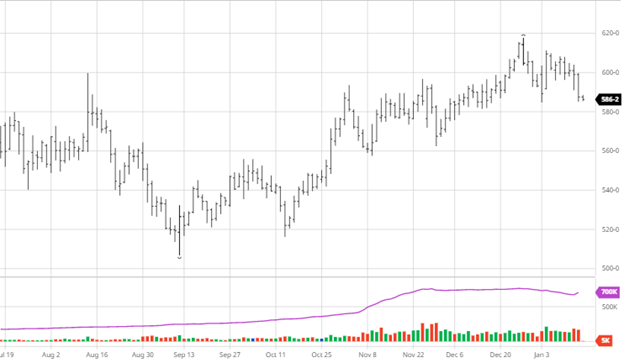
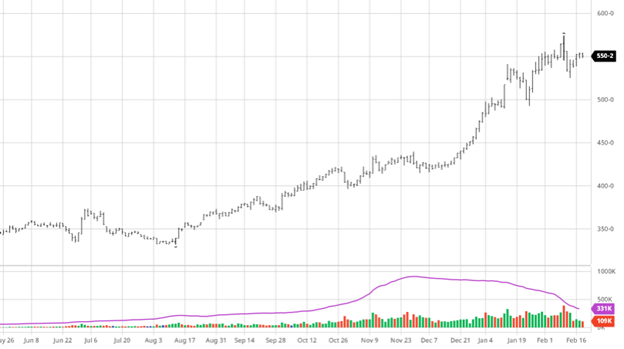
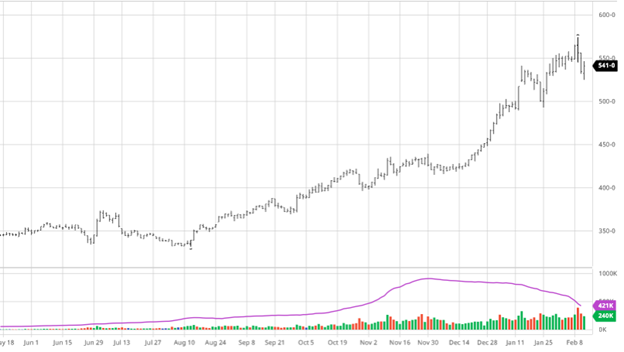
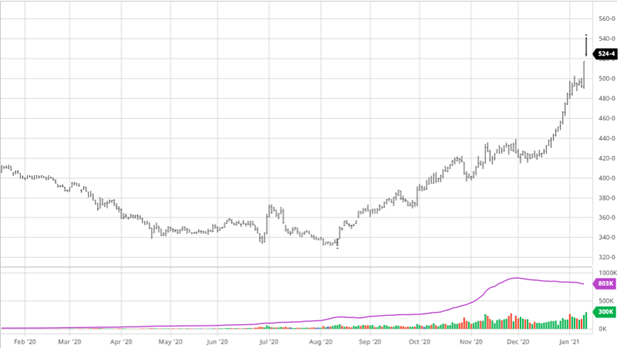
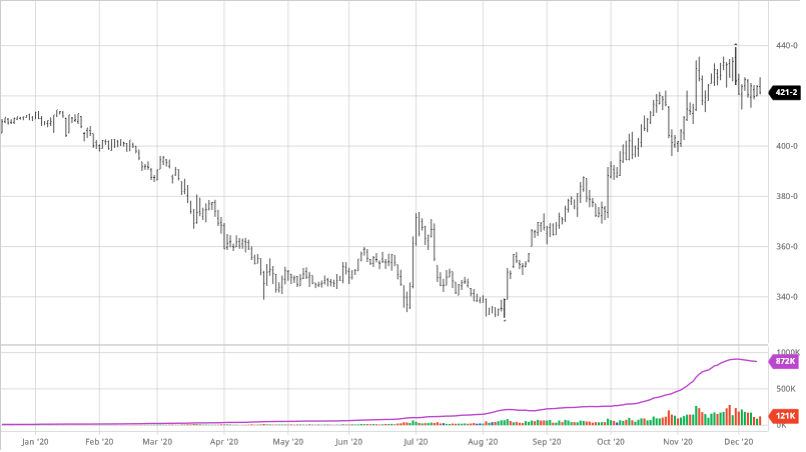
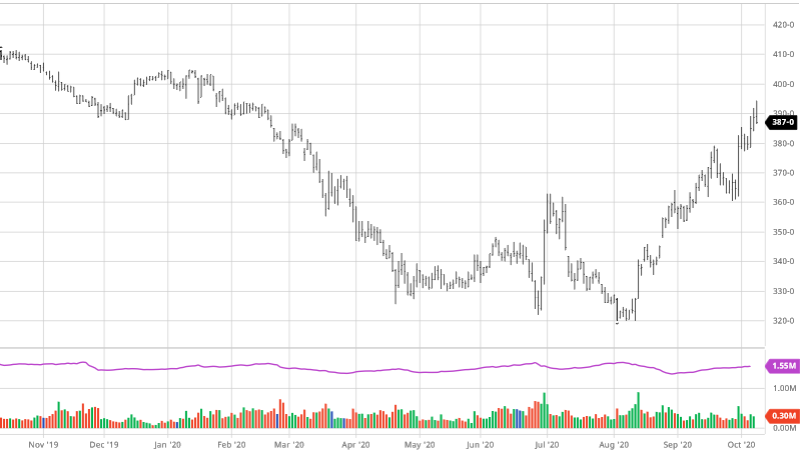
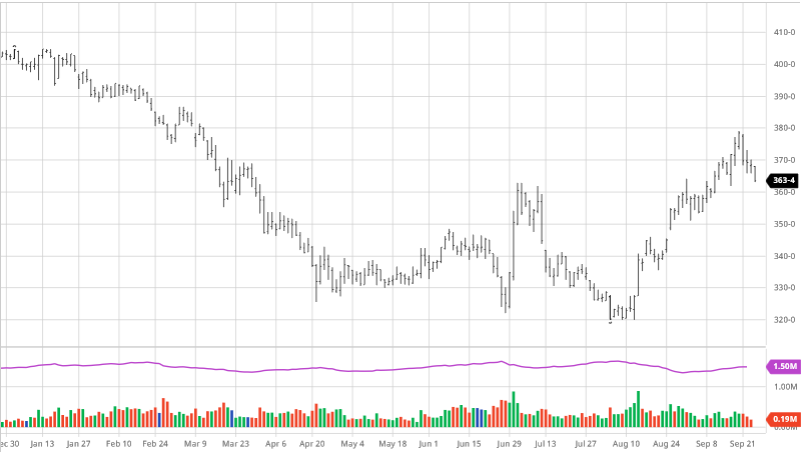
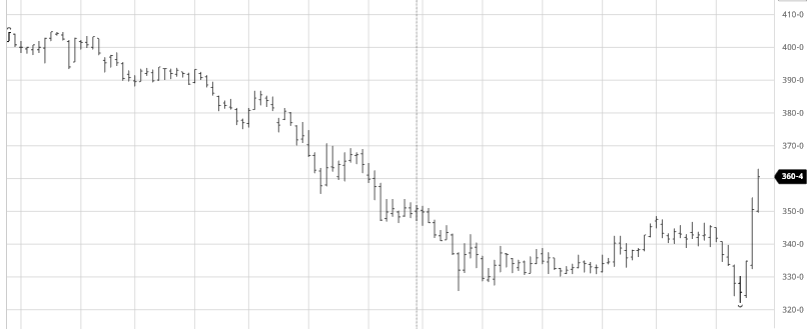
Corn was hit hard on the week as grains pulled back from their great run over the last month. As equity markets fell this week with a rise in Covid-19 in European countries, grains followed. Pullbacks this year are normal as harvest gets going. Harvest should get off to a fast start as weather in most areas looks good with no widespread rain, although it does not appear to be enough to delay harvest too much – even as cooler temperatures roll in. The lack of export news on Thursday did not help as this week’s drawback continued, and fell back to levels we saw last week. New sales heading into the weekend will give the bulls some good news, but everyone will be looking to the weekend to see how much progress is made on harvest and the yields we see. The Dec ’20 chart is below.

via Barchart.com


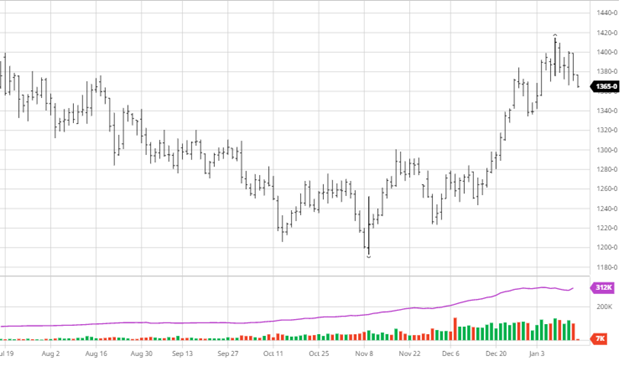
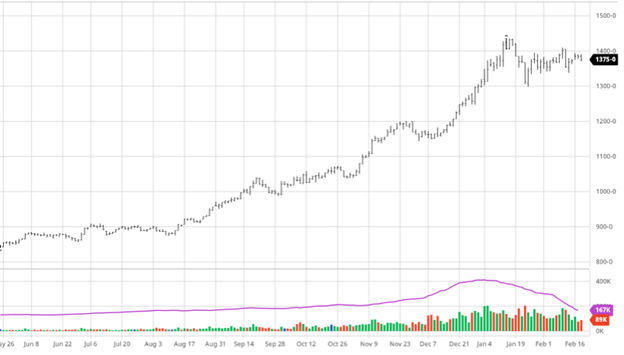
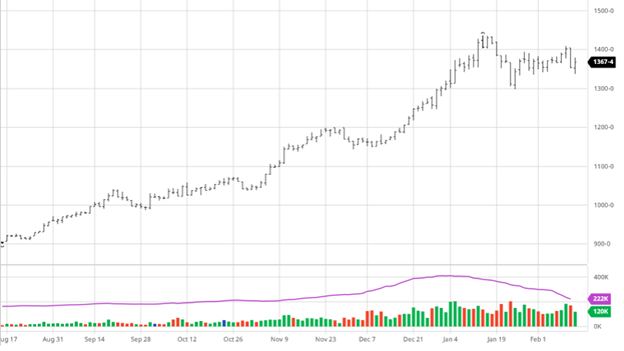
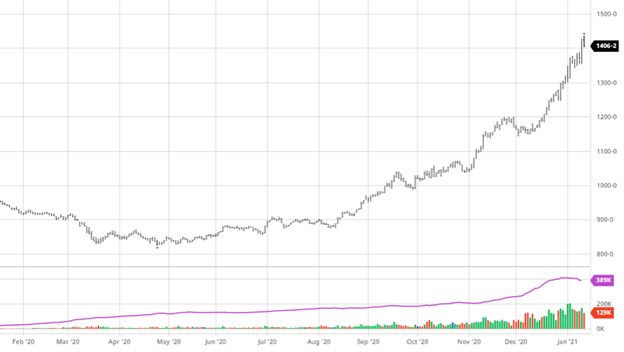
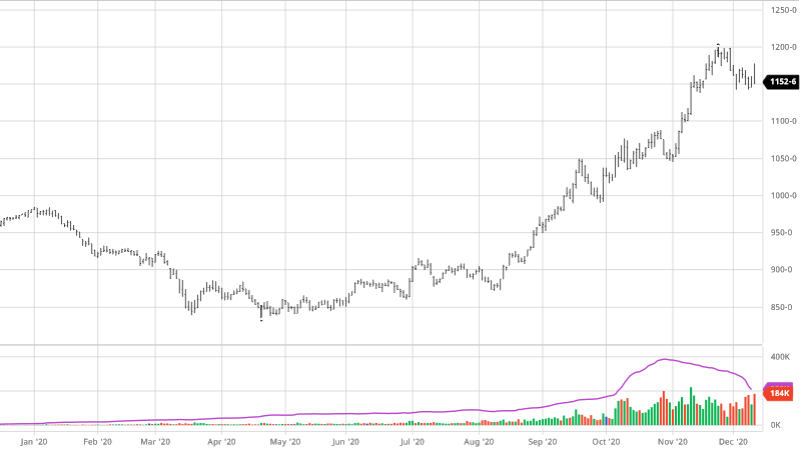
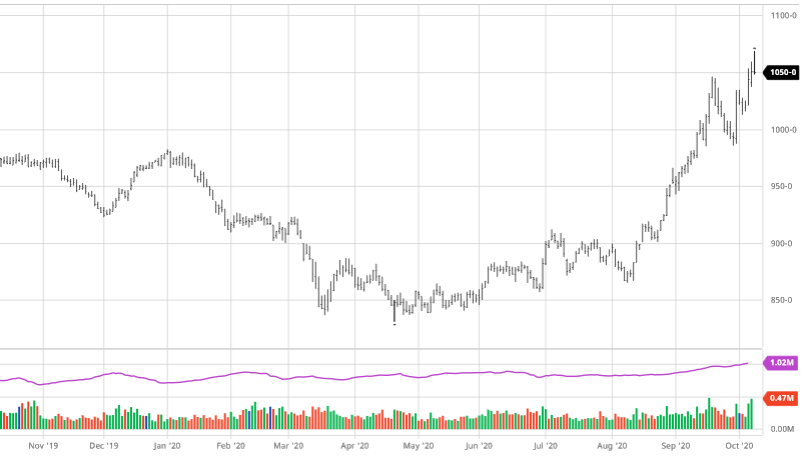
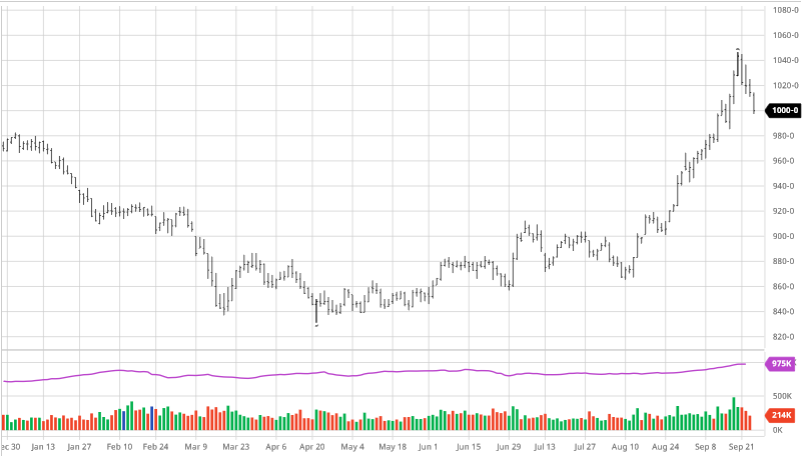
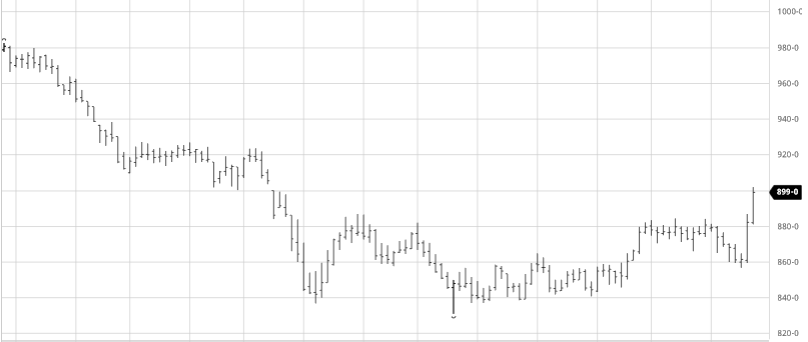
Just like corn, soybeans fell this week as a pullback on the grains hit them hard. Like mentioned above for corn, beans face pressure as harvest begins and the great weather outlook for it. The lack of any sales Thursday put more pressure on the markets, and beans felt the full weight of it as they will need continuous bullish news to keep them high after such an impressive run in the last month. Friday will be important as the bulls need purchases to continue and the bears are looking for large numbers to come out of harvest over the weekend and lower sales. China also believes they will be able to have another crop in some areas not flooded, so they may look to continue restocking their reserves with a mix of Chinese grains and imports. The Nov ’20 chart is below.

via Barchart.com


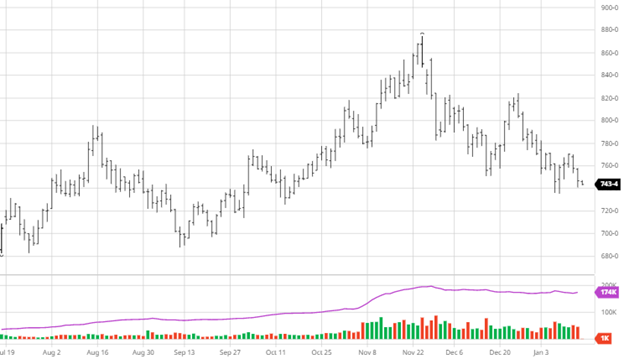
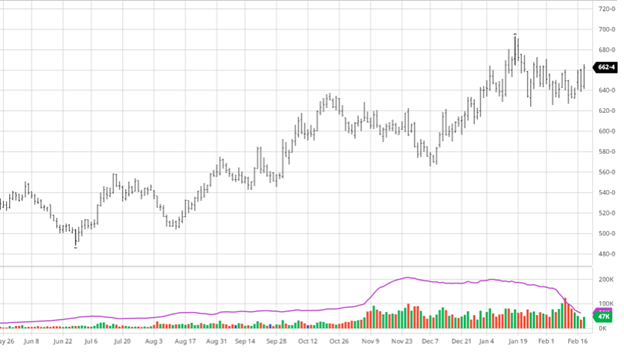
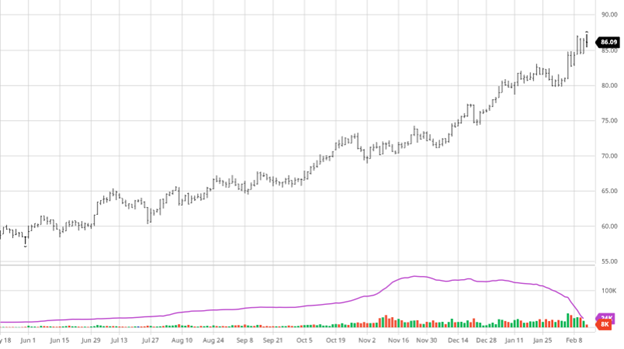
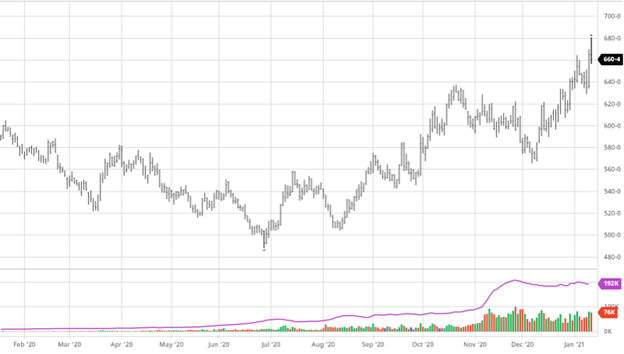
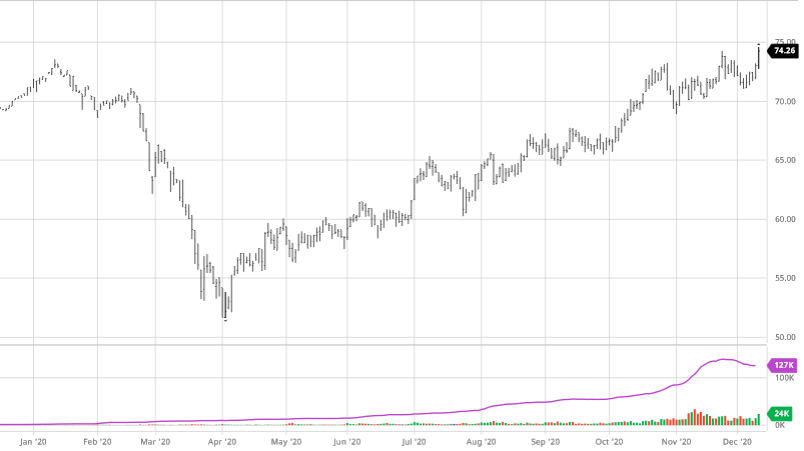
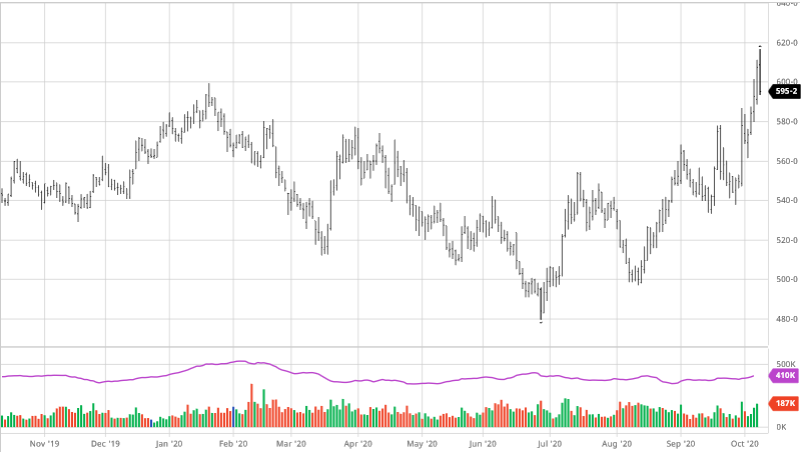
Wheat followed the lead of corn and beans this week as it sunk lower after solid gains the past month. It is still in the same area as it was trading last week so it has not seen near the pulldown that other grains have. Keep an eye on the Black Sea area for any surprises that could give them a boost or further reason to fall as export news seem tired on the market.


Dow Jones
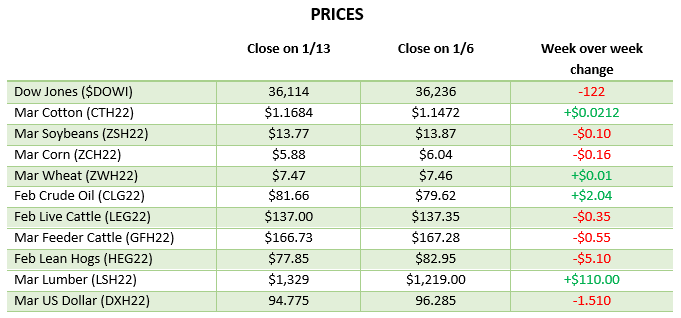
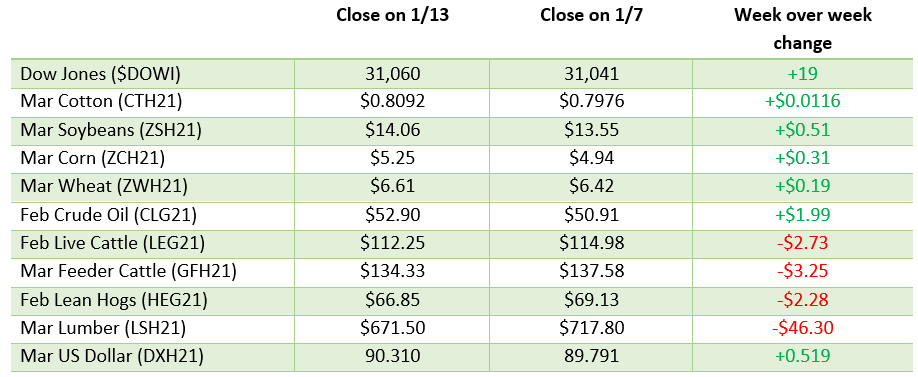
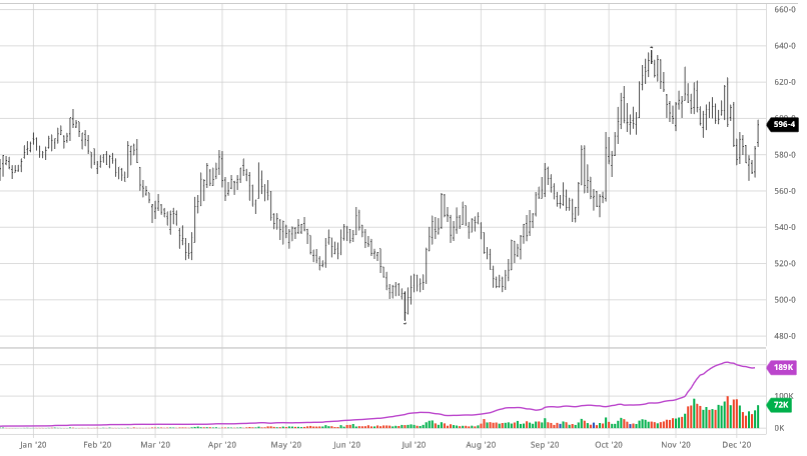
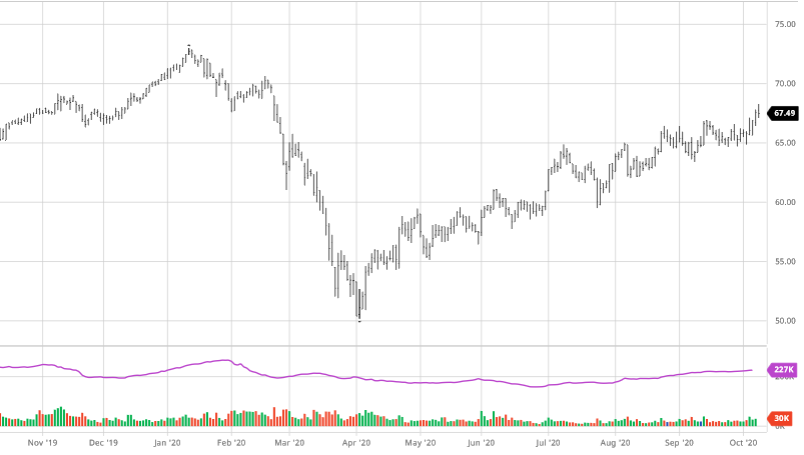
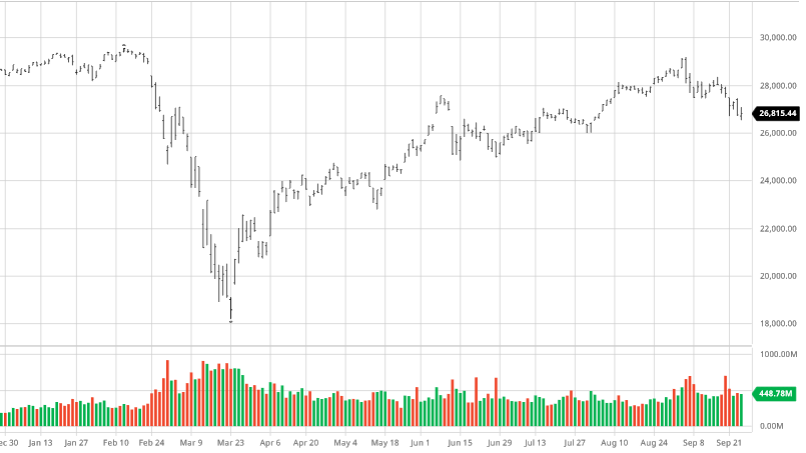
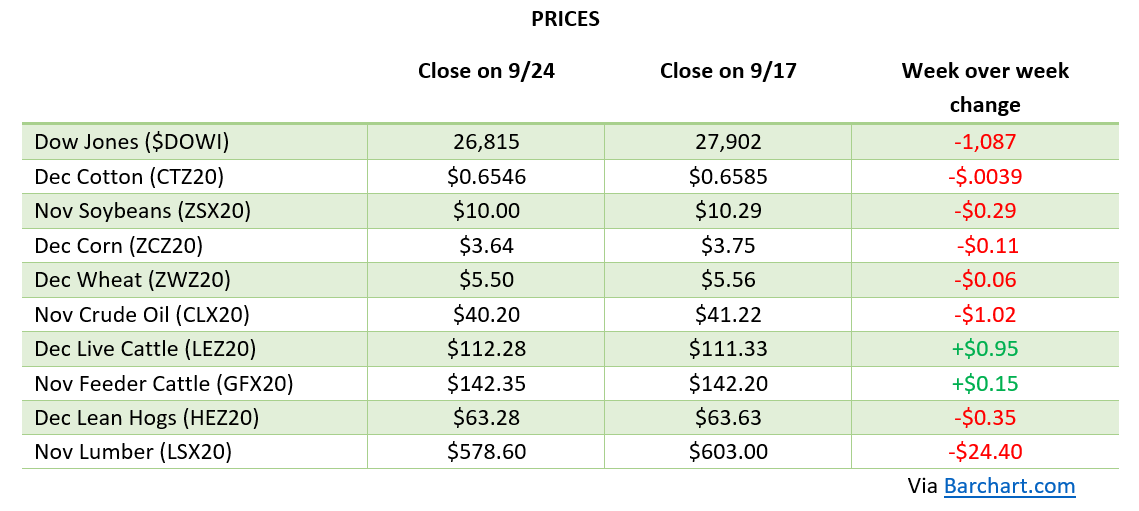
The Dow fell on the week as a market-wide pullback/correction hit hard along with Europe beginning to face Covid-19 struggles again. The tech pullback continues after its incredibly strong run since the market collapse this spring. As we know with any election year, and maybe this one the most, expect volatility in the market along with the 2020 volatility we have seen. The chart below shows the daily volatility/ranges we have seen along with the drawbacks.

via Barchart.com

17 Jul 2020

Ag Markets Update: July 11 – 17

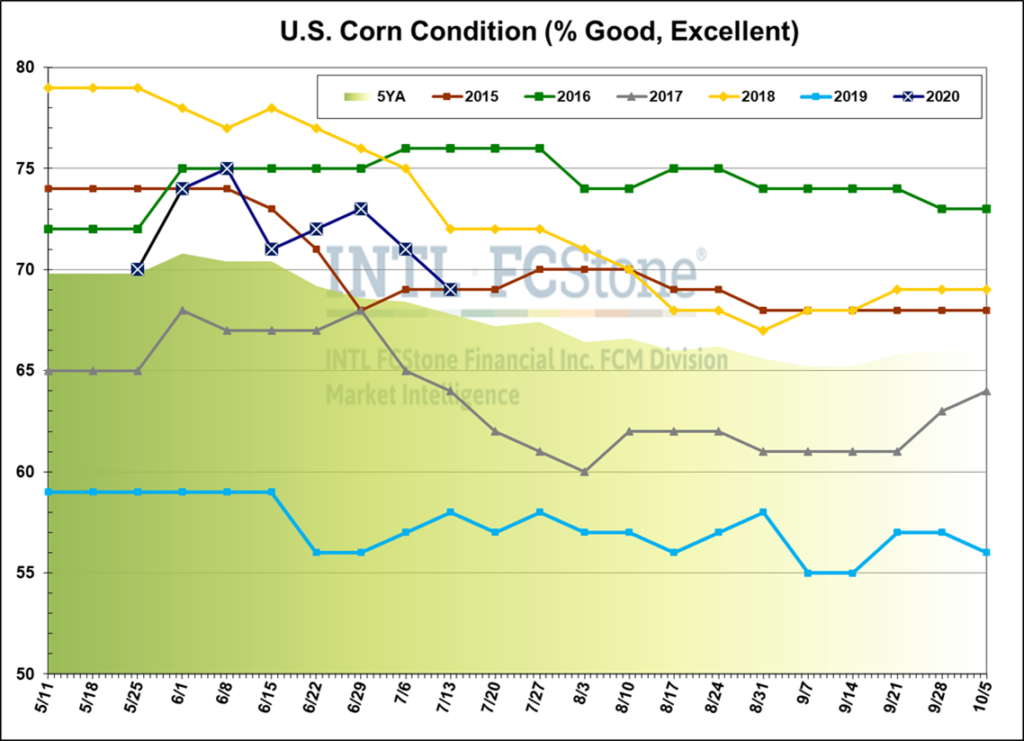
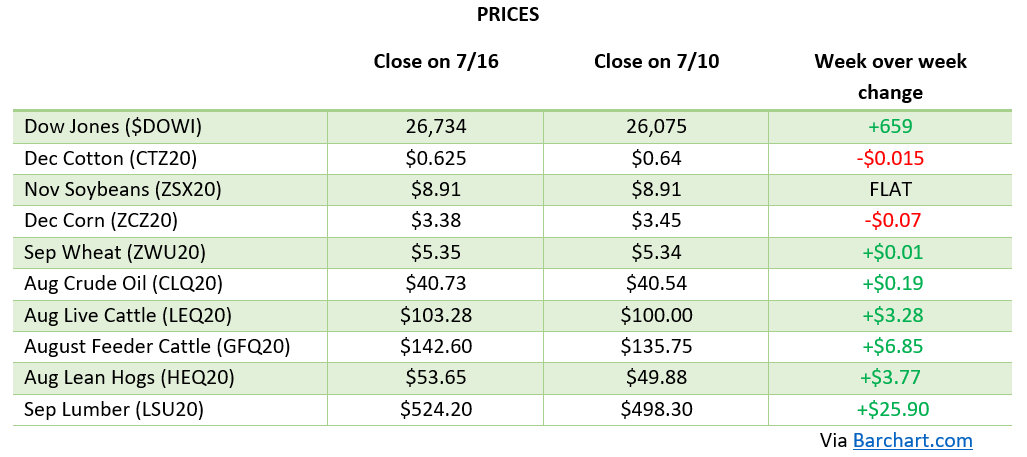
Despite one of the largest single export sales to China ever, prices for the week fell. After some welcome rains in the past week in areas that were dry, favorable outlook during pollination has the potential to help make this crop large. Ultimately, as yield potential continues to look high, big bumps in corn are looking slim unless there is a surprise in forecast changes or export sales. The crop conditions continue to look strong as you can see in the chart below. We are not near/at record conditions, but still have very strong numbers at this point in the year. A dip in condition would factor into price movement as well, but don’t don’t plan on that for a big boost towards the end of the month.


Soybeans had a flat week price-wise as steady sales continued to China and forecasts didn’t change too drastically. We started out the week with some prices drops, but a solid midweek bounce helped get back to flat as we head into the weekend. Look for any big forecast changes or unexpected purchases to be the only thing to move bean prices in the near future. As world demand has seen an uptick, the U.S. may find more buyers as South America has been so busy selling up to this point, they may have trouble fulfilling any additional large exports.


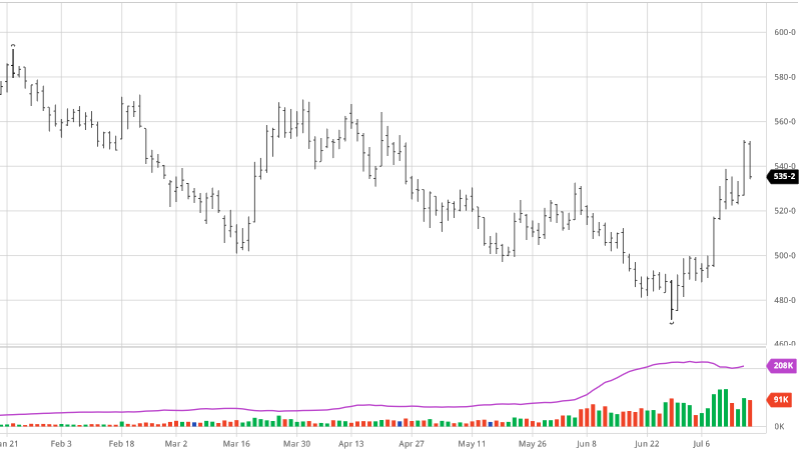
Large purchases from China gave Wheat a big boost halfway into the week. Wheat did have to give a good chunk of that boost back the following day due to a lack of confirmation on purchases, but any Chinese purchases at this point are beneficial to the markets as other Wheat growing countries are seeing lower yield numbers. As you can see below, markets are well off the lows that we set a few weeks back as Wheat has made a solid rebound. Just like with Soybeans, more confirmed purchases, or any purchases for that matter, would be beneficial to U.S. Wheat.


Dow Jones
The Dow saw positive numbers overall for the week with a few days of solid gains and small losses. Americans continue to keep their eyes on places that are reopening and spikes in major metropolitan areas. Retail spending was up +7.5% last month, but some experts think we may see that shrink as some states have rolled back their opening phases where cases have spiked. President Trump wants schools to open this fall as he sees that as a way to get more people back to work, so the rolling out of back-to-school plans be an important factor on the economy heading into election times.

10 Jul 2020

Ag Markets Update: July 4 – 10


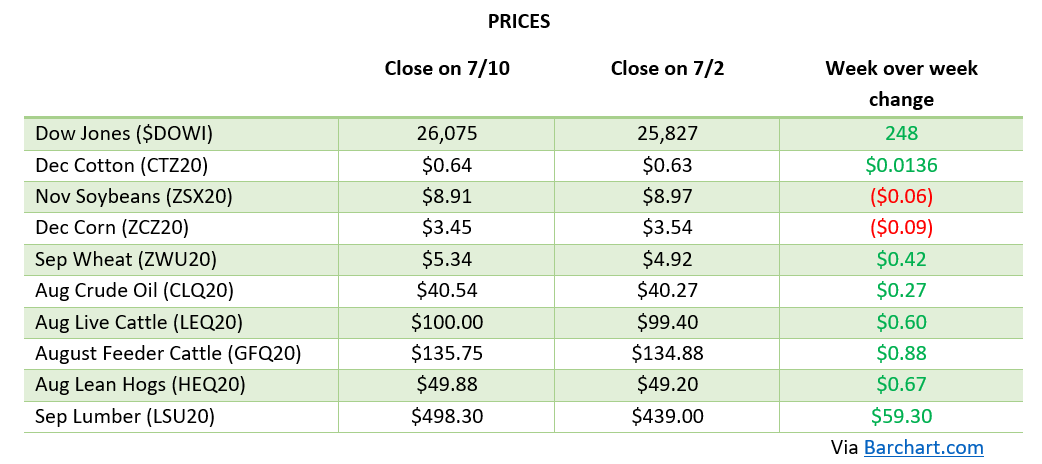
Corn had a choppy week only to end $0.09 lower after last week’s shockingly bullish USDA report. The main price mover this week was the uncertainty in the weather outlook. The weather post July 15th has been in limbo of hot and dry or cooler with some rain. Hot and dry would hurt the crop for the long run lowering yield, which is when we saw the prices rise on certain days. The post July 15th to August 1st period is very important to keep an eye on moving forward as the weather will be the key mover and the August 10th USDA report is worth keeping an eye on. The eastern corn belt looks to have extreme heat and dryness over the next week after a round of rain earlier this week…but let’s be honest, the weather man is only right 10% of the time = changes to the forecast are expected and prices will react.

“Supply side for corn ad beans adjusted due to the changes in planted area, so nothing too exciting there. But corn demand got cut quite a bit. Even so, the ending stocks are below trade expectations,” Scoville says (agriculture.com)


Soybeans had a similar week to corn with some up and down price movement after the rally last week. The hotter and drier outlook in parts of the Midwest will have an adverse effect on the crop like it will for corn. The lack of sales to China is are still holding back the market as Phase 1 continues to trail behind trade goals. Like corn, keep an eye on weather moving forward but as mentioned before. And big purchases from China would be a promising sign, but it doesn’t seem like that’s bound to happen any time soon:

Meanwhile, trade relations between the U.S. and China remain relatively frosty. President Donald Trump noted earlier today that relations are “severely damaged” after each has accused the other of mishandling the coronavirus pandemic. Trump indicated a planned phase-two trade agreement is still on the table but is not a priority right now. (farmprogress.com)


Wheat got a boost this week (+$0.42) as Russia and Europe’s wheat crops look to come in well below pre-harvest estimates. Low harvest numbers from the rest of the world is bullish for U.S. wheat prices as our growing season continues. This boost is very welcome following the last few months of declining prices. The markets will keep an eye on Russia and Europe as they progress through harvest.


Via Barchart


Dow Jones
The Dow continues to move on any news related to COVID-19. A lot of uncertainty hangs over the U.S. and the markets as spikes in cases continues around the country. An important thing to keep an eye on for the markets will be what schools decide to do in the fall, as going back to school is being used as a tool to also try and continue to reopen the economy.

Lumber
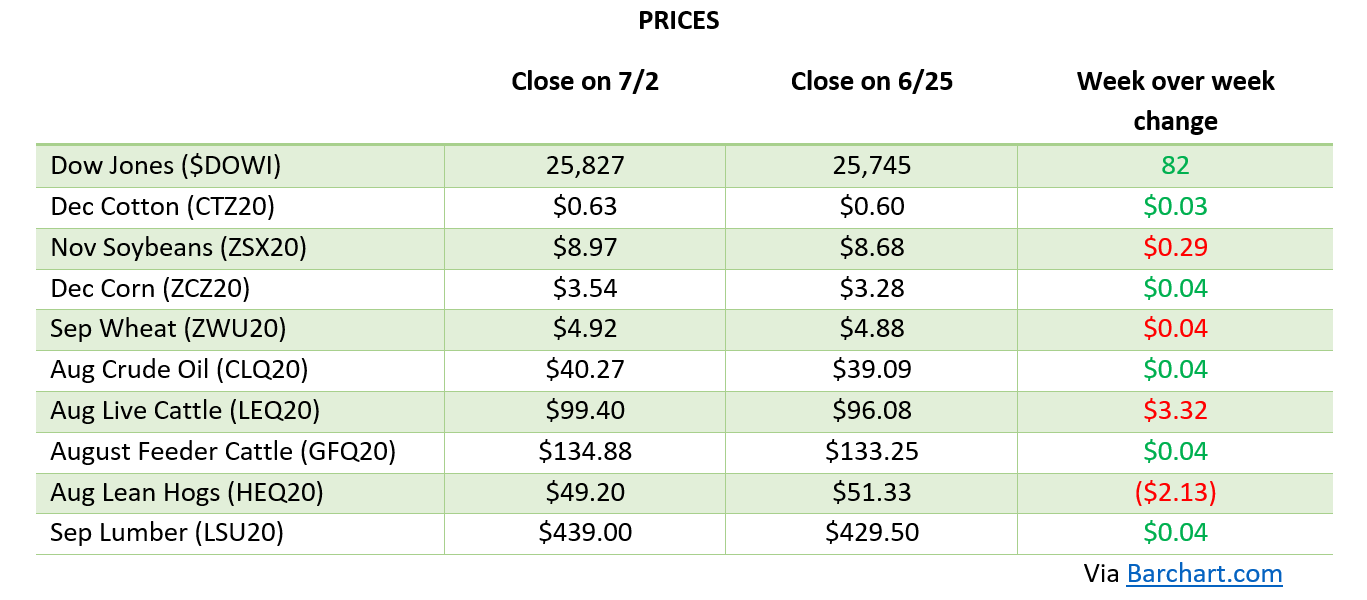
September lumber futures reached a multi-year high this week and are now up +82% from their April multi-year low. The best way to sum up the market place is by watching it print. It was up $48 – $498 since Wednesday. There isn’t enough wood to supply the needs, and mills are raising prices at will. It is a market squeeze that only ends once the pipeline is filling or prices shut down purchase order books.

02 Jul 2020

Ag Markets Update: June 27 – July 2

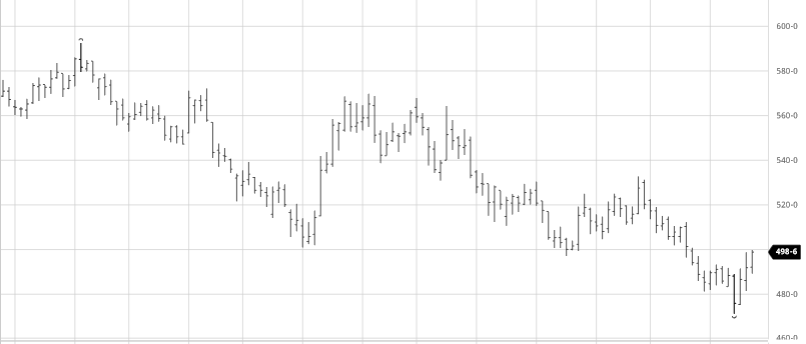
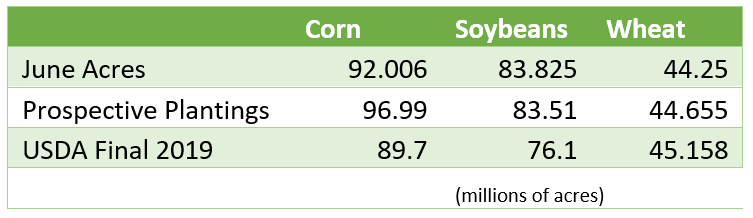
Corn finally got some positive news in the USDA report this week with planted acres coming in well below the March estimate and below the trade estimate. Planted acres came in 92.006 million which is about 5 million acres less than the estimate in March of 96.990 million. One thing of note from the USDA NASS Farm Labor survey that took place between May 30 and June 16, is that there was still 2.24 million acres of corn to be planted of the 92.006 million. This means that the acreage could still be lower if the entirety of that 2.24 million gets planted.  Even with the bullish acres news there was still some bearish news in the report when it came to the quarterly grain stocks report. Something that is also important to keep in mind that just because 92 million acres are planted does not mean there will be that many harvested. Even with a solid trend line yield north of 178, these acreage numbers should help. As always, keep an eye on exports and weather as the fundamental market movers in the short term.

Quickly touching on the weather outlook, there looks to be heat and dryness for the next couple of weeks in many areas. This will put some stress on the crop and this kind of forecast along with the USDA numbers from this week are the 2 catalyst moving corn higher.

Dec ’20 Chart

Via Barchart

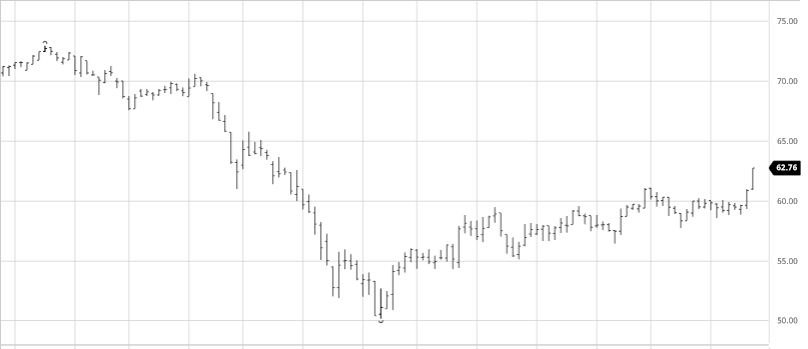
Soybeans prices, like corn, saw a big bump from the NASS report, even though there wasn’t as much obvious bullish news from the acreage report. The acres did not change much from the March estimate of 83.510 million to 83.825 million acres. The trade estimate had it higher, trading at 84.716 million, which allowed for prices to jump up along with corn. Many people think that the acres are higher as a possible landing spot for those 5 million acres of corn that disappeared. Do not be surprised if we see more acres down the road. Soybeans in the long run still need as many exports to China as we can get going forward. The trend line yield of 50 bushels per acre is still in play with the start we have had but like mentioned above for corn the heat and dryness in the upcoming weeks could impact yield.

From speaking to farmers, it seems many farmers who planted in April and got washed out switched their acres from corn to soybeans. We are not sure how widespread this, is but don’t be surprised if soybean acres is higher when all is said and done.

Nov ’20 Chart

Via Barchart

Wheat got a boost out of the report just like corn and soybeans. Wheat’s gains came mostly as a result of following corn and beans higher as the report was not as bullish for wheat. Wheat acres were down 400,000 from the March estimates. It was welcome for wheat prices as they have been on a losing streak the last month as we look towards July for some help. If corn and soybeans continue to find support and prices go up look for wheat to be a benefactor of that as well.

Sep ’20 Chart

Via Barchart


The report was bullish for cotton as well as we have seen a rally because of it. Planted acres were down over 1.5 million acres from 13.703 million to 12.185 million acres. This is also down 11 percent from 2019. Cotton prices got a boost when these numbers came out as many acres were not planted due to a wet spring or prices being too low. Knowing the acreage number now moving forward weather in the major cotton areas will be important to keep an eye on. A tropical storm or drought, depending where, could cause cotton to jump like it has from this report.

Dec ’20 Chart

Via Barchart

Miscellaneous
Planted Acreage for principle crops dropped 7.2 million acres from the March report, 5 million of which came from corn. The big question is where did these acres go? We may see a lot go to prevent plant as only 3 million acres are estimated for PP but it is possible that a lot of acres were not planted because of depressed prices as a result of loses from the trade war the past couple years and the disruptions from COVID-19 pandemic all could be factors. Click here for the acreage report.

22 May 2020

AG MARKETS UPDATE: MAY 16-22


Farmers in the Midwest are saying what we’re all thinking – “enough of the rain already!” There has been major rainfall, and even flooding, across most of the Midwest including Michigan, Illinois, and Southern Ohio over the past month, and without a drier outlook over the next week, there’s the potential for planting to be pushed back up against the “prevent plant deadline” in those states. Across the rest of the country, planting is still on a good pace and flat prices week-over-week show little news in the markets. Ethanol production ticked up last week but will need a much larger demand to use up the massive amounts in storage. With exports falling within expectations trade looks to remain calm as we head into Memorial Day weekend and the start of summer.

U.S. Soybean planting, like corn, has continued its good start in most areas except for North Dakota. Bean prices took a big hit on Thursday despite a 22-week high in sales of 1.205 MMT with 738k tonnes going to China. The possibility of increased political tensions as President Trump fired off more tweets criticizing China pulled the markets lower after a good week. Along with Australia’s wanting the WHO to investigate the origins of the coronavirus outbreak, Trump’s tweets are another thing in a long line of issues that could come between the U.S. and China’s phase 1 trade agreement.

(Food Business News)

Wheat has seen a boost this week as the Russian wheat crop yield appears similar to last year. The excess rain in parts of the US with SRW has lead to some worries about the crop and the possibility of worsening conditions. There has been a pickup in domestic demand as mills around the country are opening back up and demand ramps up. Keep an eye on Russian Wheat as another big cut to their yield would be supportive of U.S. wheat prices along with further weather problems domestically.

There’s been a lot going on in the meats sector – specifically when it comes to COVD-19 impacting American production plants.

COVID-19 has infiltrated America’s meatpacking plants causing them to slow processing speeds, or close all-together… Converting livestock into the cuts that get to your plate requires massive facilities, intensive labor, and working in tight quarters which makes it difficult, if not impossible, to control the spread of a contagious disease. Without the ability to “socially distance”, thousands of plant workers have become ill, some have died, while many others are too afraid to go to work. The repercussions of the Covid-19-related plant disruptions will impact our food system for years to come. Once the smoke clears, owners of large meat packing plants may look to create smaller, regional facilities meaning consumers can expect higher prices, and fewer choices in the coming weeks and months.

Check out more short-term and long-term repercussions in the rest of our blog here.


CFAP Relief Package
The USDA came out with more information this week about the CFAP Relief Package. The CFAP had scheduled payment of 32 cents per bushel from the original CARES Act and a CCC payment of 35 cents per bushel on the lower of 50% of last year’s production or 50% of your unpriced corn on January 15th. That works out to potentially receiving 67 cents on half of last year’s corn crop. The soybeans payment works the same with payments of 45 cents and 50 cents for a potential payment of 95 cents per bushel on 50% of last year’s bean crop. The math is not clear nor why January 15th was chosen, but those are the guidelines. Livestock is also covered in the payment and information on that from the USDA website can be found here. Sign up starts next Tuesday the 26th at your local FSA office. For more information on how to sign up, check out this video.

Via Barchart.com