
AG MARKET UPDATE: MARCH 3 – 20
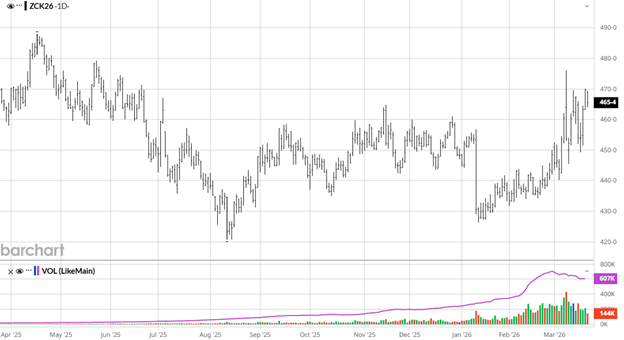
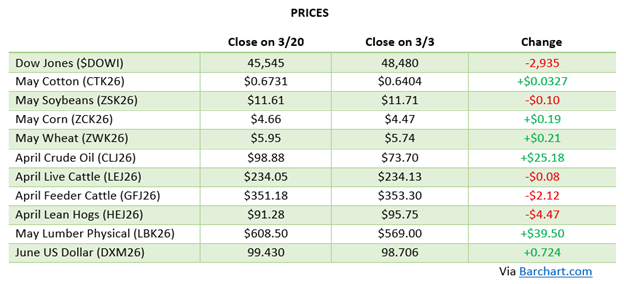
 Corn has transitioned from early-week weakness into a volatile but constructive rally, driven far more by macro forces than traditional supply-and-demand fundamentals. Since the start of the Iran conflict, rising crude oil and diesel prices have injected inflation-driven buying into the grain complex, helping corn recover from Monday’s sharp losses and push higher into the end of the week. At the same time, the market is actively weighing the real impact of elevated input costs, particularly nitrogen, which could pull U.S. planted acreage below key thresholds near 94 million acres and provide longer-term support. However, that bullish narrative is being offset by softer export demand, limited Chinese participation, and concerns that high freight costs could further hinder competitiveness. With speculative funds now holding a large and increasingly crowded long position, corn remains technically supported but vulnerable to sharp corrections, especially if energy markets stabilize or geopolitical tensions ease.
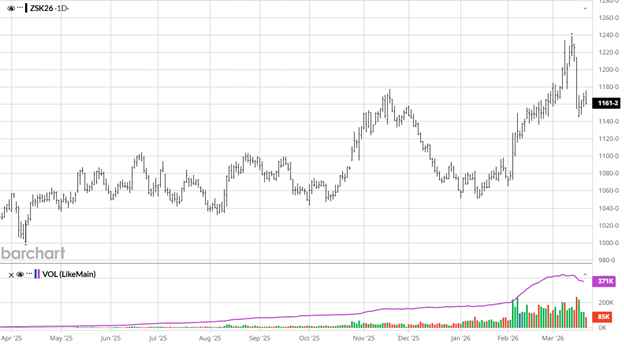
 Soybeans have been the most volatile market of the complex, starting with a dramatic limit-down selloff early in the week tied to delayed U.S.-China trade talks and fading optimism around biofuel policy, before rebounding alongside strength in crude oil and the broader commodity space. Despite the recovery, the underlying fundamentals remain more bearish relative to corn, with record South American production, ongoing harvest pressure, and expectations for increased U.S. soybean acreage (potentially 85–86+ million acres) all weighing on the outlook. The earlier optimism around Chinese demand has cooled significantly, and with funds still holding a sizable position even after liquidation, rallies may continue to be sold. While inflation-driven money flow has provided temporary support, soybeans appear to be on more fragile footing, particularly if energy markets lose momentum or if acreage shifts materialize as expected this spring.

Equity Markets
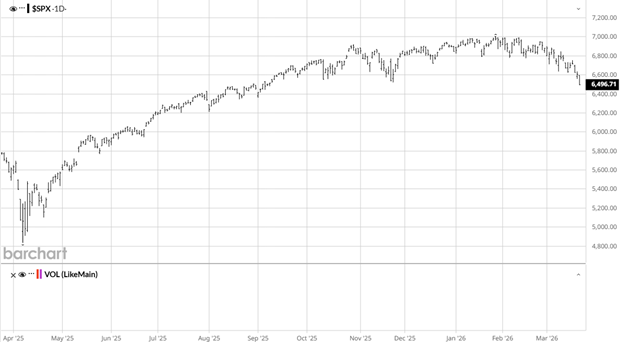
Over the past two weeks, equity markets have come under increasing pressure as investors grapple with the inflationary shock driven by surging energy prices and escalating geopolitical tensions surrounding Iran and the Strait of Hormuz. Early in the period, equities found brief support from a pullback in crude oil and optimism around global trade discussions, but that strength quickly faded as oil resumed its rally and inflation data came in hotter than expected. The Dow Jones Industrial Average has fallen sharply, shedding roughly 1,200+ points from recent highs and pushing to multi-month lows, as fears of a prolonged period of elevated fuel costs raise the risk of a global economic slowdown or recession.
Other News
- Energy markets had been volatile as the Straight of Hormuz remains closed with the war in Iran continuing.
- Inflation is heating up a little but as energy prices surge, it causes ripples across the entire supply chain.
Drought Monitor
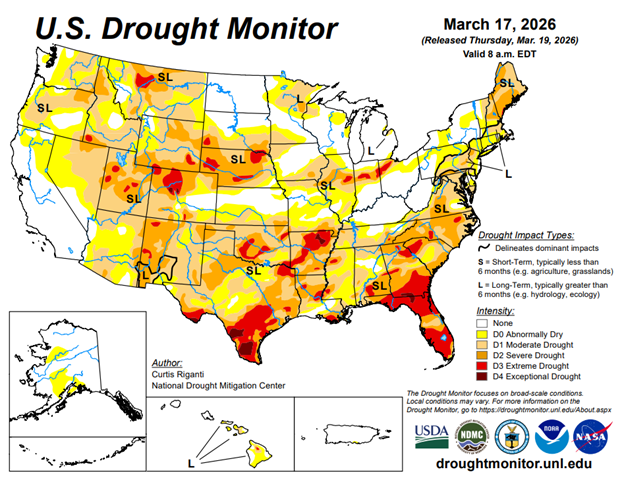
Here is the most recent drought monitor. With planting starting later this spring, we need rain in a lot of places in March.
Contact an Ag Specialist Today
Whether you’re a producer, end-user, commercial operator, RCM AG Services helps protect revenues and control costs through its suite of hedging tools and network of buyers/sellers — Contact Ag Specialist Brady Lawrence today at 312-858-4049 or blawrence@rcmam.com.